
Rupiah Strengthens to Rp 17,334 Amid Concerns Over Indonesia's Fiscal Resilience Due to Rising Global Oil Prices
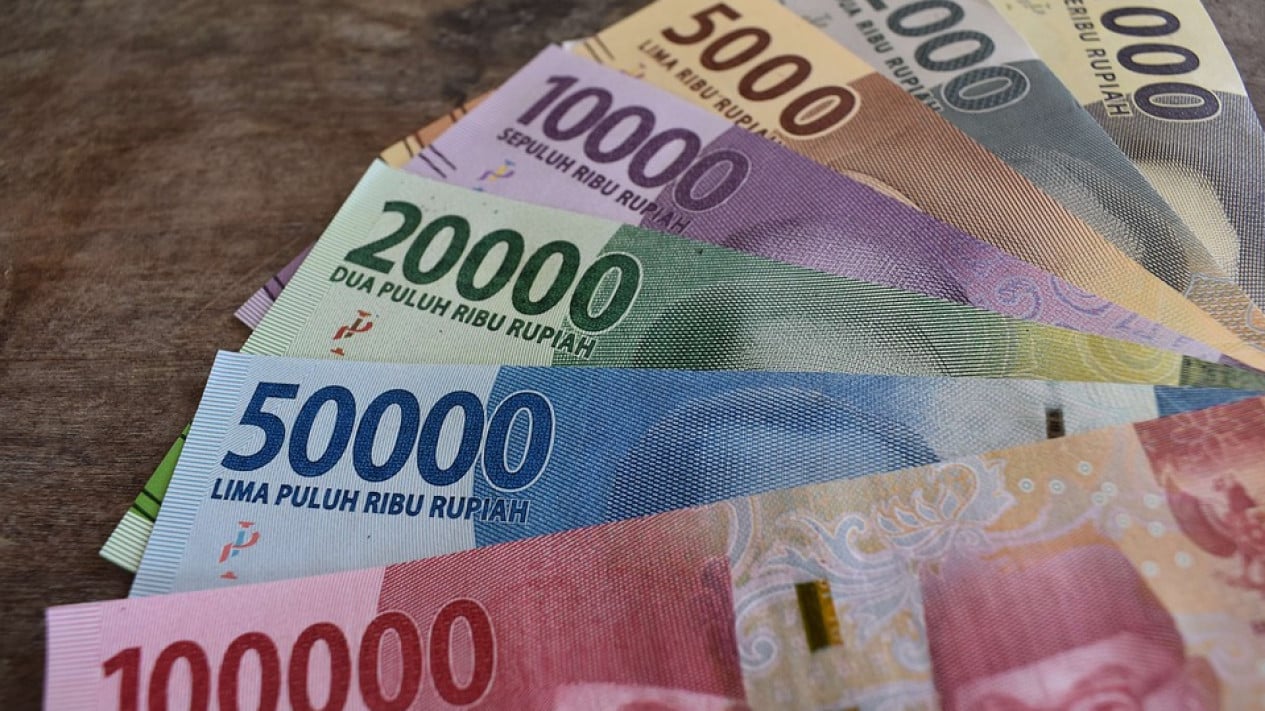
The exchange rate of the rupiah against the US dollar is predicted to remain volatile but closed weaker in trading today.
According to data from the Jakarta Interbank Spot Dollar Rate (Jisdor) from Bank Indonesia, the rupiah exchange rate against the US dollar stood at Rp 17,378 on Thursday, 30 April 2026. That position weakened by 54 points from the previous rate of Rp 17,324 in trading on Wednesday, 29 April 2026.
Meanwhile, in spot market trading on Monday, 4 May 2026 until 09:03 WIB, the rupiah was traded at Rp 17,334 per US dollar. That position strengthened by 3 points or 0.02 percent from the previous position at Rp 17,337 per US dollar.
Economic and money market observer Ibrahim Assuaibi stated that global crude oil prices continue to rise (Brent Crude Oil at US$122 per barrel and WTI Crude Oil at US$108 per barrel).
This increase raises the need for US dollars to purchase crude oil at 1.5 million barrels per day. The high oil prices are projected to add pressure to the current account balance and erode fiscal resilience. The subsidy burden due to rising oil prices is also estimated to pressure the 2026 state budget.
This is because, in the state budget assumptions, the oil price is at US$70 per barrel, while the current price has returned above US$100 per barrel and even breached US$120 per barrel. Thus, every US$1 increase in oil price per barrel has the potential to add to the subsidy and energy compensation burden worth Rp10 trillion to Rp13 trillion per year.
In addition, the impact of MSCI policy in holding back foreign fund flows is pressuring the rupiah amid a combination of global sentiment, macro pressures, and domestic dynamics. That decision opens the potential for foreign fund outflows of up to Rp15 trillion.
Furthermore, Bank Indonesia (BI) continues to carry out comprehensive interventions, namely in the foreign market through Non-Deliverable Forward (NDF), in the domestic market through the spot market and Domestic Non-Deliverable Forward (DNDF), measured purchases of government securities (SBN) in the secondary market, and maintaining the attractiveness of rupiah instruments such as Bank Indonesia Rupiah Securities (SRBI).
BI also needs to maintain communication so that the market is confident that the rupiah weakening will not be allowed to become disorderly. Raising the policy interest rate should be the last option, namely if the rupiah weakening accelerates, imported inflation starts to widen, capital outflows increase, and market instruments are no longer sufficient to withstand the pressure.