
Rupiah Strengthens Amid Global Oil Price Surge and Risks to Budget Deficit
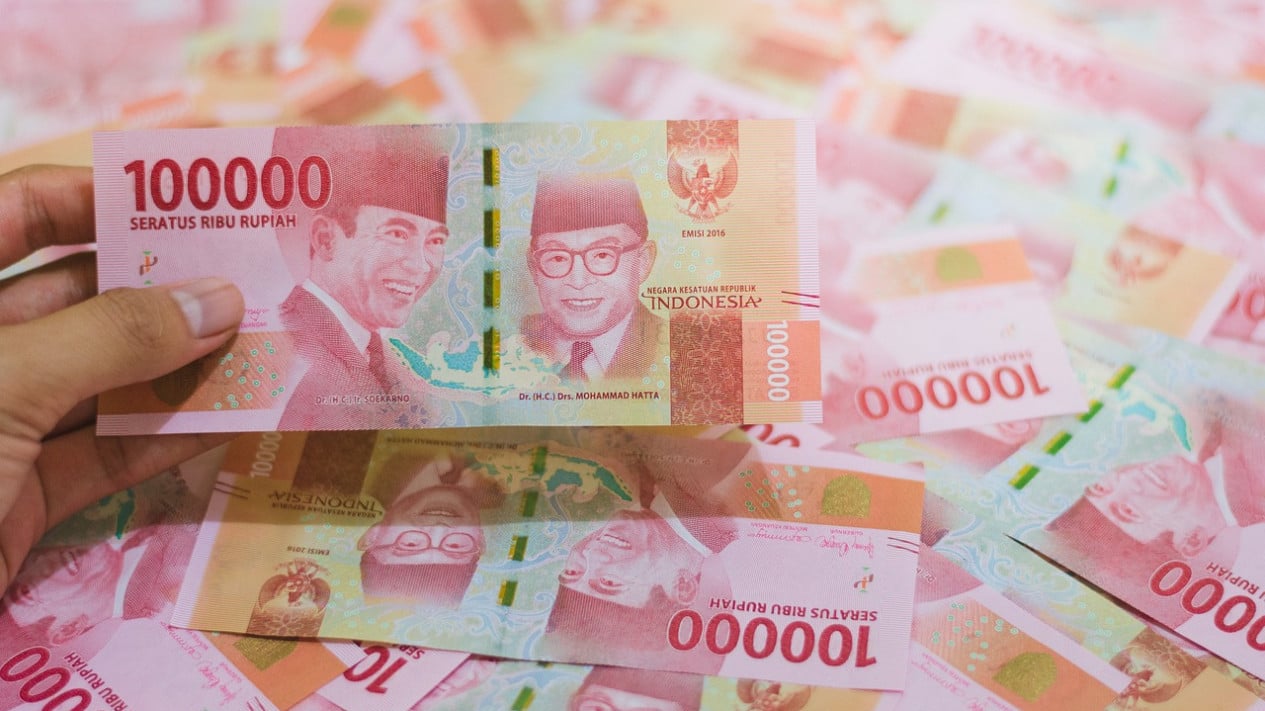
Jakarta – The Indonesian rupiah’s exchange rate against the US dollar is forecast to remain volatile, closing weaker in today’s trading.
According to Bank Indonesia’s Jakarta Interbank Spot Dollar Rate (Jisdor), the rupiah stood at Rp 16,974 per dollar on Monday, 9 March 2026, weakening by 55 points from Rp 16,919 on Friday, 6 March 2026.
In spot market trading on Tuesday, 10 March 2026 until 09:13 Western Indonesia Time, the rupiah was trading at Rp 16,887 per dollar, strengthening by 62 points or 0.37 per cent from the previous level of Rp 16,949 per dollar.
Economist and money market observer Ibrahim Assuaibi noted that global oil prices have reached $92 per barrel, the highest level since 2020. This figure far exceeds the 2026 state budget’s macroeconomic assumption of approximately $70 per barrel and will increase the deficit by Rp 6.8 trillion.
“If oil prices continue to surge towards or even surpass $100 per barrel, the impact will be catastrophic for national finances. The budget deficit to GDP ratio could balloon towards nearly 4 per cent,” Ibrahim stated in his daily research on Tuesday, 10 March 2026.
This figure is highly risky as it exceeds the 3 per cent threshold established in Law No. 17/2003 on State Finance. The disruption of the Strait of Hormuz as a chokepoint serving 20 per cent of global oil supply is the primary driver of this supply shortage.
Facing this critical situation, the government must implement three strategic measures. First, undertake significant budget efficiency by limiting spending only to items directly benefiting the public. Government expenditure should focus solely on basic needs including education, health, food, energy, and poverty alleviation.
Second, reduce oil consumption more aggressively through accelerated renewable energy conversion programmes, transitioning from oil to new and renewable energy sources. These include solar energy (PLTS) for both industry and residential use, hydroelectric power (PLTA), and wind energy (PLTB) to replace diesel power plants (PLTD).
Third, the government must intensify economic stimulus to prevent economic collapse through deregulation measures. Regulations hindering economic development should be eliminated, and bureaucratic procedures that burden businesses should be streamlined.