
Rupiah strengthens amid easing geopolitical tensions
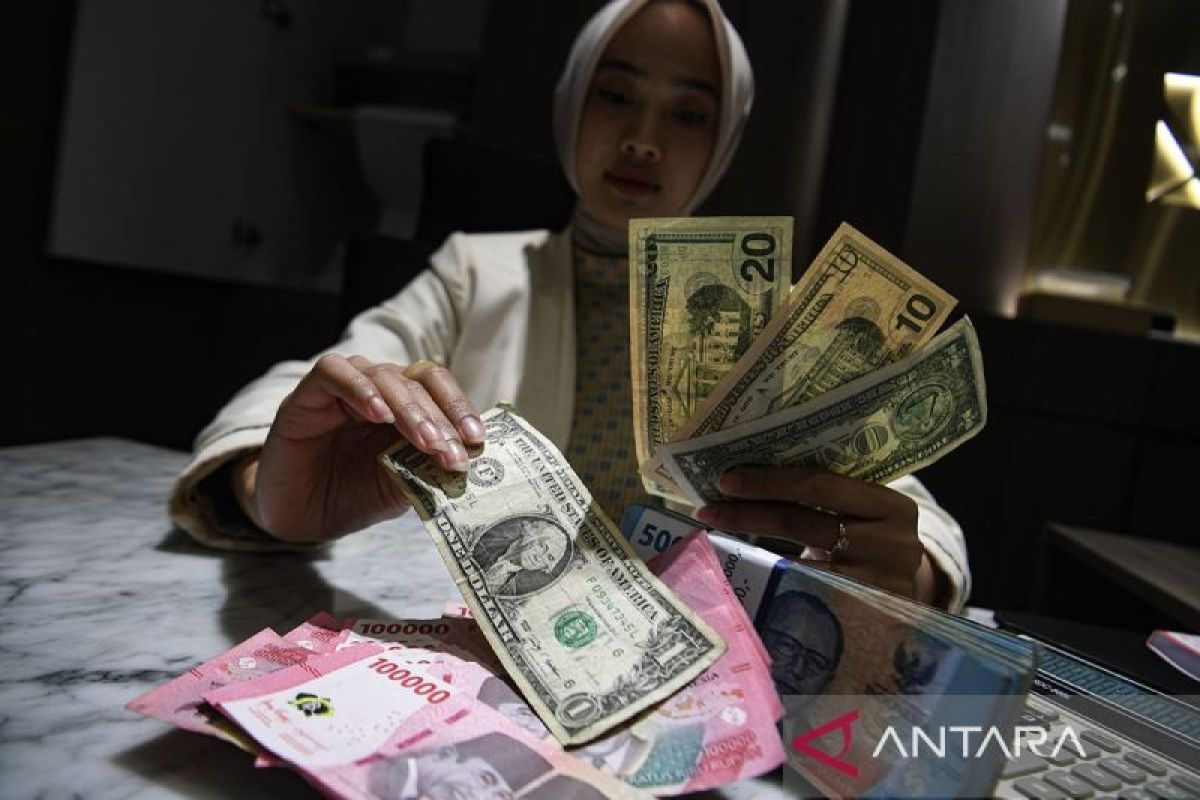
Jakarta (ANTARA) - The rupiah exchange rate closed stronger on Thursday’s trading by 4 points or 0.03 per cent to Rp17,139 per US dollar from the previous close at Rp17,143 per US dollar.
Muhammad Amru Syifa from the Research and Development of the Indonesia Commodity & Derivatives Exchange (ICDX) stated that the rupiah’s strengthening was influenced by optimism over the easing of geopolitical tensions ahead of the second round of negotiations between the US and Iran.
“From a global perspective, the rupiah’s movement is influenced by the weakening of the US dollar amid increasing optimism regarding the easing of geopolitical tensions and expectations of more accommodative policies from the Federal Reserve,” he told ANTARA in Jakarta on Thursday.
Although there is upward momentum from improving global sentiment, the room for rupiah appreciation is still relatively limited as external pressures have not fully subsided.
In line with the potential ceasefire, Sputnik reported that the US Navy has begun blockading all maritime traffic entering and exiting Iranian ports since 13 April on both sides of the Strait of Hormuz, which covers about 20 per cent of the world’s oil supply, petroleum products, and LNG.
Washington stated that non-Iranian ships remain free to cross the Strait of Hormuz as long as they do not pay tolls to Tehran. Iranian authorities have not announced the implementation of tolls in the strait but have discussed such plans.
Meanwhile, Iran’s Foreign Ministry spokesman Esmail Baghaei conveyed that the US blockade in the Strait of Hormuz could disrupt the ceasefire between Tehran and Washington.
Amru also mentioned uncertainties regarding the direction of global inflation, energy price dynamics, and investor caution as factors limiting the rupiah’s strengthening.
Looking at the domestic side, he continued, Indonesia’s economic fundamentals remain relatively stable, supported by adequate foreign exchange reserves and responsive policies from Bank Indonesia.
However, foreign capital flows that are still tending to be cautious, as well as the need for US dollar liquidity in the domestic market, are also holding back the rupiah’s strengthening in the short term.
According to him, the rupiah’s difficulty in recovering from the depreciation trend over the past few days is caused by a combination of external and domestic factors.
This occurs even though the US dollar index is at its lowest level in the past six weeks, reflecting that pressure on the domestic currency has not eased, especially due to ongoing capital outflows.
“In addition, the dominance of global sentiment and investor preference for safe-haven assets makes the rupiah’s strengthening tend to be limited and vulnerable to market direction changes,” Amru explained.
Meanwhile, the Jakarta Interbank Spot Dollar Rate (JISDOR) from Bank Indonesia today actually moved weaker to Rp17,142 per US dollar from the previous Rp17,141 per US dollar.