
Rupiah Strengthens Amid Budget Deficit Concerns and Rising Middle East Geopolitical Tensions
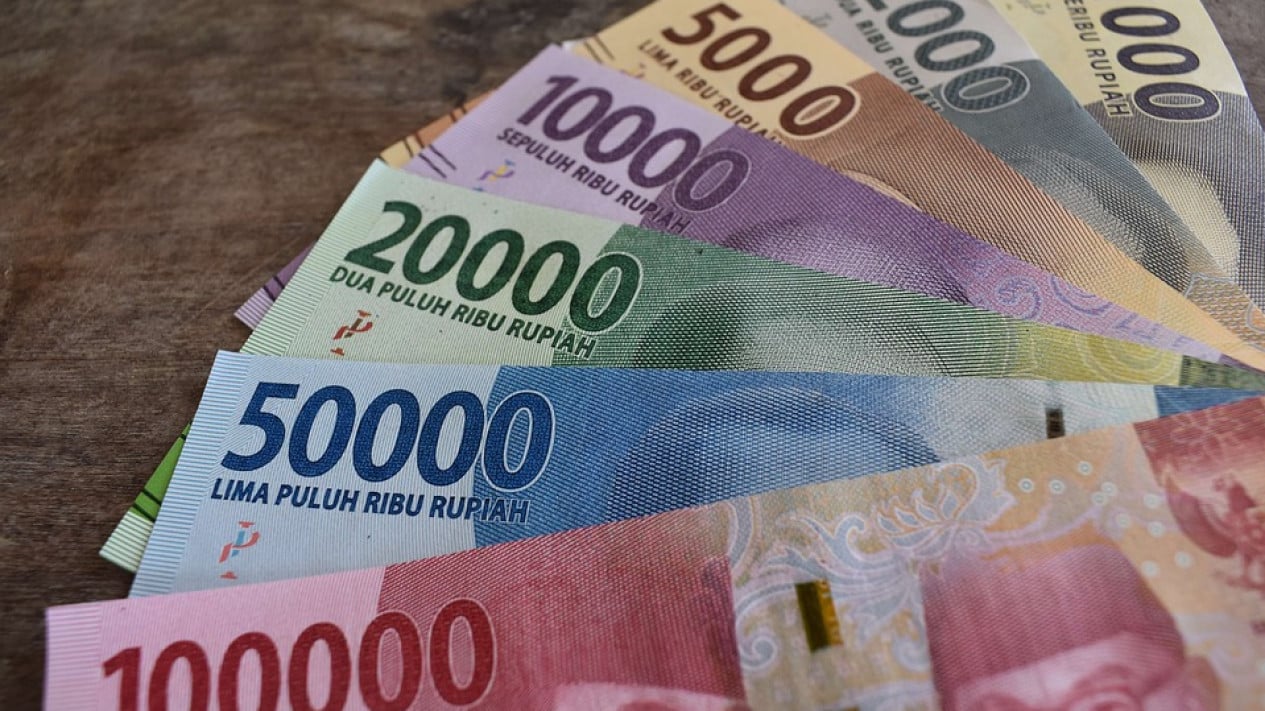
Jakarta – The exchange rate of the Indonesian rupiah against the US dollar is predicted to remain volatile, though it closed weaker during today’s trading.
Based on data from Bank Indonesia’s Jakarta Interbank Spot Dollar Rate (Jisdor), the rupiah’s exchange rate against the US dollar stood at Rp 16,990 on Monday, 16 March 2026. This represented a weakening of 56 points from the previous rate of Rp 16,934 on Friday, 13 March 2026.
Meanwhile, spot market trading on Tuesday, 17 March 2026, up to 09:12 WIB, saw the rupiah traded at Rp 16,973 per US dollar. This represented a strengthening of 24 points, or 0.14 per cent, from the previous position of Rp 16,997 per dollar.
Economist and money market observer Ibrahim Assuaibi stated that the rupiah’s weakness was caused by escalating geopolitical conflict in the Middle East between Iran and the US-Israel coalition, particularly in the Strait of Hormuz.
US marine forces are reported to be deployed towards Iran for an attack. Furthermore, the US-Israel coalition continues to conduct tit-for-tat strikes with Iran in the conflict.
“This indicates that Iran is still capable of mounting a resistance,” Ibrahim told the media on Tuesday, 17 March 2026.
Meanwhile, US President Donald Trump also offered a reward of US$10 million to anyone who could provide information about the location of Iran’s new leader.
Trump’s action has ultimately intensified the already heated situation in the Middle East significantly.
“The rupiah currency fluctuated but closed weaker in the range of Rp 16,990-Rp 17,050,” he said.
Notably, from the domestic perspective, Ibrahim observed that concerns over budget deficit have added pressure on the rupiah.
During today’s trading, the rupiah’s movement will be influenced by the results of Bank Indonesia’s Board of Governors meeting and sentiment regarding The Fed’s interest rate expectations. The Federal Reserve is scheduled to convene next week to discuss interest rate policy.