
Rupiah Slumps Sharply, Do National Subsidised Fertiliser Prices Also Rise?
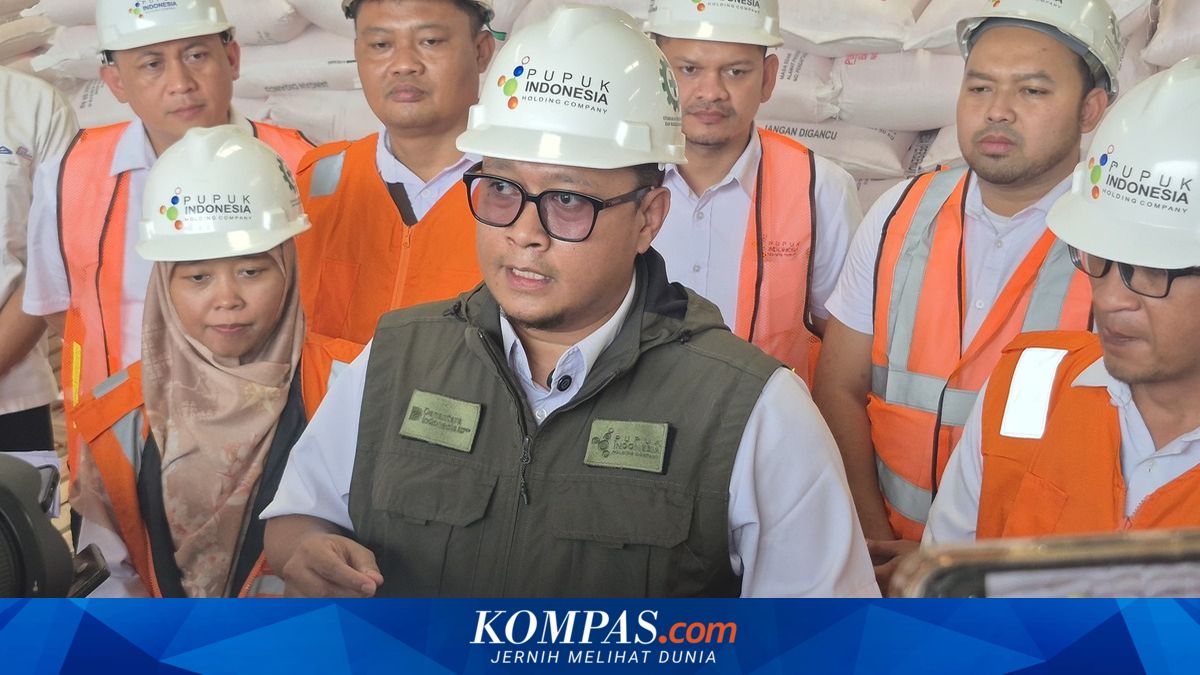
JAKARTA — The depreciation of the rupiah, which briefly breached the psychological level of Rp 17,600 per US dollar, has raised concerns about higher production costs for national fertilisers, as some raw materials remain import-dependent. However, PT Pupuk Indonesia (Persero) assures that subsidised fertiliser prices for farmers will remain stable and will not rise amid the exchange-rate pressure.
Sekretaris Perusahaan PT Pupuk Indonesia (Persero), Yehezkiel Adiperwira, said the company’s main focus currently is to ensure that farmers receiving subsidised fertiliser are not affected by the rupiah’s depreciation. He noted that the price of subsidised fertilisers for farmers continues to refer to the Harga Eceran Tertinggi (HET) set by the government. In fact, the HET for subsidised fertilisers had previously been reduced by 20 percent.
“Memang fokus kami yaitu memastikan bahwa petani di Indonesia, terutama petani (yang mendapat pupuk) subsidi itu tidak terdampak atas pelemahan nilai tukar ini. Karena harga (pupuk) subsidi sudah ditetapkan dalam HET, HET yang kemarin tahun kemarin sudah diturunkan menjadi sebesar 20 persen,” Yehezkiel said at a press conference in Jakarta Pusat, on Wednesday (20 May 2026).
The reduction in the subsidised HET is recorded in the Agricultural Minister’s Decree No. 1117/Kpts./SR.310/M/10/2025 concerning amendments to the Agricultural Minister’s Decree No. 800/KPTS./SR.310/M/09/2025 regarding types, highest retail prices, and allocations of subsidised fertilisers for the agricultural sector in the 2025 budget year.
Details of subsidised fertiliser prices are as follows: urea price fell from Rp 2,250 to Rp 1,800 per kilogram. NPK price from Rp 2,300 to Rp 1,840 per kilogram. NPK Kakao price from Rp 3,300 to Rp 2,640 per kilogram.
ZA fertiliser for sugarcane from Rp 1,700 to Rp 1,360 per kilogram. Organic fertiliser from Rp 800 to Rp 640 per kilogram.
Therefore, Pupuk Indonesia is encouraging farmers who have allocations and meet the requirements to immediately redeem subsidised fertiliser.
Against the rupiah’s pressure, Yehezkiel said the company is prioritising internal efficiency within the holding rather than raising prices due to the high cost of imported raw materials.
“Fokus pertama kami melakukan efisiensi di internal holding,” he said.