
Rupiah Poised to Weaken to Rp 17,050 per US Dollar, Amid Middle East Geopolitical Tensions
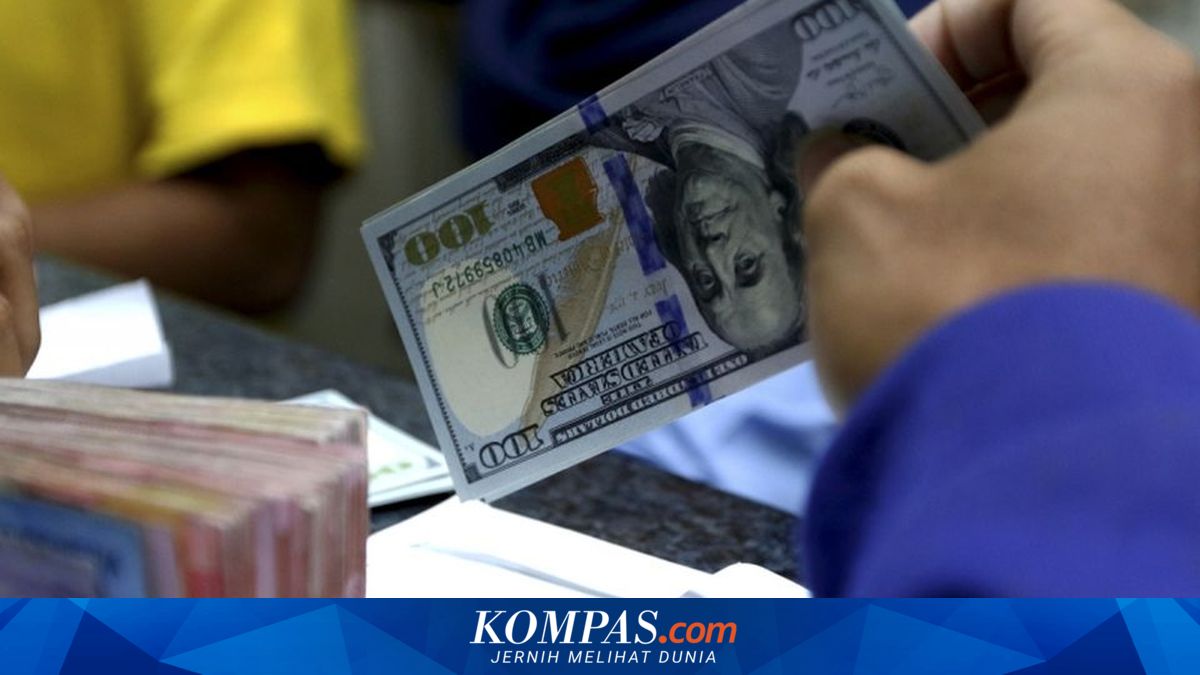
Jakarta – The Indonesian rupiah is projected to continue weakening during Tuesday’s trading (17 March 2026). The currency is expected to trade within the range of Rp 16,990 to Rp 17,050 per US dollar.
Money and commodities market analyst Ibrahim Assuaibi stated that the rupiah’s weakness is being driven by intensifying geopolitical tensions in the Middle East, particularly around the Strait of Hormuz, a strategic global oil trade route.
“For Tuesday’s trading, the rupiah is expected to potentially weaken further within the range of Rp 16,990 to Rp 17,050 per US dollar,” Ibrahim told reporters on Monday (16 March 2026).
During Monday’s trading, the rupiah weakened by 40 points, or 0.24 per cent, to Rp 16,998 per US dollar on the spot market, approaching the psychological threshold of Rp 17,000 per dollar.
Geopolitical tensions have escalated following reports that American forces are moving closer to the Strait of Hormuz. Additionally, ongoing tit-for-tat attacks between Iran and Israel indicate that the conflict in the region could potentially continue.
The warming geopolitical situation is also driving up global energy prices. Several regions serving as US military bases in the Middle East, such as Iraq and the United Arab Emirates, have also reportedly come under attack.
Ibrahim estimates that crude oil prices could potentially rise to USD 130 per barrel if geopolitical tensions persist.
“Although we see the IEA releasing approximately 400 million barrels and Russia adding to supply, this is not sufficient to suppress prices. There remains a possibility that oil could rise to USD 130 per barrel,” he explained.
The surge in energy prices is triggering concerns about a spike in global inflation. Markets are also awaiting the US Federal Reserve’s meeting next week, which will determine the direction of interest rate policy.
He believes the spike in oil prices has the potential to increase inflationary pressure, thereby creating an opportunity for the Federal Reserve to maintain or even raise interest rates.
Several economists believe that budget deficits need to be kept at around 3 per cent, whilst the government continues to pursue various priority programmes that require additional state spending, including the Free Nutritious Meals (MBG) programme.
The debate over the direction of fiscal policy is also considered to be affecting investor perception of Indonesia’s economic stability, which ultimately impacts the movement of the rupiah exchange rate.