
Rupiah Plummets to Rp17,500/US$, Here's the Impact on Property Developers
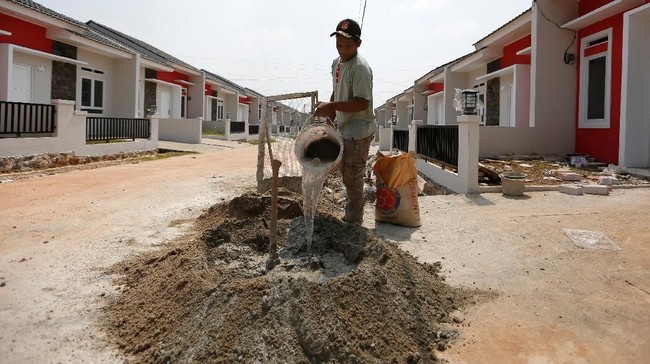
The rupiah’s weakening to Rp17,500 per US dollar has sparked new concerns for the national property sector, with one key focus being the potential pressure from foreign currency (valas) debt.
However, Farazia Basarah, Country Head and Head of Industrial & Logistics at JLL Indonesia, assesses that the majority of property developers in Indonesia do not rely on US dollar loans for project construction.
“So, for developers investing and building properties, they typically borrow in IDR, not in foreign currency, even if the investment comes from abroad,” Farazia said at the Indonesia Stock Exchange (BEI) building on Tuesday (12/5/2026).
This pattern is widely adopted by foreign investors entering Indonesia, including overseas logistics property companies. Project construction funding continues to be sourced from rupiah loans provided by domestic banks.
“For example, there’s a logistics developer from Hong Kong that comes to Indonesia and asks about the interest rate for construction loans in IDR. That’s usually around 8 to 10%, depending on the company’s rating,” she explained.
In addition to loan interest rates, investors typically consider the project financing ratio or loan-to-value (LTV) before taking out construction credit. Although using rupiah, exchange rate pressures are still expected to impact the property business, especially for foreign investors who must convert investment profits back to US dollars.
“The aspect that might be impacted is the return on investment. Because they have to convert back to US dollars,” Farazia stated.
Farazia emphasised that the rupiah’s depreciation will indeed increase costs for foreign investors. However, from the project financing perspective, the national property sector is relatively safer since most loans remain in rupiah.
“In the end, when they first seek loans from banks, it’s in rupiah,” she noted.