
Rupiah Hits New Record Low as US Dollar Breaks Rp17,730
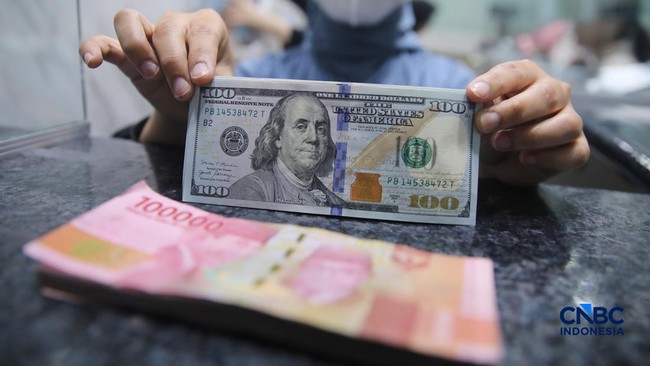
Jakarta, CNBC Indonesia - The rupiah ended the first trading day of the week on Monday (25 May 2026) weaker against the US dollar.
According to Refinitiv data, the rupiah’s movement was volatile throughout the day. The Indonesian currency initially opened in the green zone at Rp17,680/US$, a 0.06% appreciation.
However, this gain was short-lived. The rupiah reversed and closed 0.23% lower at Rp17,730/US$, marking its weakest closing level ever recorded.
Meanwhile, the US dollar index (DXY), which measures the greenback’s strength against six major global currencies, weakened by 0.17% to 99.070 at 3:00 PM WIB.
The rupiah failed to capitalise on the global weakening of the US dollar, indicating sustained pressure on the Indonesian currency despite the dollar’s correction.
Globally, the US dollar weakened amid prospects of a US-Iran peace deal. Last weekend, US President Donald Trump stated that a memorandum of understanding for a peace agreement with Iran had mostly been negotiated, with both countries and Pakistan-based mediators reporting progress.
However, Trump also confirmed that the US blockade on Iranian vessels in the Strait of Hormuz would remain fully in effect until a deal is finalised, certified, and signed.
In financial markets, this situation has sparked cautious optimism that a deal may eventually be reached, contributing to early-week pressure on the dollar.
Domestically, Finance Minister Purbaya Yudhi Sadewa previously stated his intention to strengthen the rupiah against the US dollar, targeting a rate of Rp15,000/US$ from the current level above Rp17,000/US$.
Purbaya announced new measures this week to bolster the rupiah, including the implementation of a new rule on Foreign Exchange Earnings from Natural Resources (DHE SDA) effective 1 June 2026.
The new DHE SDA regulation aims to retain more foreign exchange from commodity exports, such as coal and palm oil, within the country.
In addition to DHE, the government has implemented a rupiah stabilisation programme through bond market interventions to maintain stable bond yields amid foreign capital outflows.
Last week, the government conducted interventions by purchasing Rp2.2 trillion in secondary market Government Securities (SBN).