
Rupiah Falls to IDR 17,600 per US Dollar: Which Goods are Likely to See Price Increases?
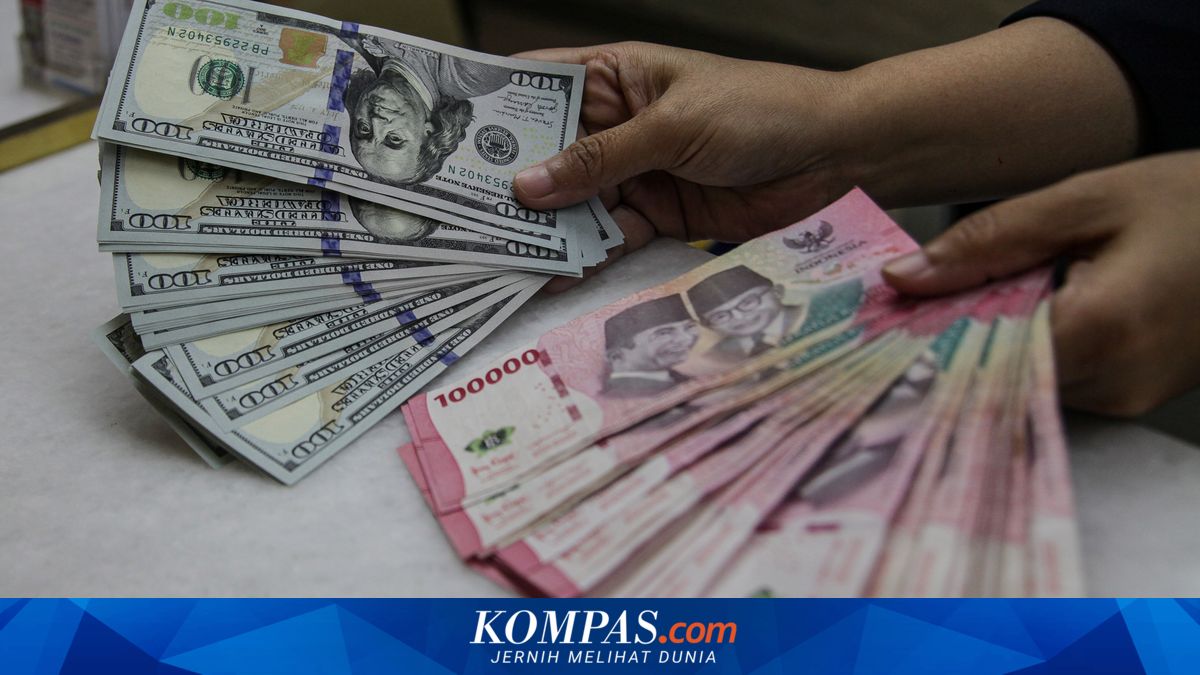
Jakarta, Kompas.com - The Rupiah exchange rate has continued to weaken, reaching IDR 17,600 per US dollar on Friday (15/5/2026). The Rupiah’s depreciation today is triggered by a combination of external and domestic pressures that are burdening the financial markets.
This situation has led many people to ask what is causing the Rupiah to weaken and what impact it will have on the prices of everyday necessities.
The Rupiah’s depreciation is considered to pose a risk of increasing the prices of a number of consumer goods, ranging from imported food, gadgets, medicines, to vehicle spare parts.
“External conditions are causing the dollar to strengthen, and the price of oil is also rising, which is having an impact on the weakening of the Rupiah,” said Ibrahim, Friday (15/5/2026).
On the domestic side, economist from Paramadina University, Wijayanto Samirin, said that the pressure on the Rupiah is also influenced by internal factors, ranging from the potential widening of the state budget deficit, the need for government debt issuance, to pressure on the balance of payments.
The Rupiah’s depreciation is considered to pose a risk of triggering imported inflation because Indonesia still relies on imported raw materials and goods to meet various domestic needs.
In the current condition of the weakening Rupiah, price increases usually occur most quickly in food products whose raw materials are still imported, such as wheat and soybeans.
Professor at Airlangga University, Rahma Gafmi, said that the prices of imported raw materials at the producer level have started to rise since the end of April 2026 and have the potential to be passed on to consumers in the next few months.
“For commodities based on imports such as wheat and soybeans, prices will increase. This means that the prices of instant noodles, bread, tofu, and tempeh are likely to creep up,” said Rahma.
The impact is not only felt on directly imported products, but also on processed foods that use imported raw materials. The increase in the price of wheat, for example, can affect the prices of bread, biscuits, instant noodles, and animal feed.
Therefore, the increase in basic necessities due to the weakening Rupiah is one of the risks that is starting to be watched out for by market players and consumers.
Chairman of Commission XI of the Indonesian House of Representatives, Mukhamad Misbakhun, reminded that the weakening Rupiah can increase the production costs of industry, which will ultimately be passed on to the prices of goods at the consumer level.