
Rupiah Exchange Rate Edges Closer to Rp17,000/US$
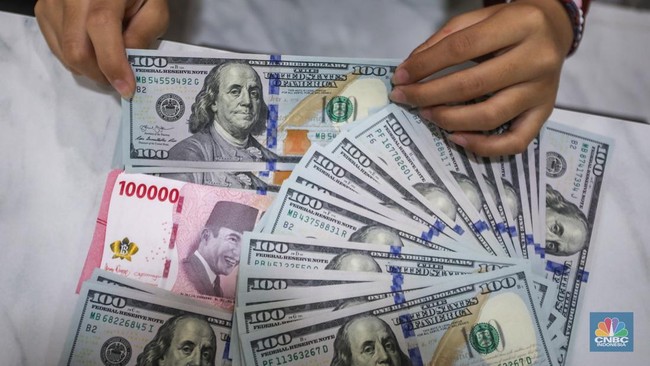
The rupiah exchange rate closed weaker against the US dollar on Tuesday’s trading session. According to Refinitiv data, the Garuda currency ended the day at Rp16,990/US, aslightweakeningof0.03, this position represents the weakest closing level for the rupiah in history. Despite opening stronger at the start of trading, the rupiah reversed course and weakened, moving in the range of Rp16,980-Rp16,998/US$ throughout the session. Meanwhile, the US dollar index (DXY) was observed weakening slightly by 0.05% to 100.457 as of 3:00 PM WIB. Even with the correction, the DXY position remains relatively high and continues to reflect the global strength of the US dollar, after previously breaching the psychological level of 100. The rupiah’s weakening in today’s trading is still overshadowed by external factors, particularly the intensifying US-Israel war against Iran, which continues to drive surges in global oil prices. This situation has led market participants to avoid risk assets and shift funds to safe-haven assets, including the US dollar. This condition is reflected in the US dollar index’s performance, which recorded significant strengthening throughout March. The DXY is even heading towards its largest monthly gain since July 2025, with appreciation of around 2.9% so far this month. This indicates that demand for the US dollar remains very strong amid growing market concerns over a global economic slowdown. Market pressure also increased after US President Donald Trump warned on Monday that Washington would destroy Iran’s energy facilities and oil wells if Tehran does not reopen the Strait of Hormuz. On the other hand, Iran deemed the US peace proposal unrealistic and launched missiles at Israel again. Negative sentiment was further compounded by reports of a Kuwaiti oil tanker docked in Dubai being attacked by Iran. This incident has further fuelled the rise in oil prices and heightened market concerns over disruptions to global energy supplies. On the other hand, Federal Reserve Chair Jerome Powell has actually dampened speculation of an imminent interest rate hike. He emphasised that the US central bank is still taking a wait-and-see approach and stated that long-term inflation expectations remain anchored. That statement temporarily pressured yields on short-term US government bonds. However, it has not been sufficient to weaken the dollar, as the US currency continues to be sought as a safe asset when the outlook for global economic growth deteriorates.