
Rupiah Continues to Weaken as Economic Stimulus Deemed Insufficient
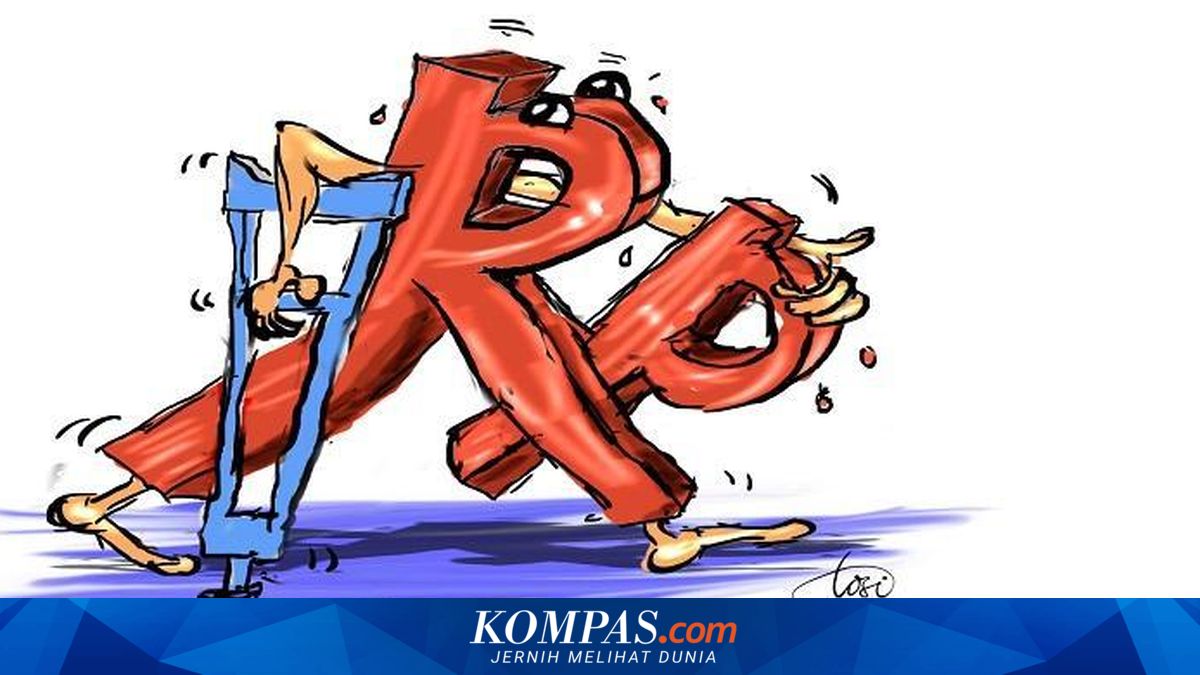
The government’s economic stimulus for the second half of 2026 is deemed effective only in the short term if pressure on the rupiah and global conditions do not worsen. Professor Syafruddin Karimi of Andalas University’s Economics Department said stimulus measures such as transport discounts, tax incentives, and vocational programmes can help maintain consumer spending and economic activity. ‘Stimulus measures for H2 2026, including transport discounts, tax incentives, and vocational programmes, can support consumption, but their impact is limited if the rupiah continues to weaken and global pressures rise,’ Syafruddin said on Thursday, 28 May 2026. He noted that transport discounts could boost mobility and encourage short-term consumer spending, while tax incentives provide breathing space for households and businesses. However, Syafruddin warned that rupiah depreciation remains a primary threat, as it could raise import, energy, and raw material costs, as well as inflation expectations. ‘Consumption stimulus alone will be insufficient if production costs rise and investors hold back on expansion,’ he said. Therefore, he urged the government to direct more stimulus towards productive sectors such as food, energy, MSMEs, and labour-intensive activities. ‘Social assistance works best when price pressures are temporary and concentrated among vulnerable groups,’ Syafruddin said. He explained that if the rupiah continues to weaken, prices of imported goods, energy, medicines, and raw materials would rise more broadly. In such a scenario, social assistance would only act as a temporary buffer, not address the root cause. ‘Purchasing power cannot be sustained without a credible rupiah,’ he added. ‘Household consumption is Indonesia’s main economic buffer. Social assistance, transport discounts, and tax incentives can sustain consumer spending in the short term,’ he said. However, he cautioned that such optimism could be fragile if the rupiah continues to weaken, inflation rises, bond yields increase, and businesses hold back on investment.