
Rupiah Closes Weaker, Nearly Breaking Through 17,000 Level: Here's Why
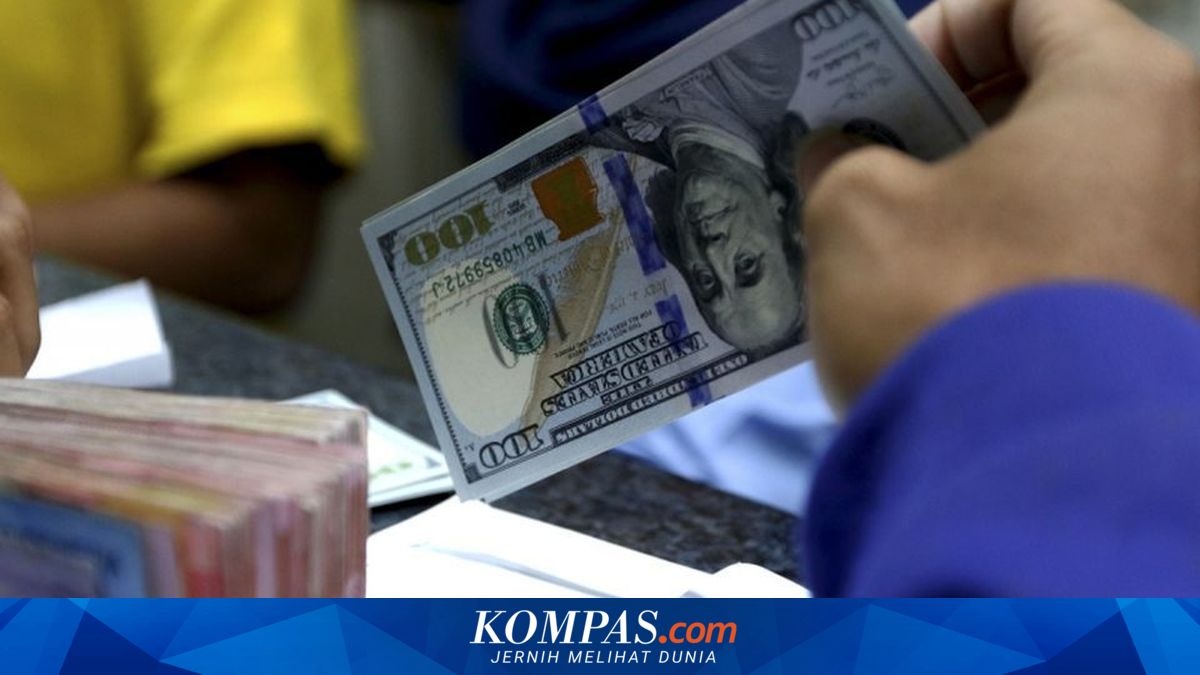
Jakarta — The rupiah closed weaker on the spot market during Monday’s trading (16 March 2026). The Garuda currency depreciated by 40 points or 0.24 per cent to Rp 16,998 per US dollar, approaching the psychological threshold of Rp 17,000 per dollar.
Money and commodities market analyst Ibrahim Assuaibi said the rupiah’s weakness was triggered by heightened geopolitical tensions in the Middle East region, particularly around the Strait of Hormuz, a vital global oil trade corridor.
“Today the rupiah closed weaker approaching Rp 17,000 per dollar. Earlier it touched Rp 17,006, and ultimately closed at Rp 16,998,” Ibrahim told reporters on Monday afternoon.
The tensions escalated further after American forces were reported approaching the Strait of Hormuz region.
Additionally, reciprocal attacks between Iran and Israel continued, demonstrating that Iran still possessed the capability to mount resistance.
“What causes the rupiah’s depreciation? One factor is the geopolitical tension in the Middle East, especially around the Strait of Hormuz which is heating up. Particularly since American marine forces are approaching the Strait of Hormuz to conduct ground operations,” he explained.
The situation was exacerbated by numerous political threats that added further uncertainty in the Middle East region.
Several areas serving as American military bases in the region, including Iraq and the United Arab Emirates, were reported to have also come under attack.
Amid conflict escalation, global oil prices continued to rise.
Although plans existed to release oil reserves from various parties, including the International Energy Agency (IEA) and Russia, such measures were deemed insufficient to dampen the surge in global oil prices.
Oil prices were even estimated to potentially spike sharply to USD 130 per barrel.
“Although we see the IEA will release some 400 million barrels of oil, and Russia will also release crude oil to the market, this still cannot bring down global crude oil prices. What does this mean? That there remains a possibility oil prices could soar to USD 130 per barrel,” Ibrahim explained.
The rise in oil prices also triggered concerns about global inflation.
Markets are now awaiting the meeting of the US Federal Reserve (The Fed) next week to determine the direction of interest rate policy.