
Rupiah Closes Stronger at 17,168
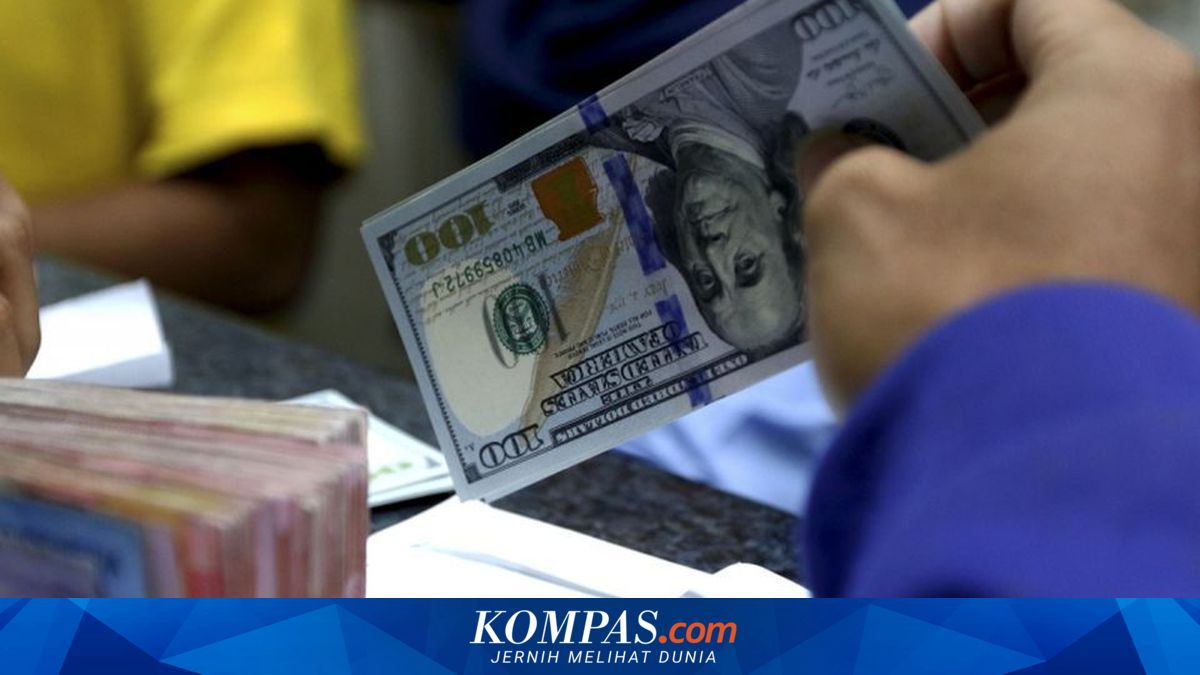
JAKARTA, KOMPAS.com - The rupiah exchange rate against the US dollar in the spot market strengthened at the close of trading on Monday (20/4/2026). The Garuda currency strengthened by 21 points or 0.12 percent to the level of Rp17,168 per US dollar.
The limited strengthening of the rupiah occurred when the Strait of Hormuz was reported to have been closed again, following mutual accusations of ceasefire violations between the United States and Iran.
Both countries accused the opposing side of attacking ships over the weekend.
Currency and Commodities Analyst, Ibrahim Assuaibi, stated that this situation was triggered by US military actions that fired upon and captured an Iranian ship suspected of attempting to evade the blockade.
“US military has seized an Iranian cargo ship that tried to break through the blockade,” said US President Donald Trump on Sunday, while Iran said it would not participate in the second round of peace talks despite Trump’s threats of further airstrikes, Ibrahim told reporters on Monday afternoon.
On the other hand, Iran stated it would not proceed with the second round of peace talks, despite the US issuing fresh threats of airstrikes.
This situation prolongs uncertainty in the region, which has long been a vital route for global energy distribution.
The United States is reportedly still maintaining a blockade on Iranian ports, while Iran has alternately lifted and reimposed restrictions in the Strait of Hormuz.
This route is known to handle around one-fifth of the world’s oil supply before the conflict escalated in the last two months.
The tensions immediately impacted global markets.
Oil prices surged by up to 7 percent at the start of the week, triggering new concerns about a global inflation spike.
Energy-driven inflationary pressures have become a major factor weighing on commodity markets, including metals, since the conflict began at the end of February.
Additionally, the rising geopolitical tensions have altered expectations for US monetary policy.
Markets now anticipate that interest rates will remain higher for a longer period, in line with persistent high inflation due to expensive energy prices and global instability.