
Rupiah Closes Stronger Around Rp16,800 Per US Dollar, Here Are The Supporting Factors
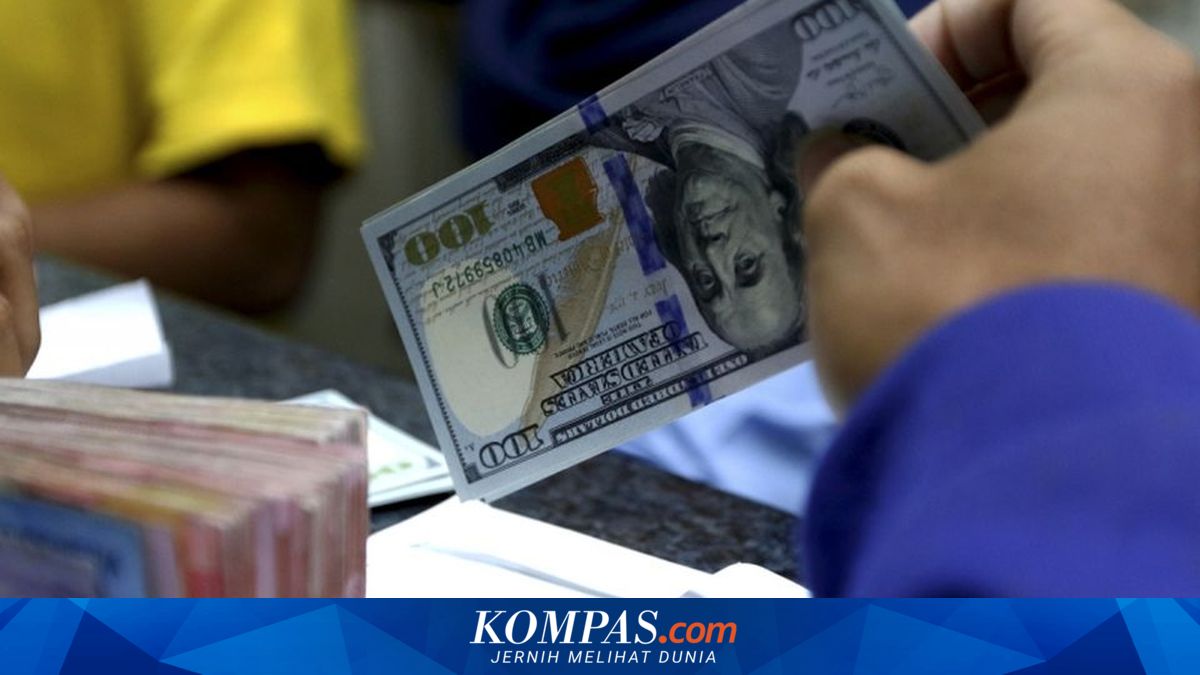
The value of the rupiah in the spot market closed at Rp16,863 per US dollar at the end of Tuesday trading (10 March 2026). This position strengthened 0.51 per cent compared to the previous day’s close at Rp16,949 per US dollar.
Currency and commodity analyst Ibrahim Assuaibi stated that the rupiah’s strengthening against the US dollar was supported by several factors.
Externally, President Vladimir Putin was reported to have held a telephone conversation with US President Donald Trump. During that discussion, Putin was said to have presented several proposals aimed at accelerating the resolution of the conflict with Iran.
Trump stated on Monday (US time) in an interview with CBS News that he assessed the war against Iran to be “nearly finished”. According to him, Washington was “far ahead” compared to initial projections that had previously been estimated to last around four to five weeks.
In response to this statement, Iran’s Islamic Revolutionary Guard Corps (IRGC) asserted that it would determine the end of the conflict. An IRGC spokesperson stated that Tehran would not permit even a single litre of oil to be exported from the region if attacks from the United States and Israel continued, as quoted by Iranian state media on Tuesday.
Nevertheless, global oil prices remained under pressure following Trump’s consideration of several options to curb surging world energy prices. Several sources mentioned that the steps being considered included loosening oil sanctions against Russia and releasing emergency crude oil reserves.
Meanwhile, member nations of the Group of Seven (G7) stated on Monday that they were prepared to take necessary measures to respond to rising global oil prices. However, the group of developed nations has not yet formally committed to releasing emergency oil reserves.
On the domestic front, global pressure has begun to impact Indonesia’s economic conditions. Indonesia’s foreign exchange reserves were reported to have declined amid rupiah weakness triggered by geopolitical tensions, particularly the conflict involving the United States, Israel, and Iran.