
Rupiah Breaches Rp 17,400 per US Dollar, Commodity Prices Rise, Public Purchasing Power Under Pressure?
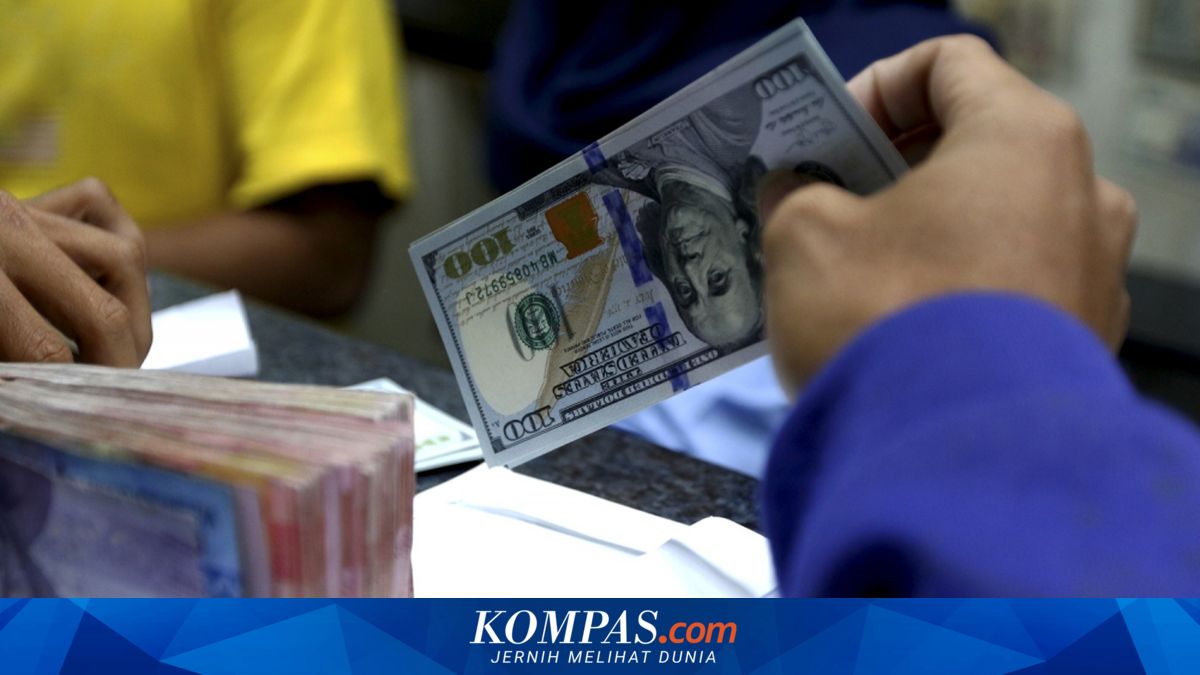
JAKARTA, KOMPAS.com - The rupiah exchange rate breached the psychological level of Rp 17,400 per US dollar at the start of trading on Tuesday (5/5/2026). The weakening of the Garuda currency has triggered price increases for several commodities among the public.
The impact of the rupiah’s depreciation on society is considered significant, especially when occurring alongside rising global crude oil prices.
Global oil prices surged 6% at the close of trading on Monday (4/5/2026) US time, or Tuesday morning WIB. The increase was triggered by rising geopolitical tensions in the Middle East, following Iran’s expansion of attacks on ships in the Gulf and the burning of an oil port in the United Arab Emirates (UAE).
Currency and Commodities Analyst, Ibrahim Assuaibi, assessed that the combination of rising oil prices and rupiah weakening is pulling up prices of several commodities in Indonesia, particularly making imported goods more expensive.
He cited examples such as prices of electronic products and fertilisers, which are now experiencing spikes. In addition, food commodities like soybeans and wheat are also seeing price increases. This situation ultimately has the potential to pressure living costs for the public.
“We see that today prices of everything are experiencing quite significant increases. We see that imported goods, electronics, fertilisers, then commodities, soybeans, then wheat, yes, these are also experiencing increases,” said Ibrahim when confirmed by reporters.
Amid this situation, the public and market players are awaiting the release of first-quarter 2026 economic growth data. Concerns are emerging due to fiscal conditions that are deemed to be weakening, coupled with shrinking foreign exchange reserves.
According to Ibrahim, this situation needs to be monitored carefully because it will determine whether Indonesia’s economic growth can achieve the government’s target above 5.5% or fall below expectations.
“This must be handled carefully, whether it aligns with the government’s target above 5.5% or below 5.5%,” he explained.