
Rubbish Piles Up in Denpasar, Residents Confused by Information
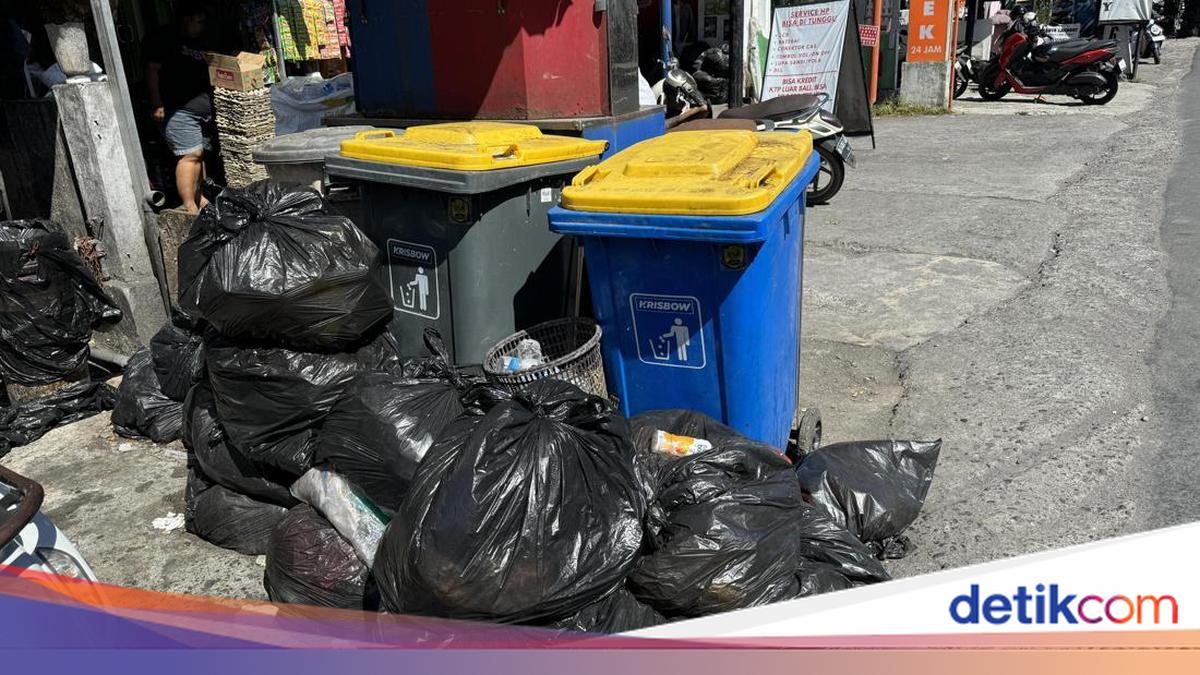
Piles of rubbish are visible at several points in Denpasar, one of which is in Panjer Ward, South Denpasar. The rubbish is accumulating not only in residents’ homes but also at business premises, from small shops to boarding houses.
“It’s taking a long time to collect, it’s unpredictable. No schedule. It’s been months since the rubbish was last collected, and the fees too,” said the owner of one grocery shop, Kadek, when interviewed by detikBali on Tuesday (31/3/2026).
Kadek admitted that he has not received any socialisation regarding waste management from the local village or ward government. He also has not heard about the mandatory regulation to sort organic and inorganic waste, which applies starting 1 April 2026.
“What’s a composter bag? We haven’t got that yet,” said Kadek.
He also mentioned that information about the closure of the Suwung Final Disposal Site (TPA) remains unclear. “That’s not certain yet. It’s still confusing,” added Kadek.
Self-Managed Business Waste
A similar situation is faced by business operators. One employee at the SFC fried chicken shop, Ronald, said the business owner has chosen to involve third parties on a self-managed basis to handle kitchen waste.
“The boss knows, it’s been going on for a while. It’s collected after we go home; yesterday during the holiday break,” explained Ronald.
“The last fee was collected for February, but it was only picked up once. Previously, it was collected twice a week. We’ve messaged them too, the reply was ‘will inform later’, and until now there’s no news,” said Ronald.
According to residents, the waste collection fees vary from Rp 50,000 to Rp 400,000, depending on the type of business. One cafe in the same area, Satu Titik Kopi Dewata, is charged up to Rp 400,000 for weekly rubbish collection.
“It’s still regular, usually collected once a week. It just hasn’t been picked up yet,” said the cafe employee, Gusde.
Gusde explained that the cafe has been sorting organic and inorganic waste. However, the organic waste is not processed at the source but is still discarded for collection by residents and used as animal feed.
“Usually in the morning, someone comes to take it directly, those who keep animals, usually for livestock feed,” said Gusde.
Regarding socialisation of waste management, Gusde admitted he does not yet know the follow-up. “Whether the owner has received it or not, I don’t know. Because there are three owners here,” clarified Gusde.