
RSPAD Gatot Soebroto: A Military Hospital with Origins in Dutch Colonial Era
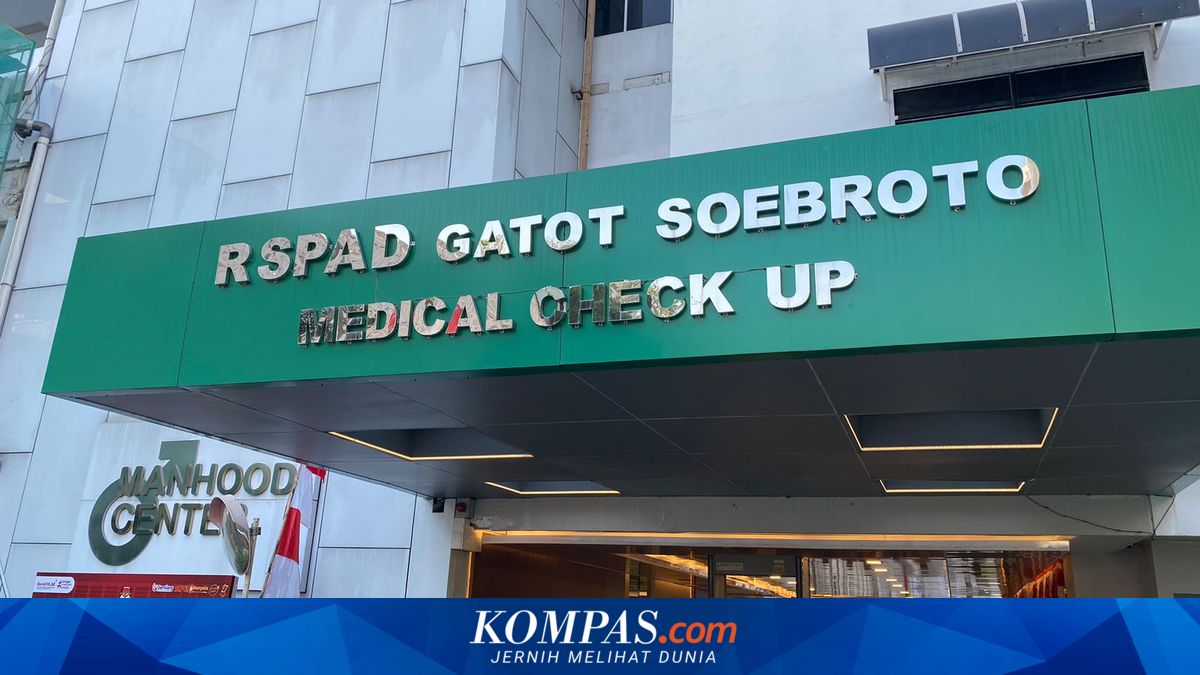
RSPAD Gatot Soebroto is Indonesia’s largest military hospital and currently serves as the highest referral centre for TNI hospitals throughout the country. However, before developing into the modern healthcare facility it is today, the hospital has a long historical journey dating back to the Dutch colonial period.
According to RSPAD Gatot Soebroto’s historical archives, the hospital was originally constructed by the Dutch colonial government in October 1936 under the name Groot Militair Hospitaal Weltevreden. It was established to provide care for Dutch soldiers who were sick or wounded, particularly those injured in various battles against Indonesian independence fighters, such as the Paderi War and the Diponegoro War.
Initially, the military healthcare facility was located at several sites including Weltevreden and Meester Cornelis (now Jatinegara). By 1819, the number of beds at this military hospital increased from 222 to 400, though this capacity was subsequently deemed insufficient due to the rising number of soldiers requiring treatment from various wars throughout the archipelago.
Over time, the hospital evolved beyond merely serving military personnel and became instrumental in advancing medical science in the Dutch East Indies. A significant development occurred in 1896 when Dutch physician Christiaan Eijkman conducted research that revealed the connection between nutritional deficiency and beriberi disease, discoveries that ultimately led to the identification of vitamin B. For this breakthrough, Eijkman was awarded the Nobel Prize in Medicine in 1929.
When Japan occupied Indonesia in 1942, the hospital came under Japanese military control and was renamed Rikugun Byoin. During this period, the hospital maintained its function as a military healthcare facility serving Japanese forces throughout the occupation.
After Japan’s surrender to the Allied Forces in 1945 and Indonesia’s proclamation of independence, the hospital was reclaimed by the Dutch through the KNIL (Royal Netherlands East Indies Army) under the name Leger Hospitaal Batavia.