
Rp4 Trillion Allocated for Irrigation Pumps to Combat El Niño
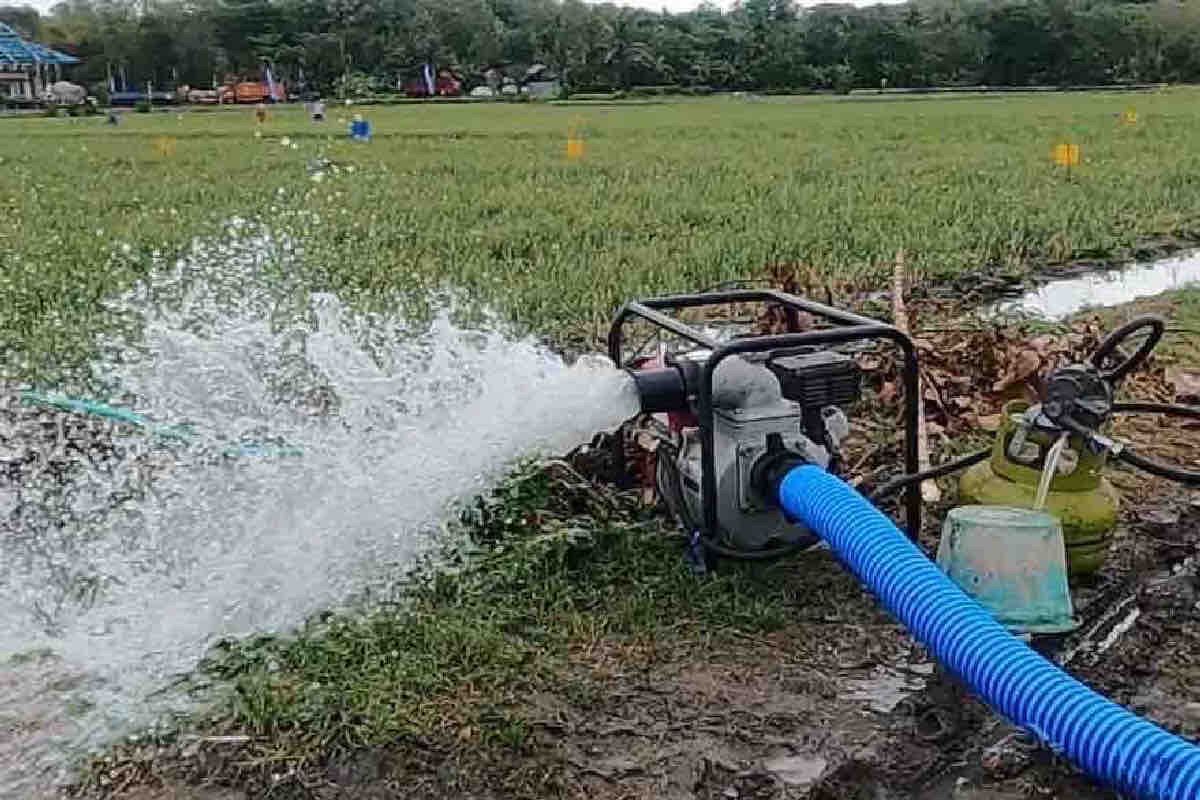
The government faces a policy dilemma with no truly comfortable options. Agriculture Minister Andi Amran Sulaiman stated that the government is preparing a budget of up to Rp4 trillion for the pompanisation programme as a strategic step to address the potential impacts of El Niño. This programme aims to ensure the availability of irrigation water and maintain agricultural productivity, particularly in areas at risk of drought due to prolonged dry seasons. “The pompanisation budget is around Rp3 to Rp4 trillion,” Amran said after a working meeting with Commission IV of the House of Representatives in Jakarta. In addition to procuring pumps, the government is also repairing irrigation networks in collaboration with the Ministry of Public Works to ensure optimal water distribution to agricultural lands. Amran emphasised that pump assistance will be provided free of charge to farmers, so as not to add to operational costs, including fuel needs. “We are giving the pumps to farmers for free,” he said. The government is also urging regional heads to immediately map drought-prone areas and prepare an integrated early warning system. This step is considered important to ensure a quick response to potential droughts, thereby minimising their impact on food production through planning and cross-sectoral coordination. Besides pompanisation, the government is also optimising water resource management through the rehabilitation of irrigation networks, the construction of small reservoirs, shallow and deep wells, as well as the development of pumping and modern irrigation systems. This policy is part of efforts to maintain national food resilience amid the threat of climate change and global dynamics that could disrupt the agricultural sector. The aim of pompanisation and pumped irrigation is to increase water availability so that agricultural cultivation runs smoothly. The Ministry of Agriculture is actively promoting the acceleration of rice planting and the pompanisation programme as anticipatory measures against food crises and to achieve food sovereignty. The Ministry of Agriculture is intensifying the pompanisation programme, which is considered the fastest solution to address the impact of drought on the agricultural sector. Following reports of drought in Rancadaka Village, Pusakanagara Subdistrict, Subang Regency, West Java, the Ministry of Agriculture quickly mobilised water pump assistance. The Ministry of Agriculture is optimising the utilisation of 80,158 water pump units that have been distributed to farmer groups to anticipate potential drought due to the El Niño phenomenon.