
Rp173 Billion in Funds Fled Before Iran Was Bombed by the United States and Israel
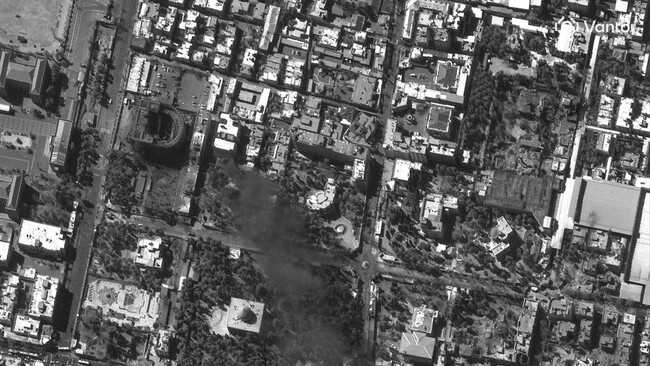
Jakarta, CNBC Indonesia - The US and Israel military strikes on Iran have sparked volatility in the digital assets market. Within hours of the attack beginning on Saturday (28 February), crypto funds worth about US$10.3 million, or around Rp173 billion, were recorded leaving several Iranian crypto exchanges. Data from blockchain analytics firm Chainalysis show a surge in outflows of more than US$2 million in the first hour after reports of the attack emerged at around 06:15 GMT. The spike signalled a rapid market response to the geopolitical conflict.
Elliptic researchers also found similar patterns at Nobitex, Iran’s largest crypto exchange. Outflows on that platform peaked at US$2.89 million between 11:00 and 12:00 GMT, about eight times higher than the previous day.
Nevertheless, analysts could not yet confirm who moved the funds or their exact purpose. Chainalysis said part of the outflows likely came from Iranian residents seeking to secure assets amid rising risk. “Some others could be exchanges adjusting liquidity or trying to reduce their on-chain footprints, or actors affiliated with a state using mainstream platforms to transfer funds,” Chainalysis said, as cited by Reuters, Thursday (5 March 2026).
Elliptic assessed that part of the funds were likely flowing to overseas crypto exchanges, potentially reflecting capital flight from Iran. However, US research firm TRM argued that the spike reflects pressure-driven activity rather than large-scale capital flight.
The phenomenon underscores crypto’s increasingly central role in Iran’s financial system, particularly amid geopolitical shocks. Throughout 2025, the volume of crypto transactions in the country is estimated to reach US$8-11 billion, reflecting expanding use by both retail investors and parties alleged to be affiliated with the state.
Although its contribution to the global financial system remains relatively small, the IMF projects crypto will continue to rise, especially in developing countries with weak currencies.