
Rp15 Trillion Chandra Asri Chemical Plant Project Targeted by Extortion Demands
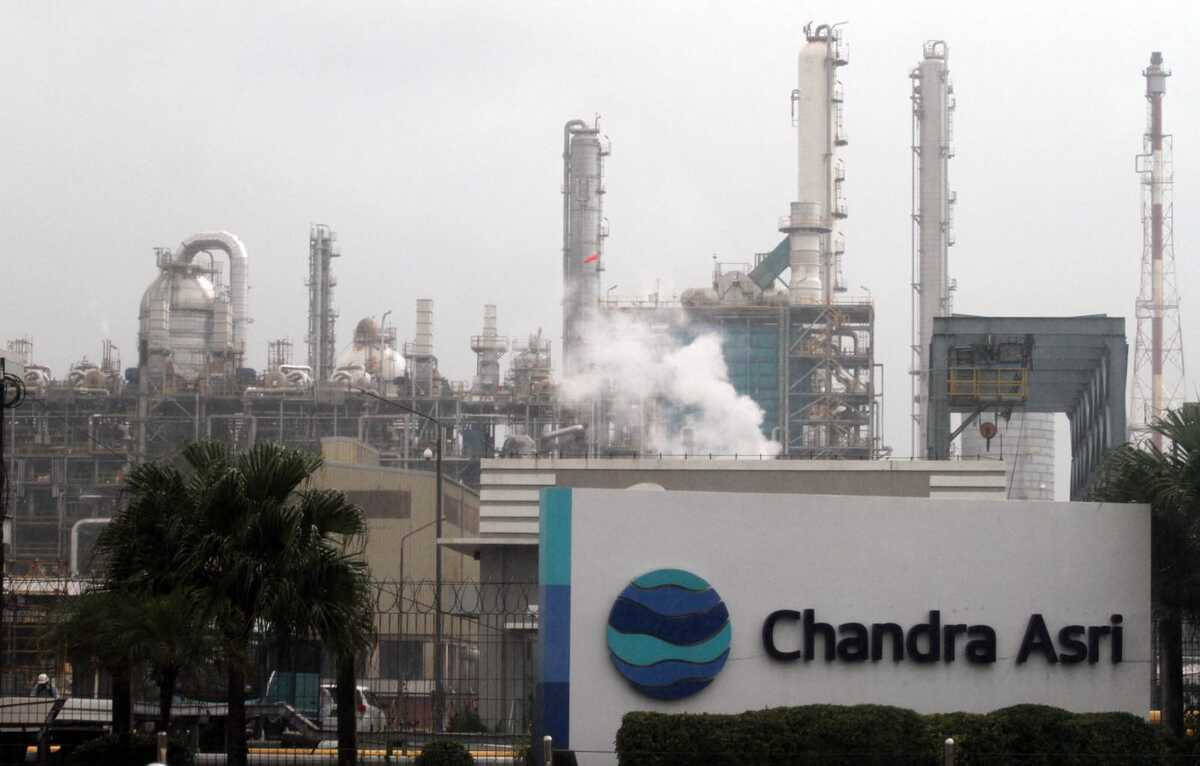
Jakarta – Allegations of pressure and demands for project allocations by various parties against a national strategic project (PSN) have resurfaced. This time, the Rp15 trillion chlor alkali–ethylene dichloride (CA–EDC) chemical plant construction project belonging to PT Chandra Asri Petrochemical Tbk. (TPIA) in Cilegon, Banten, has become the target.
Several videos circulating on social media show meetings between representatives of Chinese contractor Chengda Engineering Co. and a number of community organisations (ormas), associations, and individuals claiming to represent the Cilegon Chamber of Commerce (Kadin) and local businesses. During the meetings, demands for “project allocations” without any tender mechanism were heard—reportedly worth trillions of rupiah.
“Without any tender, the allocations must be clear—Rp5 trillion for Kadin,” said one man in a video that went viral last weekend.
The incident immediately drew public and stakeholder attention, given that the CA-EDC project is no ordinary undertaking. The plant has been designated as part of the PSN through Presidential Regulation No. 12 of 2025 and is expected to support the downstream processing agenda and strengthen the national industrial raw materials supply chain, including materials for electric vehicle batteries.
In response, Deputy for Investment Implementation Control at the Ministry of Investment/BKPM, Eddy Junaedi, confirmed that his office had received a formal report from the company. BKPM will summon all related parties, including regional and national Kadin, to clarify the situation.
“The company has reported the incident. We will invite Forkompinda, company representatives, and Kadin to discuss this issue. We will also activate the Anti-Thuggery Task Force to ensure investment realisation is not obstructed,” Eddy stated on Tuesday (13/5/2025).
BKPM also pledged to strengthen oversight against potential non-technical disruptions that frequently arise in the field, such as forced local project allocations, illegal levies, and pressure from community organisations on investors.
Chandra Asri had previously expressed concerns over the practice of pressuring strategic industrial projects, not only in Cilegon but also across various other industrial areas. According to Edi Rivai, Director of Legal, External Affairs and Circular Economy at Chandra Asri, the company continues to push for legal protection guarantees from both central and regional governments.
“We have observed a trend of disruptions by individuals acting in the name of community organisations. This is not merely a local issue—it is a serious problem for investment certainty,” he said.
Edi added that Chandra Asri, together with other industry players, has established a forum to anticipate similar pressures in other industrial zones across Indonesia.
The Chandra Asri CA–EDC plant will produce 400,000 tonnes of caustic soda and 500,000 tonnes of ethylene dichloride per year, which are vital for the chemical, metals, and electric vehicle industries. The project is projected to become a pillar of national downstream processing and reduce dependence on imported materials.
However, if thuggery and pressure on investors are not firmly addressed, these ambitious targets could be jeopardised. Industry players believe the government must send a strong signal that investments will be legally protected and cannot be extorted by individuals acting in the name of local interests.