
Rp 1 Billion from Free Nutritious Meals Flows to Each SPPG Per Month
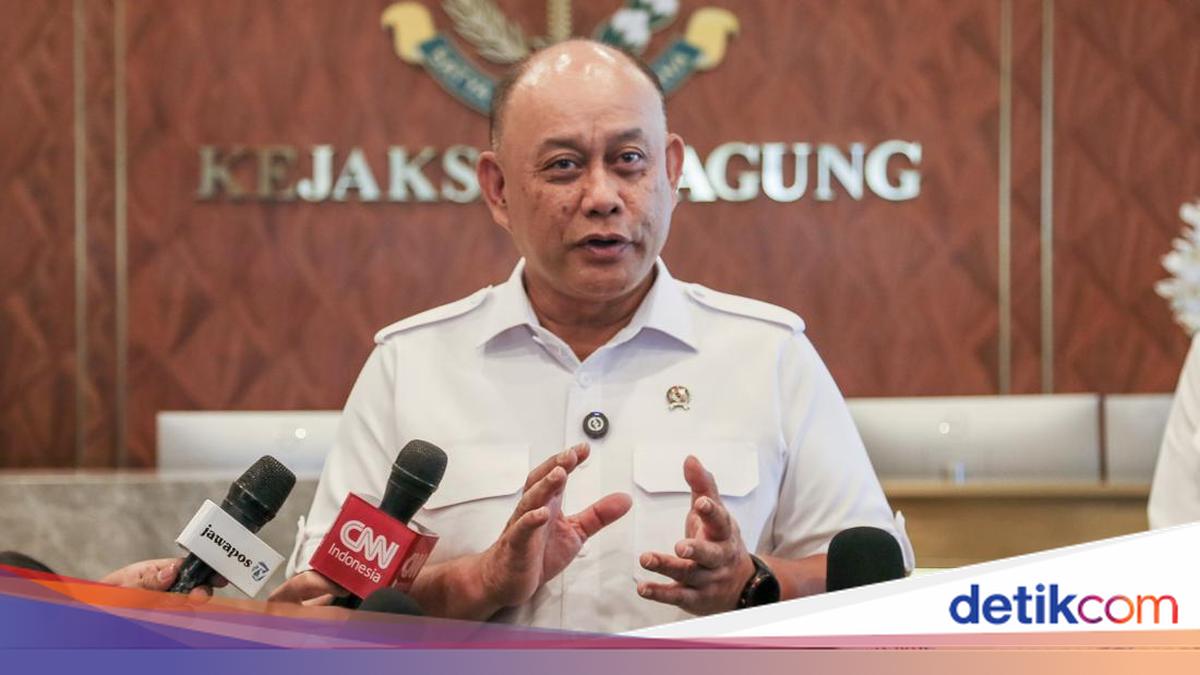
The Head of the National Nutrition Agency (BGN), Dadan Hindayana, has disclosed that the free nutritious meals programme (MBG) targets not only nutritional fulfilment but also stimulates the circulation of money amounting to trillions of rupiah in regions. Each Nutrition Fulfilment Service Unit (SPPG) is said to receive funding of around Rp 1 billion per month. Dadan explained that the majority of BGN’s budget is directly channelled to regions through a virtual account mechanism connected to SPPGs across Indonesia. “The National Nutrition Agency’s funds, 93% of which are directly disbursed from KPPN via virtual accounts. These enter the virtual accounts of all SPPGs throughout Indonesia, numbering 25,574. Thus, this programme ensures equitable distribution of funds to every region,” Dadan stated. He cited an example: in West Java, there are about 5,000 SPPGs. With that number, the fund circulation in the area reaches Rp 5 trillion every month. “So, on average, 1 SPPG will receive Rp 1 billion per month. If in West Java there are already 5,000 SPPGs, that means Rp 5 trillion is circulating in West Java per month. With the programme now running for 2.5 months, the money in West Java has circulated approximately Rp 11-12 trillion. This is what drives the economic wheel in every region,” Dadan said in a statement on Thursday (19/3/2026), as reported by detikFinance. Driving Local Economy Dadan emphasised that the MBG programme was designed from the outset to encourage the utilisation of local resources. The food needs in this programme are expected to be met from local production in the surrounding areas. With this scheme, the MBG programme is seen as opening market opportunities for farmers, business actors, and local food industries. In addition, Dadan highlighted the role of SPPGs in creating new job opportunities at the local level. The personnel involved, from operations to experts such as nutritionists, are recruited from the local community. “I hope there will be a circular economic movement in one region, which, alhamdulillah, is now beginning to be realised by all parties on the importance of increasing local productivity so that the regional economy will develop. Now, many regional heads want the money entering a region to be spent by purchasing raw materials available in that region,” he explained. To ensure this runs optimally, his side places nutrition experts in every SPPG recruited from the local area. This step is taken so that nutritional fulfilment can be adjusted to the potential resources and local community preferences.