
Robotic surgical technology enhances precision in knee replacement operations
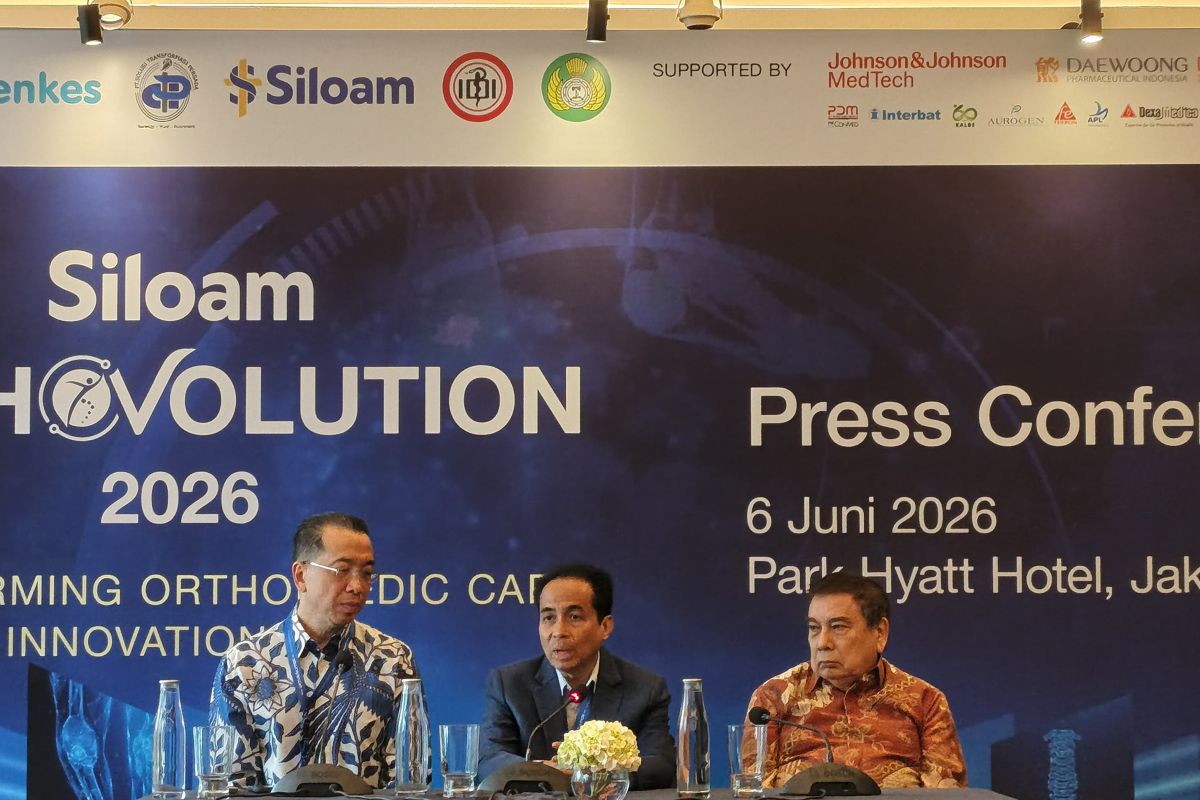
The use of robotic surgical technology in total knee replacement (TKR) procedures is considered capable of enhancing surgical precision and supporting the patient recovery process.
Orthopaedic specialist dr. I Made Yudi Mahardika, Sp.OT, speaking at the Orthovolution 2026 Symposium in Jakarta on Saturday, stated that robotic technology serves as an aid for doctors to perform procedures with a higher level of accuracy compared to conventional methods. “It is not the robot performing the work for us, but rather the doctor being facilitated by technology to make more precise incisions. Since every patient’s anatomy varies, this technology assists with adjustments during surgery,” said Yarkan.
Through this mapping, medical teams can adjust the position and movement of implants to closely mimic the natural function of the patient’s knee.
Professor of Orthopaedics, Prof. Dr. dr. Andri Lubis, Sp.OT (K), noted that the success of joint replacement surgery is determined not only by technology but also by the collaboration of various disciplines, ranging from anaesthesia to medical rehabilitation.
Anaesthesiologist dr. Fransisca Dewi Kumala, Sp.An, added that the implementation of the Enhanced Recovery After Surgery (ERAS) protocol also plays a role in accelerating post-operative recovery. According to her, this approach includes pain management through a combination of various types of medication and nerve block techniques, allowing patients to move more quickly after the procedure.
Knee osteoarthritis is one of the primary causes of decreased mobility in the elderly. In severe cases that no longer respond to conservative therapy, knee joint replacement can be a viable treatment option.
Experts assess that developments in surgical technology, including the use of robotic systems, have the potential to support procedural accuracy and improve patient comfort. However, the choice of surgical method must still be tailored to each patient’s clinical condition and the considerations of the attending physician.
Siloam Hospitals Mampang utilises the VELYS (VELYS Robotic-Assisted Solution) robot for TKR procedures, featuring an imageless technology advantage that does not require a CT scan prior to surgery. The system maps the patient’s knee anatomy directly within the operating theatre.