
Rivian Sacrifices 2027 Profit Target to Deliver Self-Driving Cars
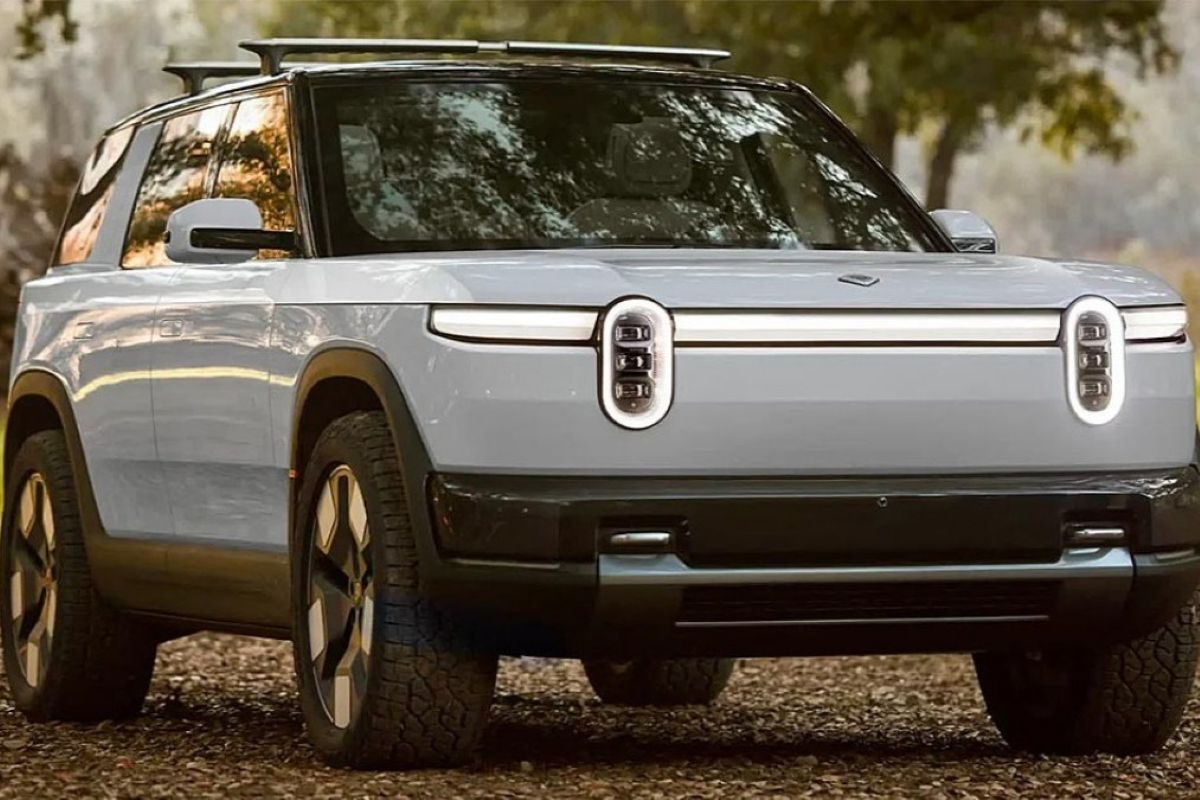
Jakarta (ANTARA) - The US-based car manufacturer Rivian is reportedly no longer forecasting achievement of its 2027 profit target due to the significant efforts the company is making to introduce self-driving vehicles. The company does not even expect to achieve positive EBITDA in 2027, given the rising research and development costs as it works to create its autonomous car technology. According to a TechCrunch report on Thursday (19/3) local time, this admission was included in a document detailing Rivian’s new partnership with the online transportation platform Uber to build robotaxis from the upcoming R2 SUV. Rivian declined to comment further beyond what was revealed in the partnership document. Rivian has long informed its shareholders that it could achieve positive EBITDA in 2027 provided it successfully launches the R2 SUV and increases revenue from its software. However, the company has faced numerous challenges before reaching that target, such as the suspension of the federal electric vehicle tax credit, reduced ability to sell regulatory credits to other car manufacturers, and increased production costs due to import tariff policies from US President Donald Trump. These pressures have undoubtedly made it more difficult for Rivian to achieve profitability. Analyst from global investment bank UBS, Joseph Spak, stated in February 2026 that he does not expect Rivian to achieve positive EBITDA for “several years”. However, the company’s massive investments in developing self-driving technology have caused the delay in the positive EBITDA target. Nevertheless, Rivian’s Founder and CEO RJ Scaringe stated that the company will continue to spend more funds on autonomy research and development than on anything else. The company’s annual report shows that it spent $1.7 billion on R&D in 2025, up from $1.6 billion in 2024. The company attributes this surge to “increased engineering, design, and development costs, prototype manufacturing costs, and software expenditure to support the R2 launch and our AI and autonomy initiatives.”