
Risks of Fuel Price Hike: Potential Shift to Subsidies Requires Anticipation
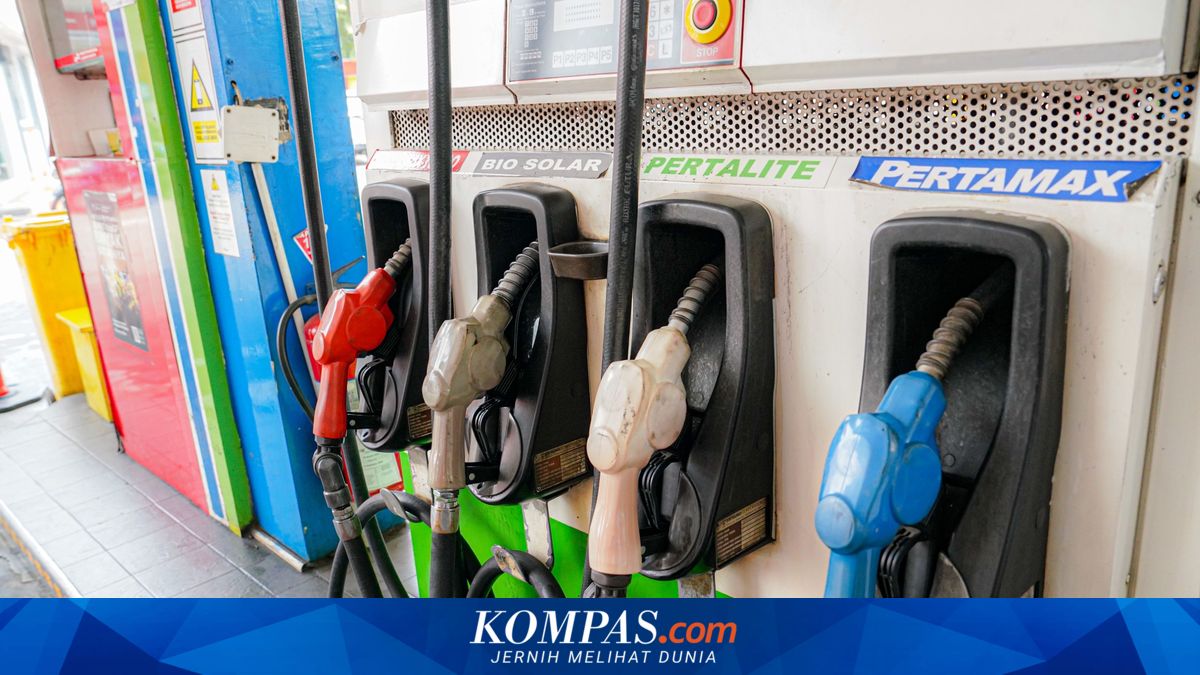
JAKARTA - The government has confirmed that the prices of subsidised fuels such as Pertalite and Solar will not increase as long as the average global oil price remains below $97 per barrel. Meanwhile, adjustments to non-subsidised fuel prices are still under review and will be announced once the process is complete. This certainty provides short-term stability. However, pressures from global oil prices and the trend of rising energy costs in various countries remain factors that need to be monitored going forward. Energy conversion expert and lecturer in engineering at the Bandung Institute of Technology (ITB), Tri Yuswidjajanto Zaenuri, assesses that in a scenario of rising non-subsidised fuel prices, a shift in consumption to subsidised fuels is highly likely. “Certainly, there will be an increase in registrations to obtain barcodes for purchasing subsidised fuels. Although there is a purchase limit of 50 litres per day for subsidised fuels, this limit is too lenient,” said Tri to Kompas.com on Tuesday (7/4/2026). According to him, the rise in non-subsidised fuel prices will still trigger chain effects on the economy, even if not all people can access subsidised fuels. “Transportation costs will increase, travel tickets will become more expensive, and the prices of goods will rise. Even though it is the non-subsidised fuel price that increases, it will certainly produce such effects, because not everyone can obtain a barcode to buy subsidised fuels,” he stated. Therefore, Tri emphasises the importance of anticipatory steps from the government, both in regulating the distribution of subsidised fuels and controlling the impact of inflation.