
Risks Behind Total Social Media Bans for Teenagers, Psychologist Explains
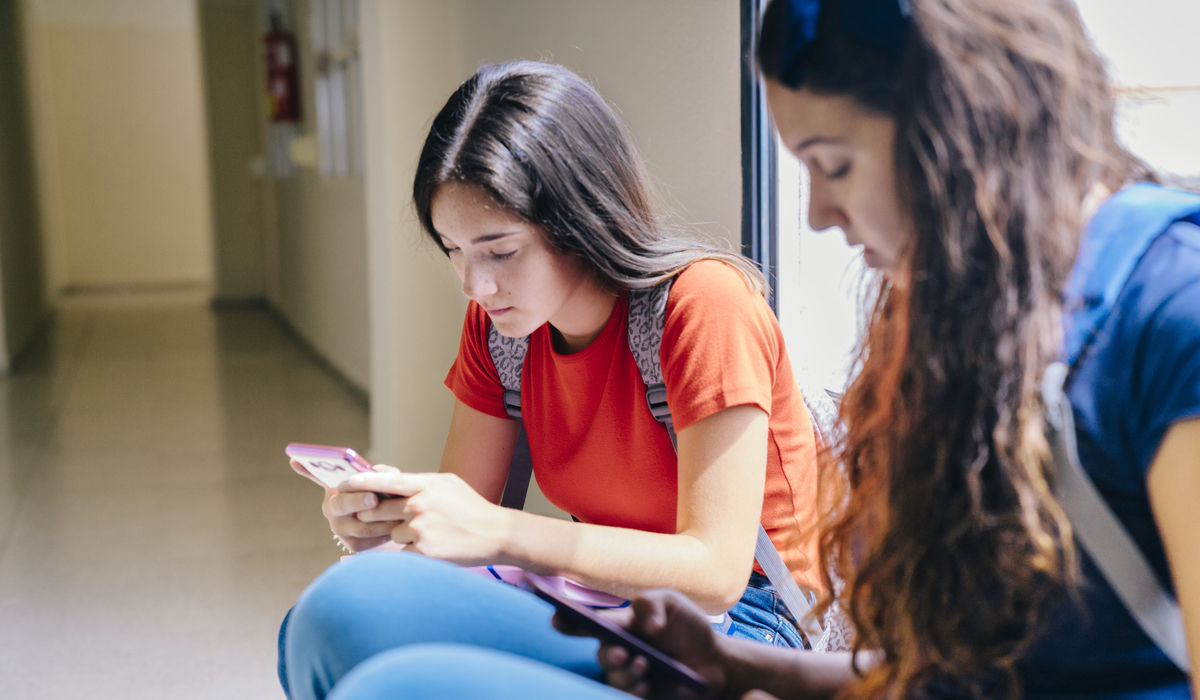
Facing the dynamics of the digital era in 2026, parental anxiety over the negative impacts of the internet often results in policies imposing total social media bans for teenagers. However, experts warn that this extreme measure to restrict social media access for adolescents could actually backfire on children’s psychological development.
Teresa Indira Andani, a clinical psychologist with a degree from Universitas Indonesia, argues that completely blocking social media access is not always effective and risks triggering stronger resistance from teenagers.
In developmental psychology, adolescents are in a phase of increased autonomy needs. They have a natural drive to be independent and have their capabilities recognised in making their own decisions.
Psychological reactance is an emotional response that emerges when someone feels their freedom is being excessively restricted, resulting in a strong motivation to perform the forbidden action as a form of freedom restoration.
“When rules feel too rigid, psychological reactance can emerge. This occurs when parents impose restrictions without opening space for dialogue,” said Teresa in her statement on Friday (13/3).
According to the psychologist, commonly known as Tesya, there are several negative consequences that parents should be aware of if they adopt an overly authoritarian stance regarding technology.
A more effective approach is to provide guidance and create arrangements agreed upon together. The primary focus should no longer be limiting from the outside, but rather building self-control from within the child.
“The goal is to help children learn to manage themselves. Self-control needs to be practised, not forced,” Tesya emphasised. Through open communication, household rules will not become a source of conflict, but rather serve as safety guidelines for teenagers in the digital world.