
Rising Plastic Prices Put Pressure on Industry
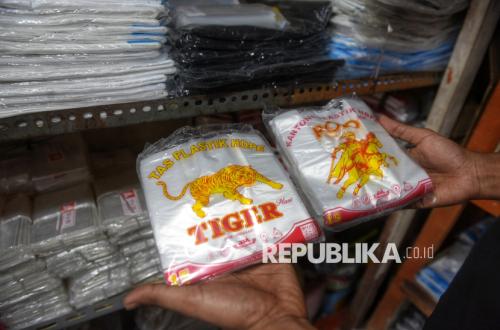
A surge in plastic prices is placing pressure on the manufacturing industry. Global supply chain disruptions are beginning to directly impact the availability of raw materials domestically.
This increase reflects the industry’s high dependence on imported raw materials. Founder and Chairman of Supply Chain Indonesia, Setijadi, stated that the plastic price surge is due to disruptions in the supply of imported raw materials. “This reflects disruptions in the supply of imported raw materials, which are the main inputs for various manufacturing sectors,” he said on Friday (17/4/2026).
He assessed that this situation is not merely a price increase but an early indication of a raw material stock crisis. In addition to plastics, disruptions are also occurring in chemicals such as sulphur and acids, metals like aluminium, and critical materials like helium.
“Many of these materials are difficult to substitute in the short term, thus directly impacting production processes,” said Setijadi.
Dependence on imports is seen to amplify risks. More than 70 per cent of the national industry’s raw material needs are still met from abroad, particularly in the chemical and petrochemical sectors.
According to Setijadi, these disruptions are in the form of a multi-material shortage, occurring across multiple types of raw materials simultaneously. The impact is not only price increases but also potential disruptions to material availability at factories.
In the short term, this situation can increase lead times, pressure production capacity, and drive up product prices in the market. Such risks could disrupt production continuity if not anticipated.
Setijadi warned that without quick mitigation, these disruptions could become a structural barrier for the industry. On the other hand, this situation also opens opportunities to strengthen the national supply chain resilience.
SCI recommends several steps, from diversifying supply sources to strengthening the domestic raw materials industry. Additionally, improving supply chain visibility and utilising technology are deemed important for detecting disruptions earlier.
Developing alternative raw materials is also considered necessary to reduce dependence on specific materials. These efforts require collaboration between the industrial sector and the government.
Strengthening the domestic upstream sector is key in the long term. Integrating the supply chain from upstream to downstream is expected to enhance the industry’s resilience against global pressures.