
Rising Plastic Prices Pressure SMEs and Shift Industry Towards Recycling
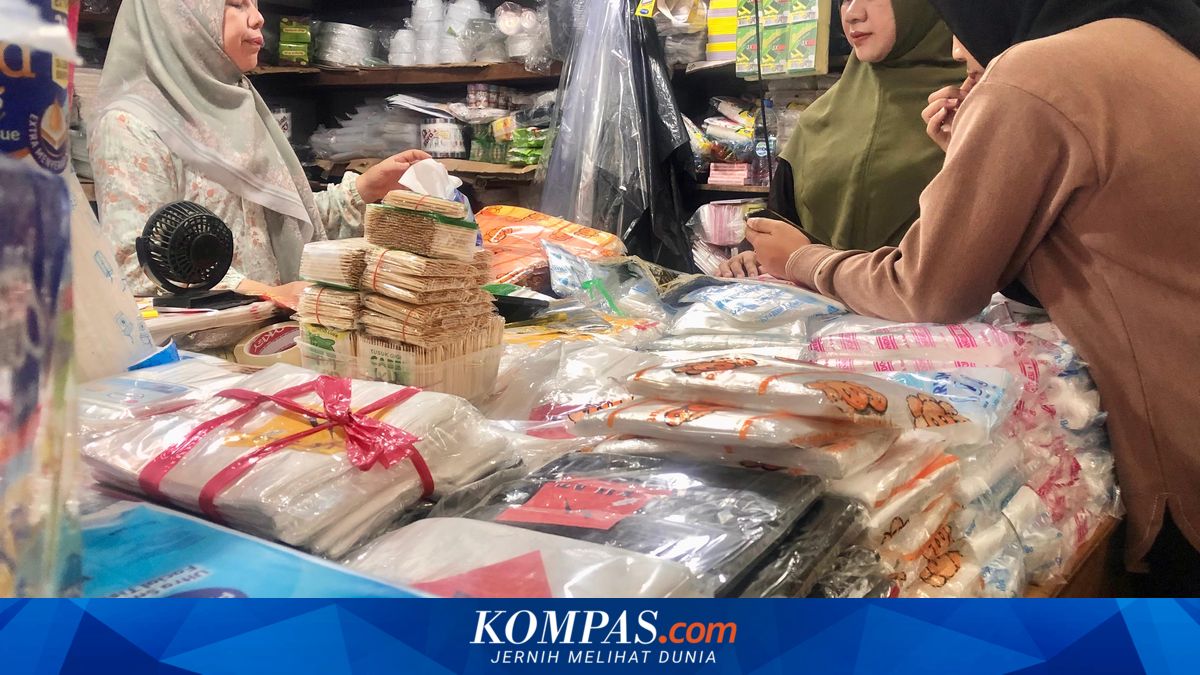
JAKARTA — The surge in plastic prices over the past few weeks has become a significant pressure on micro, small, and medium enterprises (MSMEs), especially in the food and beverage sector that relies on single-use packaging.
This increase in plastic prices is triggered by global supply chain disruptions due to the escalation of conflicts in the Middle East, which impacts the distribution of naphtha, the main raw material for petrochemical-based plastics.
This situation has driven up domestic plastic prices by 30 to 80 per cent in April 2026.
“Far before entering Ramadan, it was still Rp 10,000. Then it gradually increased over a week, a week, a week by Rp 500, up Rp 700, various increases until today, the peak of which we project at 50 per cent,” said Reynaldi.
Minister of Industry Agus Gumiwang Kartasasmita explained that the pressure on plastic raw material supplies is inseparable from the disruption of the global supply chain, particularly naphtha.
“The escalation of conflicts in the Middle East region has triggered a supply correction in industrial sectors that depend on naphtha as the main raw material. Considering that plastic is a derivative product from the petrochemical process based on petroleum, disruptions in global distribution and production routes indeed exert pressure on the upstream cost structure,” he stated.
General Secretary of the Olefin Aromatic Plastic Industry Association (Inaplas) Fajar Budiono said that around 70 per cent of naphtha supply was temporarily halted due to the conflict, which also affects distribution routes such as the Strait of Hormuz.
“They have started to dare to use a mixture of recycled material with virgin material or pure plastic raw material,” said Fajar.
He explained that the limitation of raw materials is pushing the industry to make various adjustments to continue production.
The impact of the plastic price increase is most felt in the downstream sector, particularly MSMEs. Expert in Cooperative and MSME Economics from Airlangga University (Unair) Atik Purmiyati emphasised that small business actors face significant cost pressures.
“The increase in plastic prices will add to production costs and can erode business profits,” said Atik, quoted from Unair’s official website, Friday (10/4/2026).
This condition is worsened by Indonesia’s high dependence on plastic raw material imports, as well as limited capital and human resources among MSMEs.
Dean of the Faculty of Economics and Business at Muhammadiyah University of Malang, M Sri Wahyudi Suliswanto, views this situation as an unavoidable structural cost pressure.
“When the international supply chain is disrupted and oil prices rise, the impact is immediately felt domestically. This shows that we are not yet self-sufficient,” he said, quoted from the official website.
To keep production running, the plastic industry is beginning to adopt various strategies. One of them is the use of recycled materials as a substitute for part of the raw materials.