
Rising Plastic Prices: A Turning Point to Change Single-Use Habits?
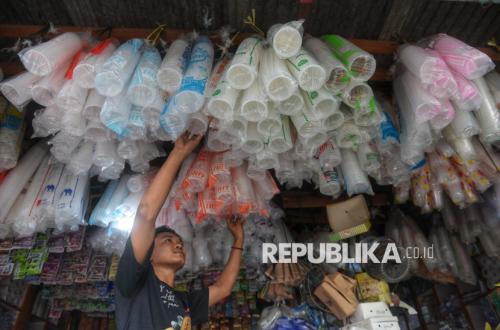
The rise in plastic prices is increasingly felt amid widening pressures on living costs. As a derivative of oil and gas, plastic prices are rising in tandem with the global surge in energy costs.
According to a World Bank report, economic growth in East Asia and the Pacific is projected to slow in 2026. One of the causes is the increase in energy prices due to conflicts and global uncertainties. The impacts are widespread, from production costs to food prices.
This rise is not only felt by industries but also by the public. Goods prices are increasing, while purchasing power is under pressure.
Previously, economist Yanuar Rizky stated that the impact of energy even extends to the agricultural sector. Rising gas prices are driving up ammonia costs as a raw material for fertiliser. “This is not just about energy; it will also spill over into food inflation,” he said.
This means that the burden on society is increasing from various sides, including from things that have long been considered minor, such as plastic packaging. Amid these conditions, the rise in plastic prices could become the starting point for change.
For a long time, single-use plastic has been hard to abandon because it is cheap and practical. When its price starts to rise, society has a stronger reason to reduce its use.
Head of Marketing at Semen Merah Putih, Nyiayu Chairunnikma, said that simple steps can actually already be taken. For example, bringing your own shopping bag, using a refillable water bottle, or bringing a food container when buying food outside.
These habits are starting to be seen, especially in big cities. Sorting waste and reducing rubbish is also slowly becoming part of the lifestyle. “Caring is not just about programmes, but about habits. Big changes always start from small steps done together,” she said.