
Rising Petrol Prices Prompt Thailand to Promote WFH and Encourage Residents to Abandon Private Cars
Rising global energy prices are once again pressuring various countries, particularly in Asia, which remain heavily reliant on oil and gas imports. The impact is now increasingly felt in daily life, from higher transportation costs to the threat of rising goods prices.
In this situation, several countries are promoting energy efficiency measures. One initiative being revived is the work-from-home (WFH) policy, which is seen as capable of reducing fuel and electricity consumption.
The Thai government is calling on the public and private sector to jointly save energy. This appeal follows concerns over the impact of the Middle East conflict on global energy supplies.
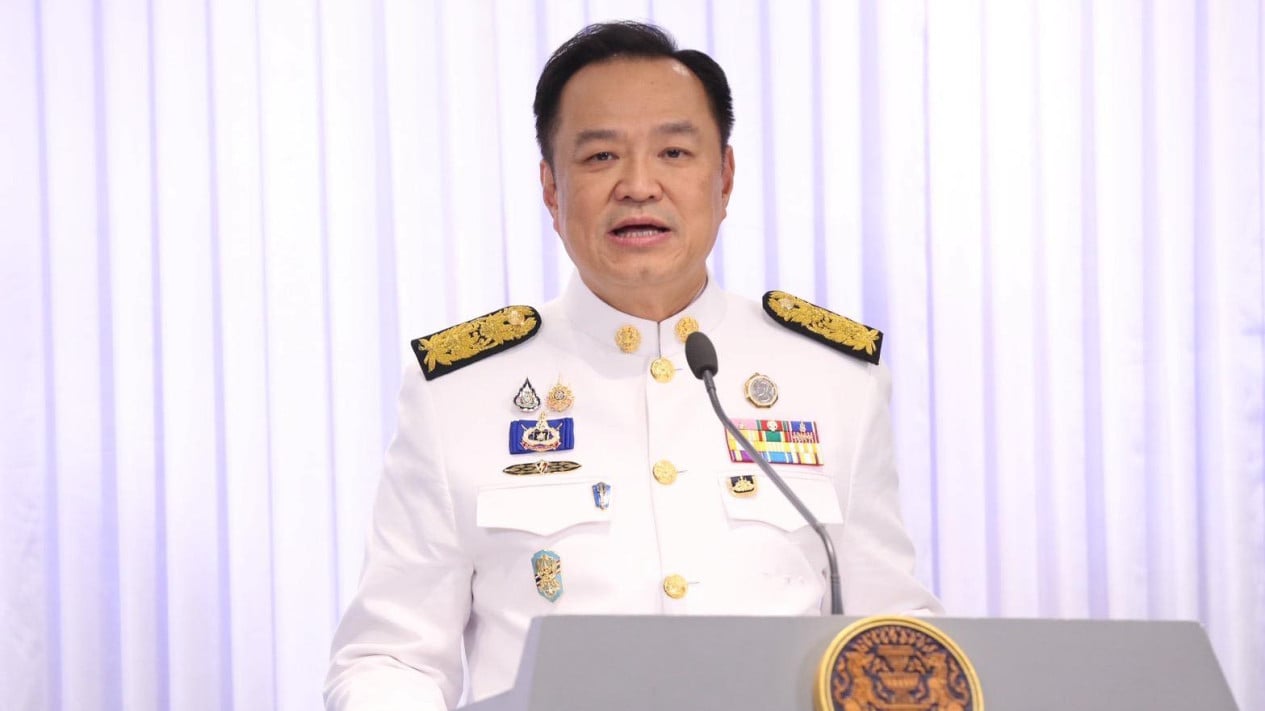
This was emphasised by Thai Prime Minister Anutin Charnvirakul. “I also request the cooperation of all citizens and the private sector to save energy in the same way, whether through WFH (work from home) or WFA (work from anywhere), reducing the use of private cars and switching to public transport, carpooling, and using electricity wisely,” he said, as quoted from The Guardian on Tuesday, 7 April 2026.
He also reminded that Thailand remains vulnerable despite having substantial oil reserves compared to other countries. “Although Thailand has higher oil reserves than other countries, we remain vulnerable as a country that imports large amounts of oil,” he added.
The Thai government has also stated its readiness to issue additional policies to protect the public from the increasingly widespread energy crisis.
Similar steps are evident in other Asian countries. For example, Sri Lanka and the Philippines have implemented a four-day workweek system for some public sector employees. Meanwhile, Vietnam is encouraging employees to work from home to curb energy consumption.
Previously, the Thai government had already reduced overseas official travel for employees. In addition, officials are asked to wear short-sleeved clothing without ties (except for formal events) to reduce air conditioning use.
On the commodities side, Thailand’s Ministry of Commerce is also taking control measures by tightening crude palm oil exports and regulating packaged palm oil prices. This policy aims to maintain domestic supplies amid rising biodiesel demand.