
Rising Oil Prices Threaten to Strain State Budget through Energy Subsidy Increases
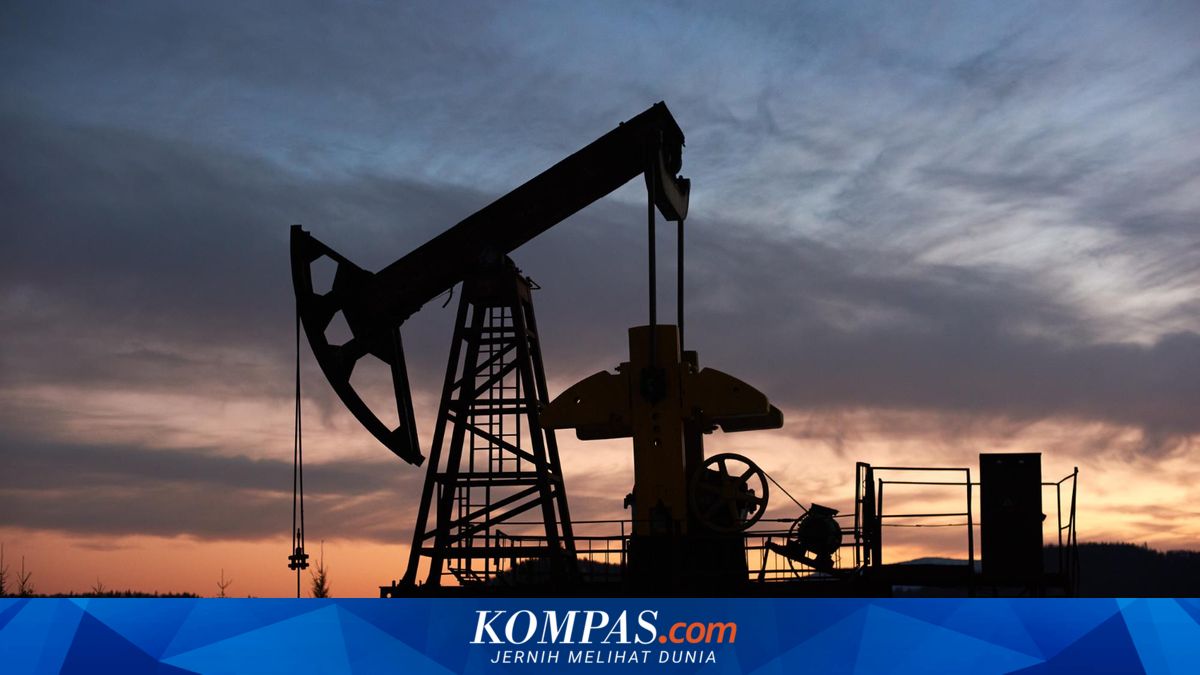
Jakarta — Rising global oil prices threaten to increase pressure on Indonesia’s state budget (APBN), particularly through growing energy subsidy requirements.
The government allocated Rp 203.4 trillion for energy subsidies in 2025, with projections indicating an increase to Rp 210.1 trillion in 2026. This budget covers electricity subsidies, household LPG, and fuel subsidies.
Fabby Tumiwa, Chief Executive Officer of the Institute for Essential Services Reform (IESR), stated that rising global oil prices have a direct impact on domestic energy subsidy requirements. “With fiscal sensitivity of approximately Rp 6.7 trillion for every US$1 increase in oil prices,” Tumiwa said in a press statement on Wednesday, 11 March 2026.
According to him, rising oil prices continue to exert pressure on the state budget, despite the country also receiving additional revenue from domestic oil production. “This means that rising oil prices continue to strain the APBN even with additional revenue from domestic oil production and/or gas sales,” Tumiwa explained.
Energy subsidies generally comprise three main components: electricity accounts for approximately 40 to 45 per cent, LPG approximately 40 to 43 per cent, and fuel approximately 12 to 15 per cent of total energy subsidies.
Household LPG subsidies reached Rp 68.7 trillion, supporting the distribution of approximately 8.5 million tonnes of 3-kilogramme LPG for household cooking needs.
Electricity subsidies reached Rp 89.1 trillion, primarily to maintain electricity tariffs for low-capacity customers such as 450 VA and 900 VA users. Fuel subsidies were recorded at approximately Rp 26.1 trillion.
In 2026, total energy subsidies are projected to increase to Rp 210.1 trillion. Electricity subsidies represent the largest component at approximately Rp 104.6 trillion, followed by household LPG subsidies at Rp 80.3 trillion and fuel subsidies at approximately Rp 25.1 trillion.
If Brent crude prices rise by US$1 per barrel, the country is estimated to gain additional revenue from domestic oil production of approximately Rp 3.7 trillion.
However, this increase also raises energy subsidy requirements. Additional fuel subsidy burden is estimated at Rp 5.13 trillion, LPG subsidies at approximately Rp 1.4 trillion, and electricity subsidies at approximately Rp 3.9 trillion.
Based on these calculations, the net fiscal impact on the state budget is estimated at approximately minus Rp 6.7 trillion for every US$1 per barrel increase in global oil prices.
In recent days, geopolitical tensions in the Middle East have also driven surges in global oil prices. Brent crude oil prices rose from approximately US$70 per barrel to more than US$82 per barrel, even temporarily reaching US$110 per barrel.
Should oil prices stabilise at around US$80 per barrel, or rise approximately US$10 from the APBN macroeconomic assumption, additional energy subsidy burden is estimated to reach approximately Rp 67 trillion.
Tumiwa believes that to reduce this pressure, the government must pursue medium-term strategies through restructuring energy consumption patterns. These measures include transport electrification, migration towards induction cookers for certain households, and development of rooftop solar power generation (PLTS) to reduce dependence on fossil fuels.