
Rising Oil Prices Strain State Budget, Eddy Soeparno Offers Solutions
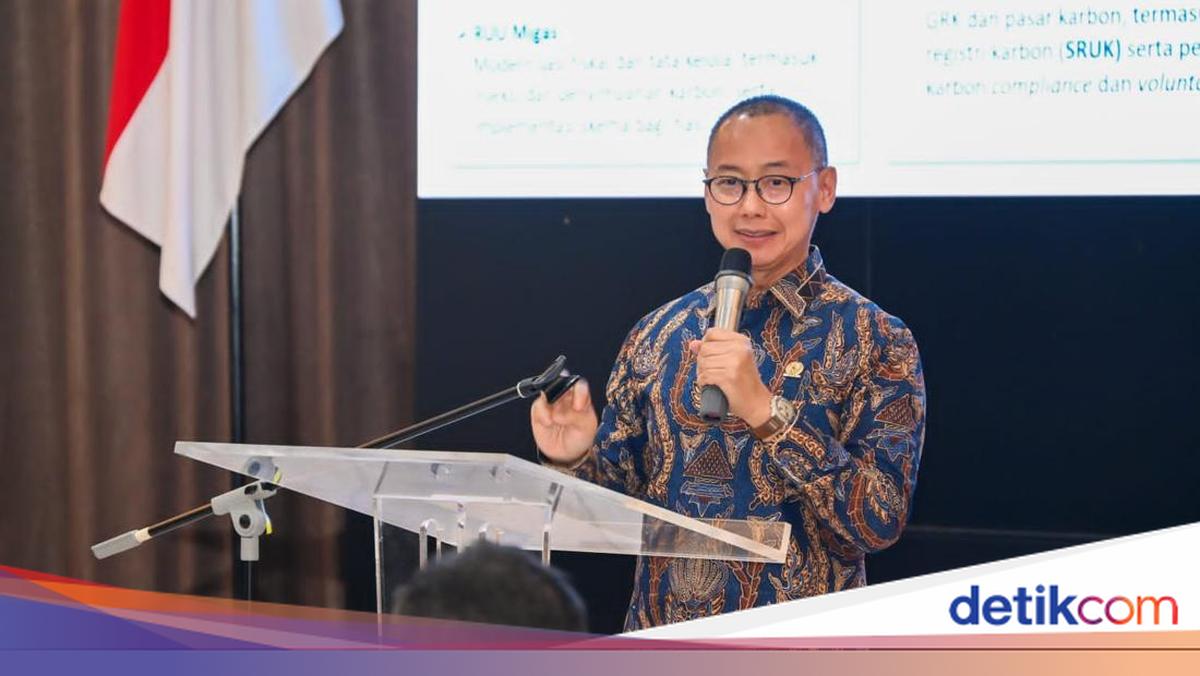
MPR Deputy Chairman from the PAN faction, Eddy Soeparno, has responded to the potential breach of the state budget deficit to 3.18-4% resulting from increased fiscal pressures due to soaring fuel prices. He is confident that the government’s economic team will find appropriate solutions without burdening the public.
Eddy also appreciated the swift action taken by the government’s economic team in projecting the impact of the Middle East conflict on the national economy, including the potential increase in budget deficit in 2026.
“Since the outbreak of the Middle East war, I have emphasised the importance of being vigilant in anticipating soaring fuel prices, Rupiah depreciation and disruptions to our imported fuel supply. Fiscal resilience and reliable fuel supply are key to Indonesia’s ability to safely navigate this highly disruptive geopolitical turmoil,” said Eddy in a statement on Sunday (15 March 2026).
Eddy stated that the government could issue a Government Regulation in Lieu of Law (Perppu) to expand the budget deficit beyond 3% of GDP. However, he warned the government to remain cautious of the risk of sovereign rating downgrades if fiscal policy and budget management are deemed imprudent.
He added that the government currently faces a difficult choice between tightening its belt by temporarily cutting various budget-financed activities, or taking on new borrowing to cover the widening budget deficit.
“The first option appears to be implementable more quickly, with the caveat that budget cuts will not slash economic growth. This means the government continues to provide social safety nets such as social assistance, cash transfers and electricity subsidies (for 450 and 900 kVA users), to maintain public purchasing power,” he said.
“The second option is also available, although with Indonesia’s credit rating declining, the cost of new borrowing will certainly increase,” he continued.
Going forward, the Doctor of Political Science from the University of Indonesia was optimistic that government policy would continue to prioritise economic resilience and maintain public purchasing power in the face of potential economic contraction from prolonged conflict.
“We have experienced COVID-19 whilst ensuring that basic public needs were met during economic slowdown. Since our fiscal space is currently limited, the government’s economic team needs to quickly formulate priorities for future budget spending so that every Rupiah spent drives economic growth,” he emphasised.
Finally, Eddy urged that potential disruptions to energy supply and logistics chains be anticipated and solutions sought as early as possible.
“Various countries’ efforts to secure their domestic energy and food supplies require Indonesia to do the same. The priority is to achieve reliability rather than availability of supply, and going forward, to strengthen Indonesia’s energy resilience through accelerating energy transition and increasing domestic oil production,” he concluded.