
Rise in Measles Cases, Partly Caused by Declining Immunity Post-Pandemic
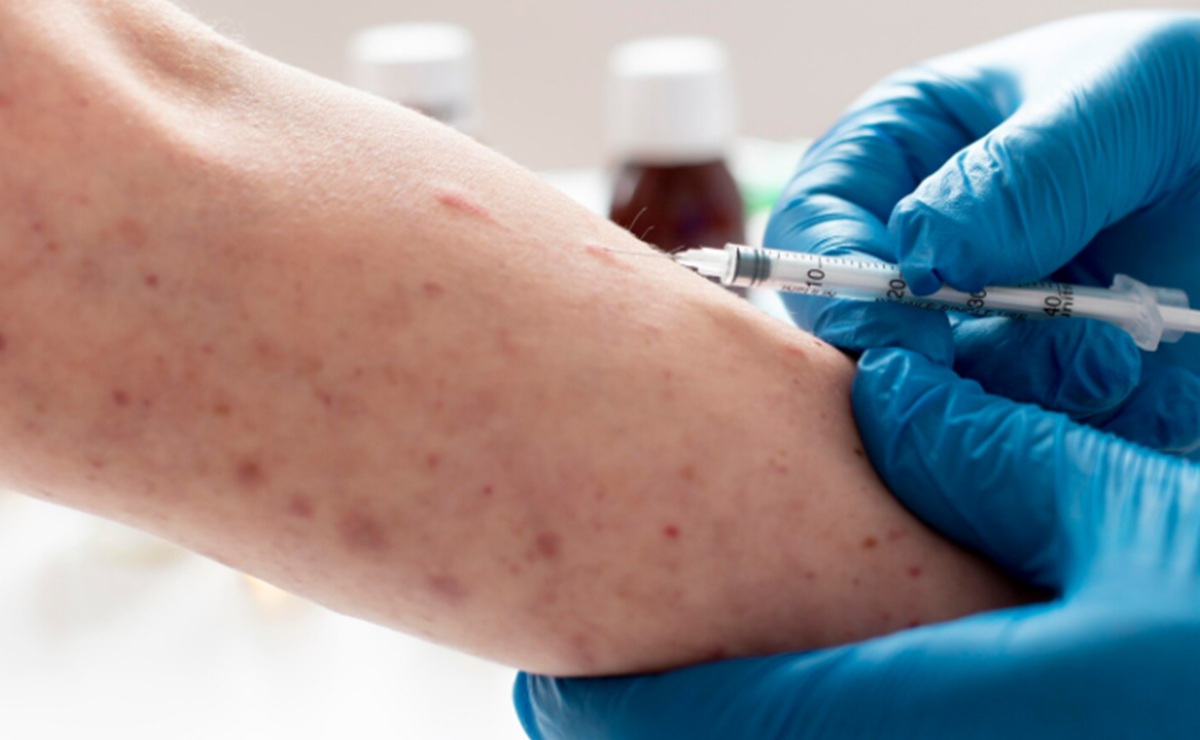
An epidemiologist from Griffith University, Dicky Budiman, stated that following the COVID-19 pandemic, there has been a decline in communal immunity, which is one of the causes of the increase in measles cases. “Speaking of this year and last year, especially during the pandemic and immediately after, there was a drop in vaccination coverage,” Dicky said, as quoted from Metrotvnews.com. He explained that scientifically, the main factor in the rise of measles cases is the decline in complete measles vaccination coverage. Measles vaccination is administered in two doses, with a target of over 94 per cent. “If both coverages are below that, the potential for a measles outbreak increases in risk,” he clarified. Meanwhile, the Ministry of Health reported that measles findings in Indonesia have reached 10,301 confirmed cases up to mid-March 2026. This data includes 13,046 suspects with eight deaths. There are 54 Extraordinary Events (KLB) recorded across 37 districts/cities in 13 provinces. Acting Director General of Disease Control and Prevention at the Ministry of Health, Andi Saguni, urged the public to remain vigilant even though the trend has shown a decline since the end of February. As a precautionary measure, the government is accelerating the implementation of Outbreak Response Immunization (ORI) and Catch-Up Measles-Rubella (MR) Immunization in affected areas and risk zones. This immunisation programme is provided free of charge in 102 districts/cities, with the main target being children aged 9-59 months. Services are available at various strategic points for easy access, from community health centres, integrated health posts, schools (kindergarten/early childhood education), places of worship, to Lebaran travel service posts. “The government continues to carry out rapid responses to prevent wider transmission,” Andi said. The Head of the Depok Health Office, Devi Maryori, emphasised measles prevention through monitoring, immunisation, and public health education. The measles vaccine contains weakened measles virus, so it does not have the ability to cause severe infection in vaccinated individuals. Measles is not just a mild disease with red rashes on the skin. Behind its seemingly simple symptoms, this virus can attack the lungs to the brain. Be aware of the dangers of measles that can trigger fatal complications such as encephalitis and pneumonia. This disease is caused by a virus that spreads through saliva droplets when coughing or sneezing, direct contact with sufferers, or objects contaminated with the virus. Low measles and rubella (MR) immunisation coverage in 2022; the Ministry of Health found 469 children with measles and rubella symptoms in Central Papua.