
Riprap and the Future of Ampenan's Coastline
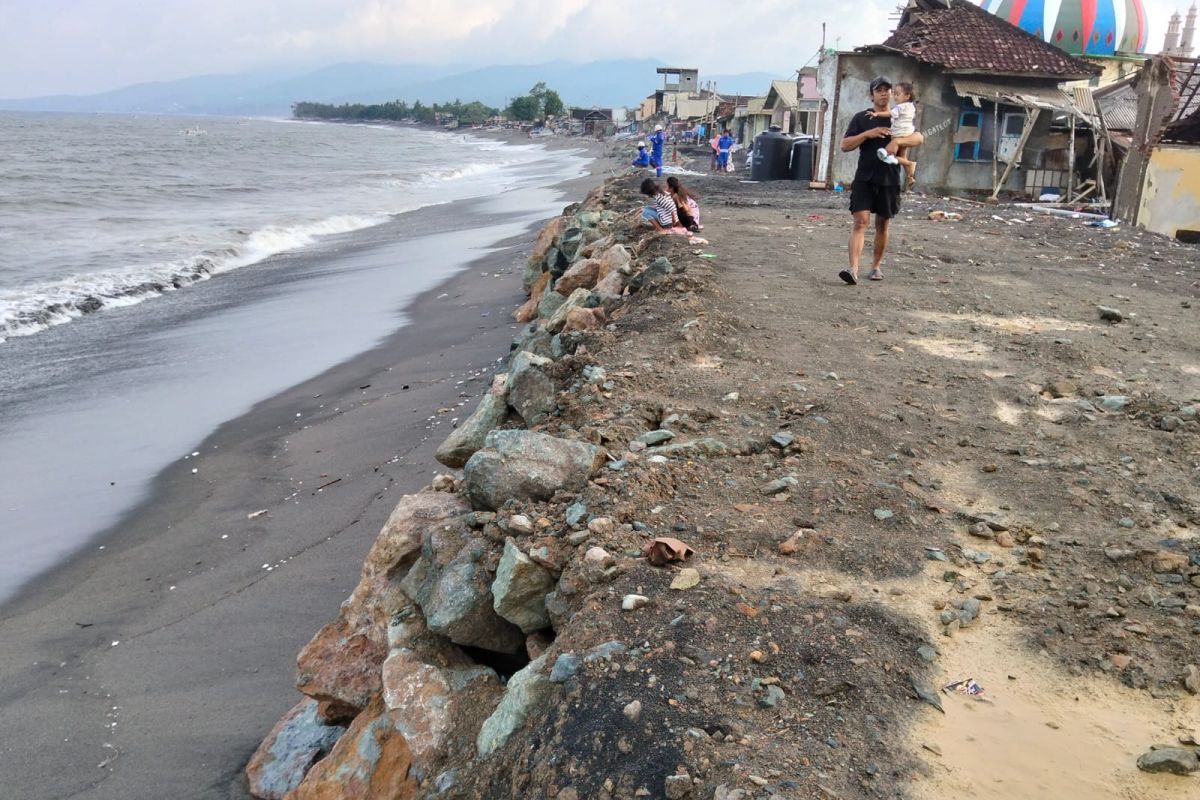
Should this area be completed, Ampenan’s coastline would not only function as a traditional fishing village but also as a more modern and well-organised centre of economic activity.
Mataram (ANTARA) - The sound of waves along Ampenan’s coastline used to be soothing. For coastal residents in the city of Mataram, that sound was nature’s music that accompanied fishermen, fish traders, and even tourists who come to enjoy the sunset.
The beach also holds a long memory as a trading hub since the heyday of Ampenan Port, the old port that once served as Lombok Island’s economic gateway, in West Nusa Tenggara (NTB).
However in recent years, the sound of waves has taken on a different meaning. For residents who live only a few metres from the shoreline, the waves that arrive each west monsoon are no longer just natural rhythm but a danger signal.
Coastal erosion continues to eat away the coastline, while high tides sometimes enter the yards and even wash away buildings that stood too close to the sea.
In the coastal villages of Ampenan, erosion is no longer an entry in a geography textbook. It arrives as a reality that gradually steals residents’ living space. Each west monsoon, that worry returns with waves larger than usual.
Amid this situation, the need for coastal-protection infrastructure becomes increasingly urgent. Without adequate barriers, wave energy directly strikes land and erodes the foundations of buildings.
For residents, coastal protection is no longer a matter of a construction project but a matter of security to remain living in their hometown.
This is where the concept of riprap, or a arrangement of rock to break waves, is seen as both a technical solution and a long-term strategy to maintain the stability of the coastal area.
Preserving the coastline