
Rinjani Embroiders Tourists' Steps
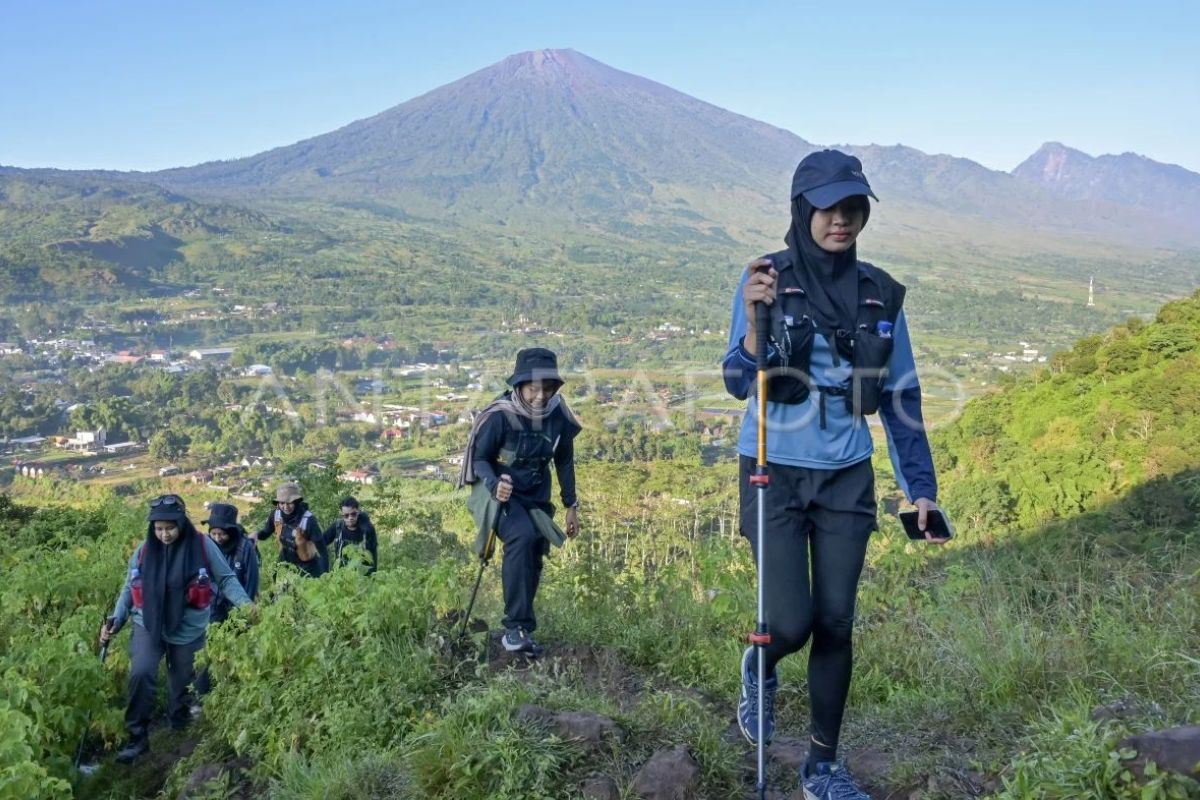
The sustainability of Rinjani tourism requires collaboration among the government, managers, local communities, and tourists, all aligned in a shared awareness. Mataram (ANTARA) - The foothills of Mount Rinjani in Sembalun, East Lombok Regency, West Nusa Tenggara (NTB), always become a magnet for domestic tourists during every holiday season. For instance, during the 2026 Eid holidays, this area was crowded with visitors from Jakarta, Bali, Sumbawa, and local regions. Since 21 March, accommodations and popular destinations such as Pergasingan Hill and Anak Dara Hill have been fully occupied, with some lodgings recording full bookings for an entire week. This phenomenon not only demonstrates the public’s longing to enjoy nature holidays but also reaffirms Sembalun’s position as a flagship destination in NTB. The presence of tourists is more than just statistics. Local business actors state that the surge in visits has a significant impact on the local economy. Accommodation packages offered range from Rp250,000 to Rp550,000, supplemented by plans to develop restaurants featuring local speciality menus, which further enhance Sembalun’s appeal as a family destination. However, the tourist influx also brings real challenges, particularly in terms of safety and infrastructure. For example, roads crowded with scooters and electric bikes still lack sufficient lighting. This indicates that tourism development must align with physical area planning to ensure tourists’ experiences remain comfortable and safe. Interestingly, although domestic visits have increased sharply, the segment of international tourists has declined. Global conflicts, such as the escalation of tensions in the Middle East, are affecting foreign tourists’ interest. This opens opportunities for local managers to focus more on the domestic market and strengthen community-based tourism experiences. For example, developing family attractions, cable cars, and children’s play facilities could serve as differentiators that not only increase tourist satisfaction but also encourage loyalty for future visits.