
Rice Prices in Tasikmalaya Remain High Despite SPHP Market
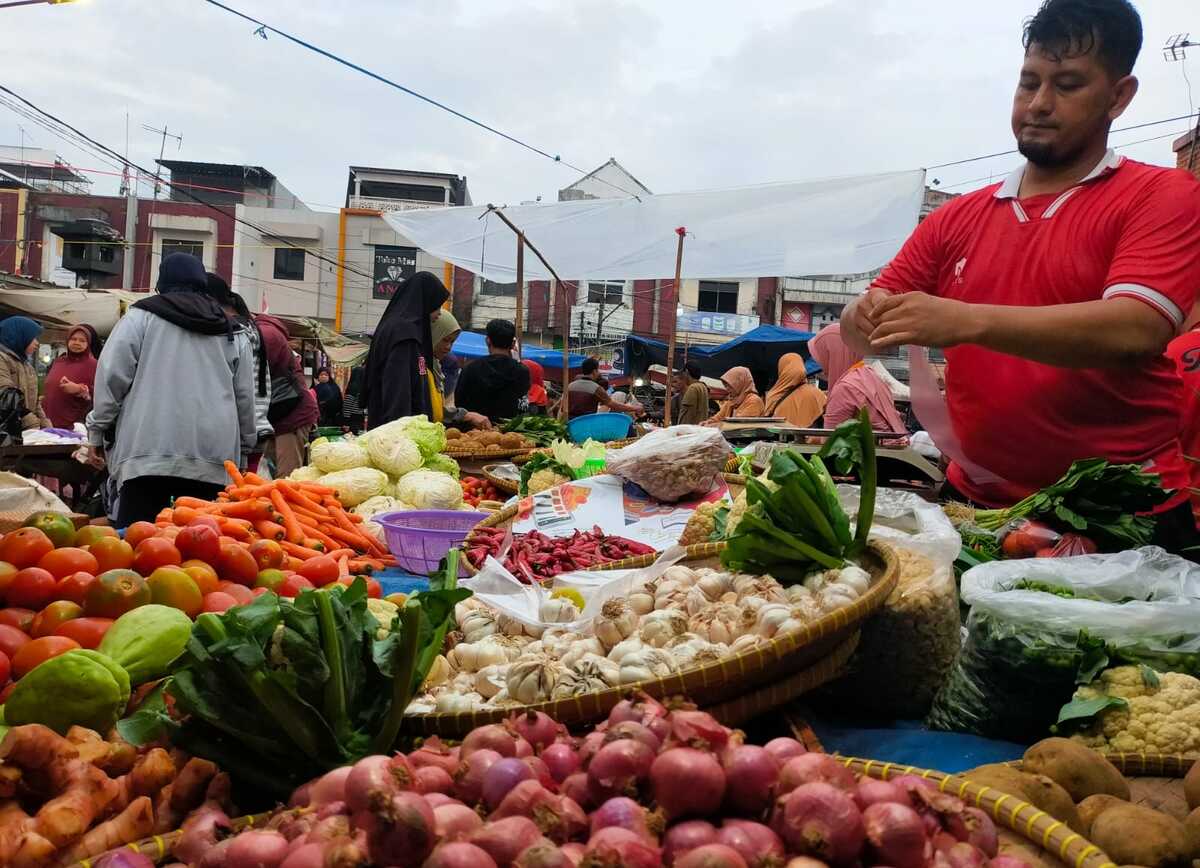
The Tasikmalaya City Government’s efforts to hold a Pasar Murah Rakyat through the Stabilisasi Pasokan dan Harga Pangan (SPHP) programme have not yet produced a significant impact on price reductions. As of Tuesday (3/3), the price of premium rice and a range of vegetable commodities in Tasikmalaya were still high and facing public complaints. The SPHP rice supplied by the local government in collaboration with Bulog is priced at Rp57,500 per 5-kilogram package. However, field observations show that premium rice at retailer or residents’ stalls remains stuck at Rp17,000 per kilogram, while in traditional markets it is sold at Rp14,000 per kilogram. Janah, 32, a resident of Kampung Bojongnangka, Sukamenak Village, Purbaratu District, says the persistent price rise of rice from 2023 to 2026 has become a heavy burden for households, especially since medium quality rice, which used to be readily available, is now increasingly scarce. “We’ve only just bought cheap rice from Bulog at Rp57,500 per 5 kg. Previously we always bought premium quality rice at Rp17,000 per kg. The rise in rice has also pushed up the cost of other necessities,” Janah said at the site of the Pasar Murah Pangan (GPM) in Purbaratu on Tuesday (3/3). Titik, 60, of Singaparna, has also felt the strain. To obtain a coupon for cheap rice, she had to queue since 08:00 WIB, and even though demand remains high, the government limits purchases to one bag per person. “The rise in rice is noticeable now because many policies are not well-targeted. Ramadan is approaching, and basic goods costs are rising sharply. People just want affordable prices and stable supplies, not expensive goods,” she said. In addition to rice, the sharpest increases have occurred in mushrooms and lambs’ chili. Mushrooms, which were around Rp14,000 per kilogram before Ramadan, have surged to Rp32,000 per kilogram. To sustain consumer purchasing power amid declining demand, traders in traditional markets are packaging vegetables into smaller portions or budget-friendly bundles. This approach is considered more affordable for buyers even though per-kilogram prices remain high. Although the local government continues to intervene through the Pasar Murah, observations at several locations show that shopper turnout at GPM outlets has not yet been even, despite the prices offered being below regular market rates.