
Rice Imports Pressed, Domestic Production Becomes Main Support
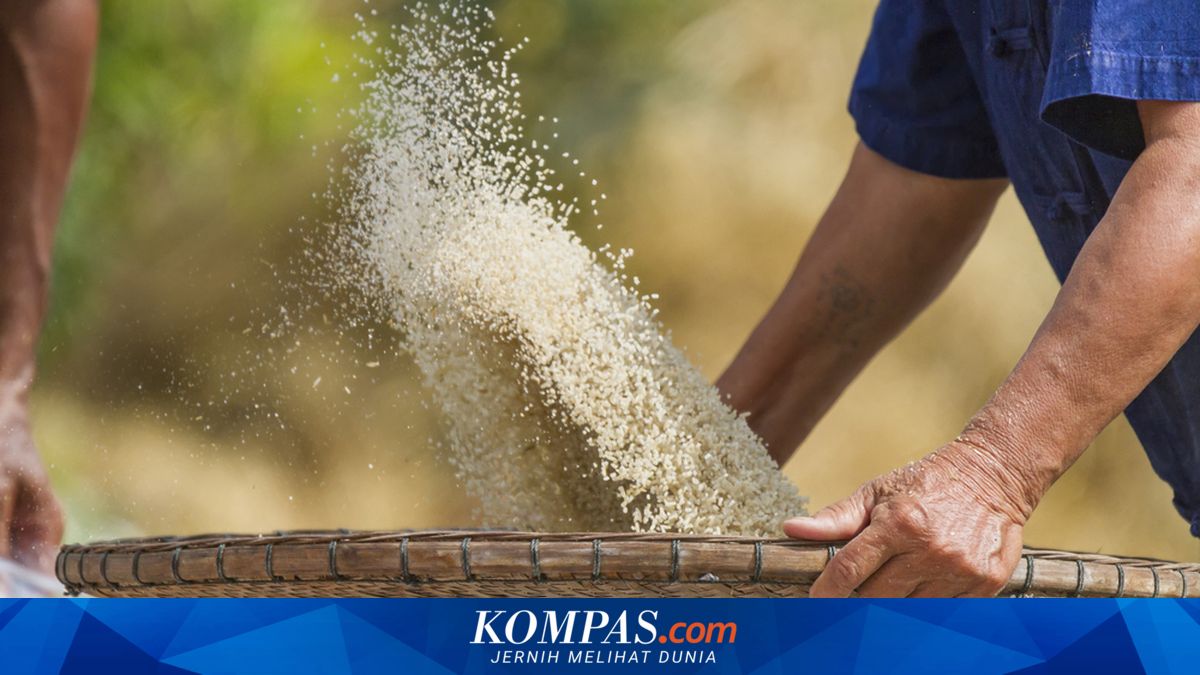
The performance of national rice production in recent years has shown significant strengthening. The government even recorded an important achievement with no rice imports throughout 2025, in line with increasing domestic production and the strengthening of government food reserves. This condition not only impacts domestic food security but also contributes to the dynamics of the global rice market. Head of the National Food Agency (Bapanas) Andi Amran Sulaiman stated that the strengthening of domestic production is the main factor in this change. “In the past, when Indonesia still imported rice up to around 7 million tonnes, the world food price could reach around 660 US dollars per tonne. When we succeeded in strengthening domestic production and significantly pressing imports, the world price also fell, even reaching around 340 US dollars per tonne,” said Amran, quoted from the official Bapanas website, Monday (4/5/2026). Based on the 2025 National Food Balance Projection, national rice production reached 34.69 million tonnes, while national consumption needs were around 31.16 million tonnes. This surplus becomes an important foundation in strengthening national food security. In addition, this condition also impacts world rice prices. Data from the Food and Agriculture Organization (FAO) shows that the international rice price index or FAO All Rice Price Index (FARPI) experienced a decline throughout 2025. In November 2025, the FARPI index even reached 96.9, the lowest point in the last four years. “Our rice stocks currently reach around 5.12 million tonnes. This is the highest during the existence of the Republic of Indonesia. Previously, in 1984, stocks were around 2.6 million tonnes,” said Amran. Entering 2026, data from the Central Statistics Agency (BPS) shows dynamics in rice production, especially in the early part of the year. Based on the March 2026 Area Sample Framework Survey (KSA) results, rice production in that month is estimated at 5.04 million tonnes. This decline is in line with the reduced harvested paddy area in March 2026, recorded at 1.61 million hectares, down 3.16 per cent compared to March 2025. In addition, paddy production in the form of Dry Milled Grain (GKG) also fell to 8.75 million tonnes from the previous 9.08 million tonnes. However, cumulatively, national rice production still shows an increasing trend.