
RI Bakom's Explanation on Meeting with Homeless Media: No Contract Involved
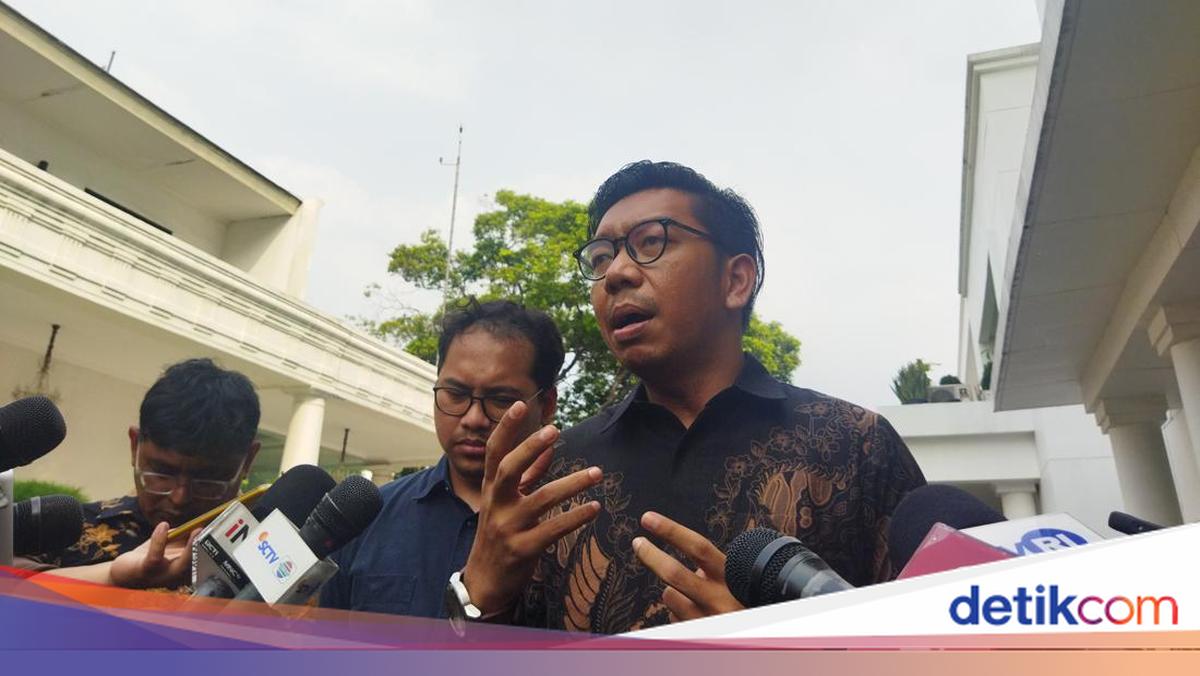
Kurnia explained that the meeting began when Bakom received an audience request from INMF on Tuesday (5/5/2026). In that meeting, both parties introduced themselves and discussed the development of the new media ecosystem in Indonesia.
“INMF explained that they have gathered to improve quality and development space. Some information they conveyed is that new media must have a company, address, and responsible party,” said Kurnia in his statement on Thursday (7/5/2026).
According to Kurnia, INMF also explained several standards applied in new media, such as the obligation to have a company, address, and responsible party. On that occasion, INMF also submitted a document titled New Media Forum 2026, which contains a list of new media actors.
“Bakom responded by asking several questions regarding the working mechanisms of new media. For example, about the cover both sides mechanism, which is usually a standard in conventional media. INMF answered that they have a method called verification,” he said.
Kurnia said that a day after the meeting, namely on Wednesday (6/5), Bakom held a weekly press conference regarding the Best Results Fast Programme. In that agenda, several new media attended along with conventional media.
According to him, Bakom views new media as communication partners in the sense that the government needs channels to convey information to the public, while the media needs access to information and news.
“Bakom considers new media as communication partners just like conventional media. Partners in the sense that the media needs news and the government needs to convey information to society,” he said.
In that press conference, the Head of Bakom RI, Muhammad Qodari, briefly mentioned that there are still several issues that need to be resolved between new media, the Press Council, and conventional media.
“However, Bakom’s view is that new media needs to be reached to improve quality and standards so that their products become increasingly high-quality,” said Kurnia.
“The mention of new media names in that press conference was based on the document given by INMF to Bakom in the meeting on 5 May 2026 as mentioned above,” he continued.
Kurnia assessed that the current media landscape has changed significantly compared to two to three decades ago. According to him, there are now at least four types of media: conventional media, new media, social media, and DFK media or Disinformation, Slander, Hatred.
“What is our common enemy is DFK media,” he said.
Kurnia emphasised that to date, there is no contract or binding cooperation between Bakom and INMF or the media listed in that document.
“Currently, there is no cooperation or contract whatsoever between Bakom and INMF or with any of the new media written in the INMF document. The term partner has been explained in Chronology point 2,” he said.
Kurnia assured that Bakom respects the independence of the media, both conventional and new media. The meeting conducted, he said, was solely to open communication channels and expand public information access.
“There is no contract, editorial direction, or form of partnership that binds certain media to support the government. Bakom views new media as an important part of the public information ecosystem that still has their respective independence. Bakom is open to criticism, corrections, and the cover both sides mechanism as part of healthy democracy,” he said.