
Revealed: United States and Israel Agreed on Timing of Attack on Iran Before Nuclear Negotiations
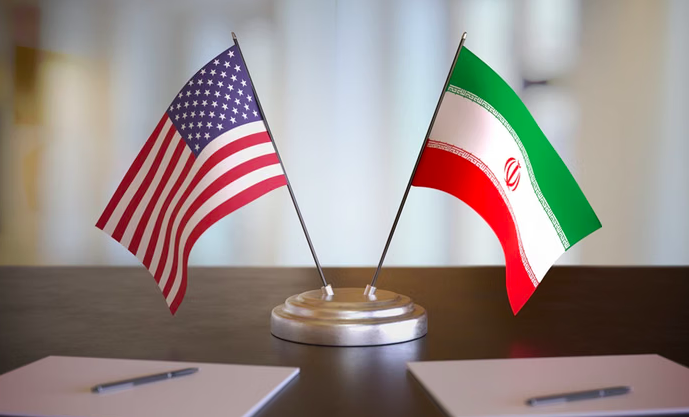
The United States and Israel have agreed on the timing of an attack on Iran one week before US-Iran nuclear negotiations in Geneva, according to reports citing US officials.
The agreement set Saturday as the time for carrying out the strikes, coinciding with the schedule of a meeting between Iran’s Supreme Leader Ayatollah Ali Khamenei and his senior aides at the government complex, according to Axios reporting on Sunday (1 March).
Jared Kushner, son-in-law of US President Donald Trump, and special US envoy Steve Witkoff assessed that the Geneva negotiations had little chance of producing an agreement, but nonetheless decided to attend to maintain the perception of diplomacy among Iranian officials.
During that meeting, Kushner and Witkoff contacted US Vice President JD Vance and conveyed that significant differences between the two sides remained unresolved, according to the report.
The third round of US-Iran negotiations regarding Tehran’s nuclear programme ended on Thursday evening in Geneva. On Saturday, the US and Israel launched a series of attacks against multiple targets in Iran, including Tehran.
The strikes reportedly caused damage and civilian casualties. Iran’s state television confirmed the death of Ayatollah Ali Khamenei as a result of the attacks.
Iran responded by launching missile attacks on Israeli territory and US military facilities in the Middle East region.
The Indonesian Government has called on all parties to exercise restraint and prioritise diplomatic solutions in response to the escalation of Middle East conflict.
President Prabowo Subianto stated Indonesia’s readiness to serve as a mediator to promote dialogue between the United States, Israel, and Iran.
Former Indonesian Vice President Jusuf Kalla expressed concern that the US-Israel attack on Iran would drive up global oil prices, with consequences for Indonesia including increased fuel prices. The escalation of this conflict has immediately drawn global attention to disruptions in global logistics supply chains that could weigh on the economies of many nations.
A member of Commission VIII of the Indonesian Parliament, Selly Andriany Gantina, has asked the government to prepare a scheme for returning Indonesian Umrah pilgrims. The conflict between Iran, the United States and Israel in the Middle East region has prompted calls for contingency planning.
Capital market analyst Hendra Wardana warned that the Indonesia Composite Index could weaken next week due to the escalation of tensions among Iran, the US, and Israel.
Iran has issued a 47-year commemoration of the 1979 Islamic Revolution. President Pezeshkian reaffirmed rejection of US aggression while remaining prepared for dialogue and verification of a peaceful nuclear programme.
Regional tensions have increased as the Islamic Republic of Iran has formally issued a Notice to Airmen (NOTAM) designating the airspace above the Strait of Hormuz as a “dangerous zone”.