
Revealed! The Reason BGN Temporarily Closed 302 SPPG Units in NTB
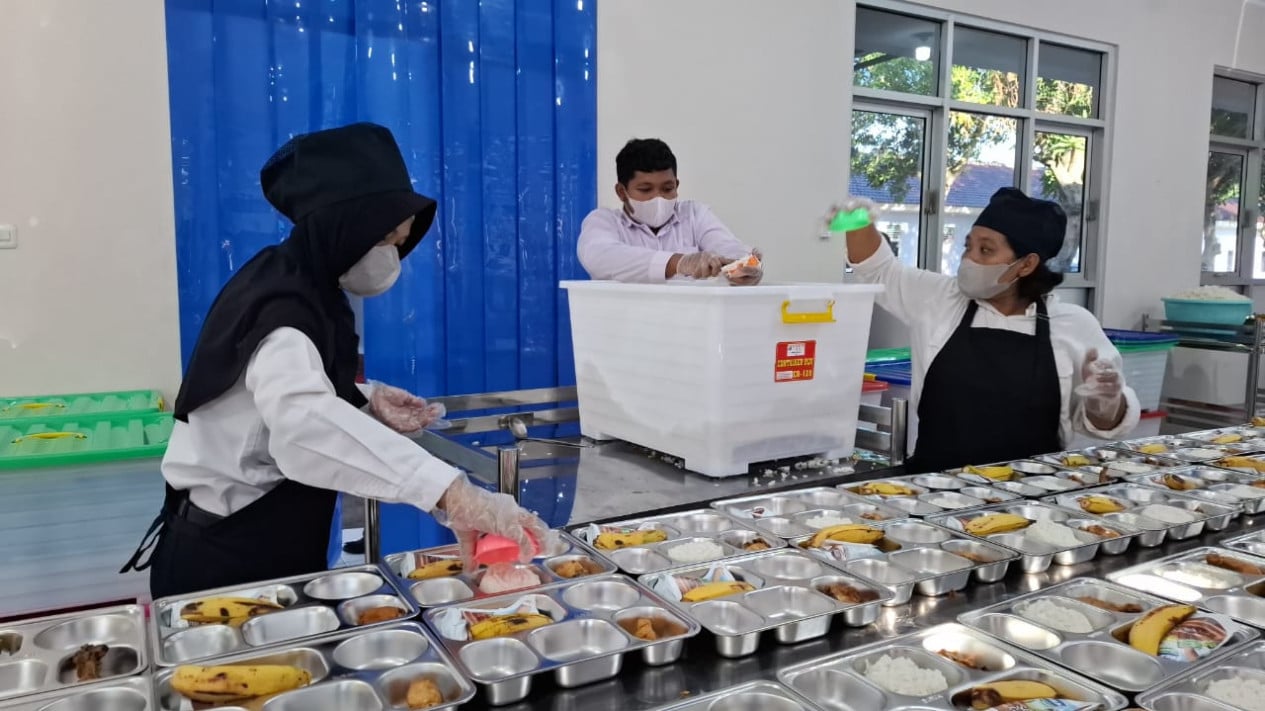
The National Nutrition Agency (BGN) has taken firm action by temporarily halting operations at hundreds of Nutrition Fulfilment Service Units (SPPG) in West Nusa Tenggara (NTB). This decision was made after discovering several violations of food safety standards.
NTB MBG Task Force Chairman, Fathul Gani, confirmed that 302 SPPG units have been temporarily closed by BGN. The policy is detailed in BGN’s official letter Number 1218/D.TWS/03/2026, dated 31 March 2026.
“Yes, that’s correct. A total of 302 SPPG units have had their operations temporarily suspended,” Fathul stated, quoted from Antara on Tuesday, 31 March 2026.
Fathul explained that the temporary closure was due to most SPPG units failing to meet basic requirements. One key issue is the absence of Hygiene Sanitation Certificates (SLHS) and Wastewater Treatment Installations (IPAL) that comply with standards.
“Considering the risks to production quality, nutritional standards, and food safety, BGN has decided to temporarily suspend SPPG operations,” he said.
Before this firm step, BGN had issued warnings to SPPG managers to promptly complete the necessary requirements. However, these appeals were ignored by some partners.
As a result, BGN opted to halt operations as a form of oversight and protection for the quality of the Free Nutritious Meals (MBG) programme services.
Fathul emphasised that the closure is temporary. BGN is still providing opportunities for all partners to quickly address deficiencies and complete the required documents.
“The revocation of the temporary operational suspension status can only occur after the SPPG submits evidence of improvements and valid supporting documents. Until that is fulfilled, the temporary closure remains in effect,” he clarified.
He also reminded that the MBG programme is not merely about food distribution but concerns the basic needs of children as the nation’s future generations.
Therefore, he hopes that all parties, including local governments at the regency/city level, will pay serious attention to food safety aspects and service quality.
“We hope this becomes a collective concern, especially regarding food safety and the quality of services to MBG beneficiaries,” Fathul concluded.