
Revealed! American Companies Secretly Add Chemicals to Food
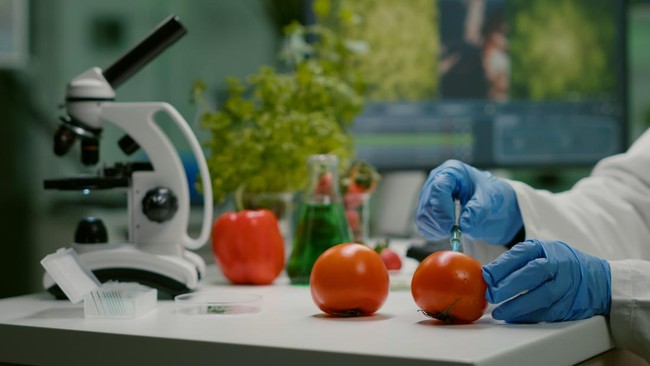
Jakarta, CNBC Indonesia - A recent investigation found at least 111 chemicals with unknown safety levels added to foods, beverages, and dietary supplements sold in the United States without notification to the U.S. Food and Drug Administration (FDA).
According to CNN International, the practice is enabled by a regulatory loophole known as ‘generally recognized as safe’ (GRAS), which allows companies to determine for themselves that a substance is safe to use without going through formal regulator review.
“Food companies decide for themselves to quietly add unreviewed chemicals into products, instead of following existing federal guidelines to ensure the ingredient is ‘generally recognized as safe’ or widely recognised as safe,” said Melanie Benesh, Vice President of Government Affairs at Environmental Working Group (EWG), a health and environmental advocacy organisation that conducted the investigation, quoted Saturday (7 March 2026).
To meet GRAS standards, companies should be able to show that new food ingredients are safe through broadly accepted scientific evidence available to the public. Notifying the FDA of such safety data is a common practice to ensure regulatory compliance. However, the step is voluntary, so manufacturers can legally determine that their products are safe.
“Producers are now routinely exploiting this GRAS loophole - thus increasingly becoming ‘generally recognized as secret’ rather than ‘generally recognized as safe’,” Benesh said.
The EWG investigation identified 49 chemicals used by industry in around 4,000 products listed in the USDA’s FoodData Central database, which provides public information on nutrition and food ingredients.
“Because the government has never reviewed these chemicals, consumers have no way of knowing whether these ingredients are safe or pose health risks that are not yet known,” she said.
Mathilde Touvier, Director of Research at the French National Institute of Health and Medical Research (INSERM) in Paris, said the GRAS loophole is legal in the United States, but difficult to justify scientifically or ethically.
“This is very troubling because companies are allowed to determine for themselves that the ingredients they use are GRAS, given the clear financial conflicts of interest,” said Touvier, who was not involved in the EWG’s investigation.
“Decisions about the safety of food chemicals should be based on independent assessments by public health authorities.”
The American Beverage Association and Consumer Brands Association, representing food and beverage manufacturers, did not respond when asked for comment.
Meanwhile, Sarah Gallo, Senior Vice President of the Consumer Brands Association, said her organisation supports GRAS reform through federal legislation that sets national standards on the safety and transparency of food ingredients.
“We support reforming GRAS as part of that legislation,” Gallo said, adding that the United States has one of the safest and most regulated food systems in the world.
Natural extracts:
Of the 49 chemicals found in foods, 22 are natural extracts such as aloe vera, cinnamon, cocoa, cranberry seed oil, grape skin, green coffee bean, hemp, lemon balm, and mushrooms.
Biochemist and author of the EWG’s investigative report, Maricel Maffini, said natural extracts can yield highly concentrated new compounds.
“When you start pulling substances from grape skins, aloe vera, or mushrooms, for instance, you could obtain extracts or mixtures of substances that are highly concentrated,” Maffini said.
She argued that such extracts should be tested first if they are to be used in products sold to the public.
The report also found green tea extracts that have not been reviewed by the FDA used in 901 products, including granola, energy bars, candy, ice cream, soft drinks, tea, drinking water, and seafood products.
Maffini explained there is a big difference between antioxidants from home-brewed green tea and green tea antioxidant extracts processed in a laboratory.
“It’s no longer green tea. It is a new substance that has been synthetically extracted to increase its availability as an antioxidant,” she said.
She added that high-concentration green tea extracts are known to be linked to estrogen hormone disruption and liver damage. There have been at least around 100 cases of serious liver damage in people who consumed concentrated green tea extract sold for weight loss or muscle recovery.
Aloe vera and mushroom cases:
The investigation also found aloe vera extracts that have not undergone FDA review used in more than 450 products, mainly fruit and vegetable juice drinks.
However, whole-leaf aloe vera extract that has not been purified is known to cause cancer. The FDA has even banned the use of one form of aloe vera in laxatives due to concerns about cancer risk in animals and kidney failure in humans.
The U.S. National Library of Medicine notes that herbal products are often considered safe because they are natural, though this is not always the case. Some herbs can even interact with prescription or over-the-counter medicines.
Touvier says the health impact of a substance depends on its form, dose, and interactions with other health conditions. She cites beta-carotene, safe in natural amounts from fruits and vegetables, but high-dose consumption can increase the risk of lung cancer, especially among smokers.
Also, mushroom extracts that have never been reported to the FDA