
Restructuring Waste Management in the Land of Gora
Waste management is a reflection of governance. It demands cross-sector coordination, consistent regulations, and public participation.
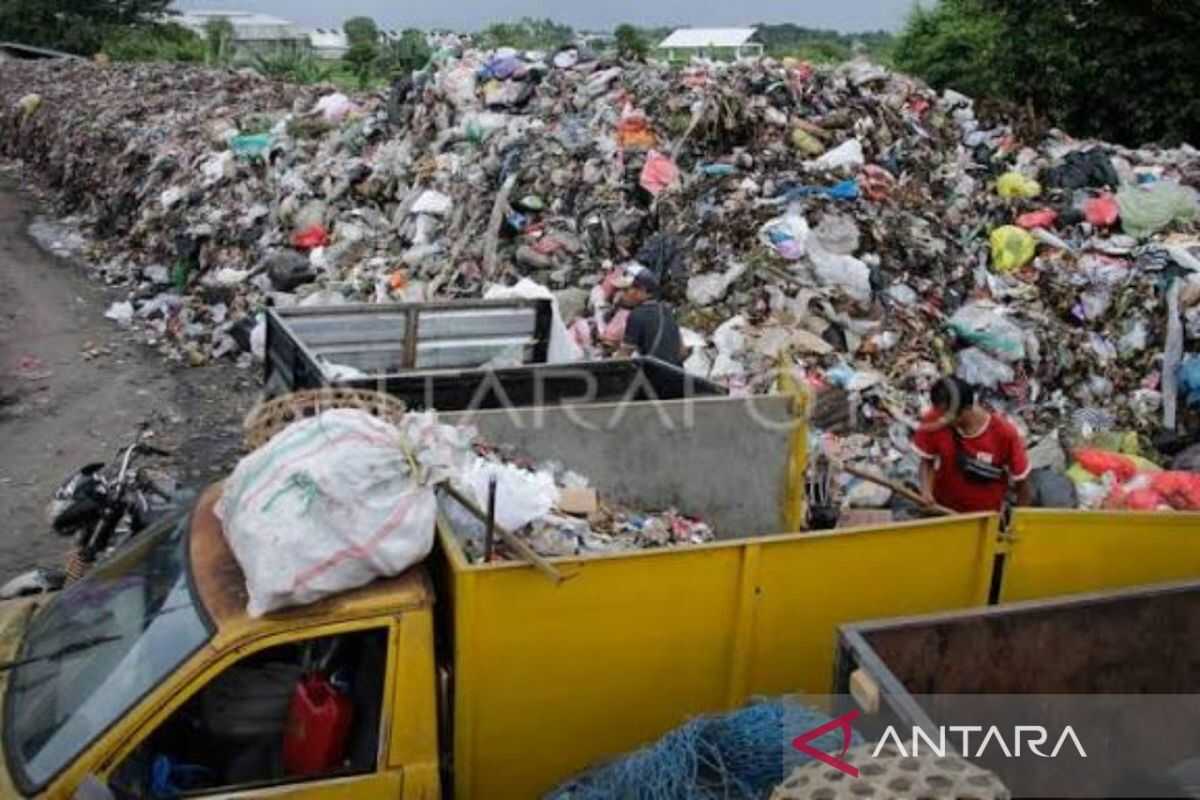
Mataram (ANTARA) – Every morning in various cities across Indonesia, queues of garbage trucks move towards landfills. Hundreds of tons of household, market, and shopping centre waste are dumped, levelled, and then covered.
The pungent smell and thin smoke become an almost daily sight at landfills. It is there that another face of development is seen, in the form of unwanted but never truly disappearing economic growth waste.
The issue of waste is not a new one in the country. Population growth, changes in consumption patterns, and a convenient lifestyle are driving waste production beyond management capacity.
Single-use plastics, food packaging, and household waste mix without adequate sorting. Some end up in landfills, while others are scattered in rivers and along coastlines, triggering health and environmental problems.
This general picture is also reflected in West Nusa Tenggara (NTB), also known as the Land of Gora. At the Regional Kebon Kongok Landfill, queues of trucks from the city of Mataram and West Lombok Regency are a daily sight.
Local government data shows that the amount of waste at the site reaches 300 to 350 tons per day. Approximately 50–60 per cent of this is organic waste. This figure conveys two messages at once: the large scale of the problem and the real opportunity for processing.
In the archipelago region that relies on tourism and marine conservation, waste is not just a matter of urban cleanliness. It is related to regional competitiveness, public health, and environmental dignity. As the capacity of landfills becomes increasingly limited, this issue can no longer be postponed.
Saturation point