
Restructuring GNE NTB
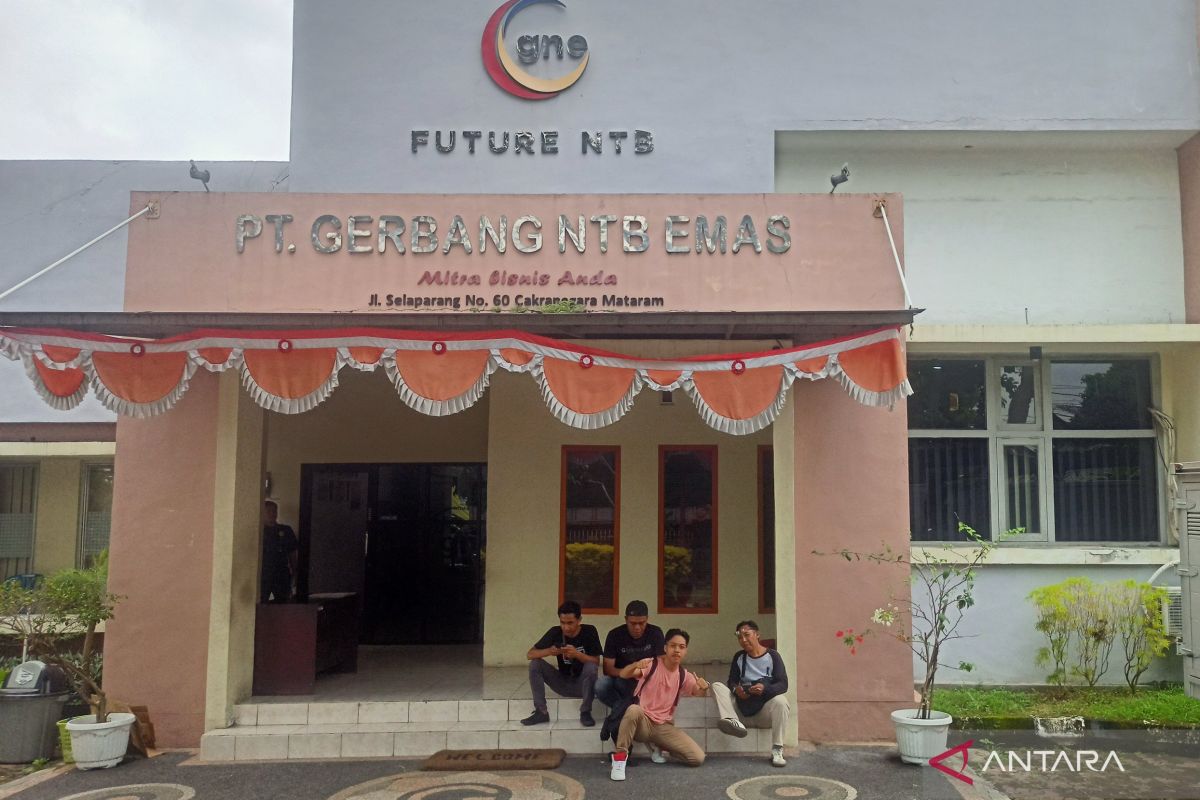
Amid financial pressures, the GNE issue has entered a new chapter as law enforcement authorities have begun investigations. This step affirms one important thing: every rupiah of regional funds must be accounted for. Mataram (ANTARA) - Regional Owned Enterprises or BUMDs have long been positioned as important pillars in driving regional economic independence. Amid the spirit of autonomy, BUMDs are expected to become engines of development, addressing market needs while providing tangible contributions to regional revenue. However, the reality on the ground does not always align with expectations. Not a few BUMDs face serious challenges, from weak governance, undirected business expansion, to financial pressures that lead to declining public trust. This picture is also evident in West Nusa Tenggara through the journey of PT Gerbang NTB Emas or GNE. Amid the growing momentum of regional development, increasing needs in the construction sector, and increasingly dynamic economic activities, the company is instead struggling to escape the burdens of the past. Since its establishment in 2006, GNE was envisioned as the government’s economic arm, capable of moving quickly to meet market needs while providing profits for the region. That hope was not without basis. Many regions in Indonesia have successfully turned BUMDs into drivers of the local economy, from the energy sector to food. However, GNE’s journey shows that good intentions alone are not enough. Behind the financial report figures lies a story of seemingly hasty decisions, expansive strategies, and the people within it who must face the consequences. Loss of Direction In its early phase, GNE tried to reach multiple sectors at once. From food distribution, construction, to the provision of clean water. In theory, this diversification appeared promising. The regional government has instruments to intervene in various strategic market sectors. However, in practice, the multi-business strategy became a weak point. When an organisation does not yet have a strong management foundation, expanding businesses is equivalent to enlarging risks. The company’s focus becomes blurred. Managerial energy is divided. Business decisions lose precision. This condition leads to classic problems. Financial performance declines, efficiency weakens, and debt begins to accumulate. The emerging data shows real pressure. Tax debt reaches around Rp5.4 billion, problematic credit around Rp14 billion, and collateral-based loans touching Rp24 billion. These figures are not mere statistics. Behind them are employees awaiting certainty, contractors hoping for payments, and public trust that is slowly eroding. At this point, the GNE issue is no longer just about business but also touches on the human dimension. When a BUMD is shaken, the impact does not stop at the financial balance sheet. It spreads to the lives of many people who depend on it. Furthermore, the regional government’s capital participation of Rp8 billion, which should have been a boost for expansion, was instead absorbed to cover old obligations. This indicates the company’s defensive position, surviving rather than growing. Business Risks and Accountability