
Restoring the Psychological Well-being of Children Affected by Floods Through Play and Art Therapy
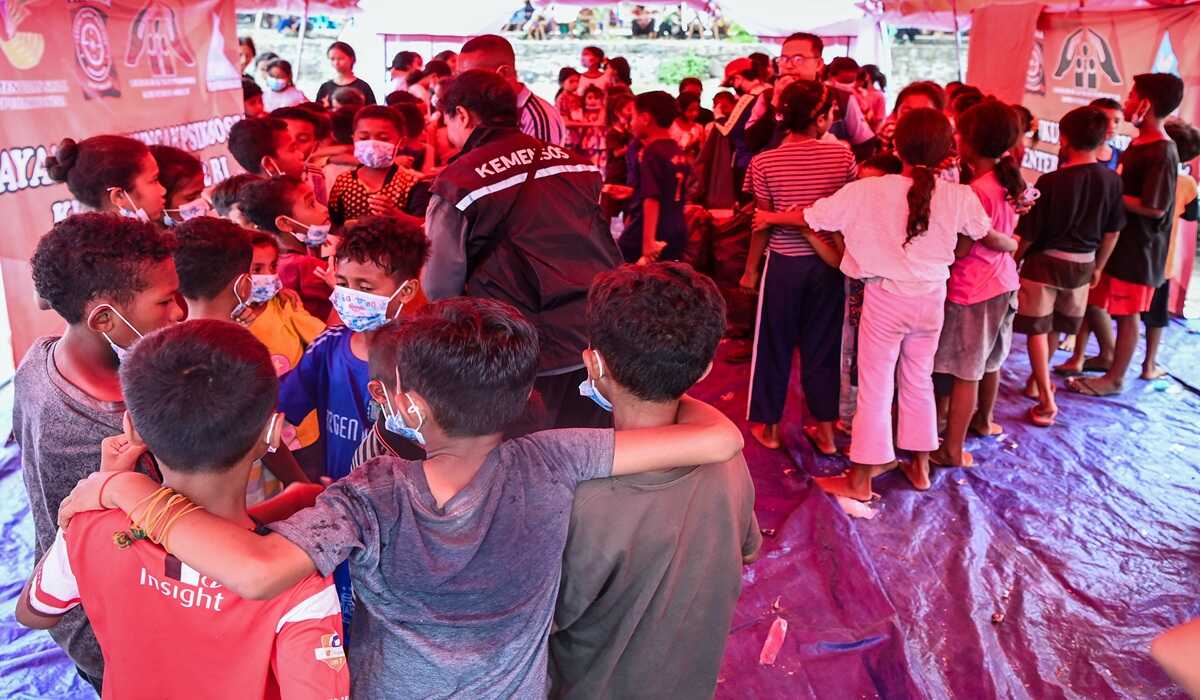
The recent floods in Aceh Tamiang have presented challenges not only physically but also in terms of mental health, particularly for children. Clinical psychologist Anna Aulia stresses the importance of psychological intervention through play therapy and art therapy to help children recover emotionally after the disaster. According to Anna, children are the most vulnerable group during disasters because they generally lack the ability to express their emotions verbally. “Children rarely say they are traumatized or sad, but it can be seen from their behavior and the drawings they create,” said Anna. In art therapy sessions, children are given the freedom to express themselves on paper. Through drawings, children often reflect on the traumatic experiences they have had, from the flood situation to the evacuation tents and the tense atmosphere. These drawings then become an entry point for psychologists to understand the hidden emotions of the children. Anna, who is also a volunteer health worker from the Ministry of Health, believes that the art approach is very effective because it is easy to implement and does not require complicated tools. “This approach also helps children channel their emotions without the pressure to tell their stories directly,” she added. In addition to art therapy, volunteers also provide psychosocial services through play and movement activities. This effort aims to rebuild a sense of security and restore the social connections of children. This is very important because trauma that is not properly addressed can affect children’s emotions and concentration in the long term. “Children can become more easily angry, often cry, and have difficulty focusing on learning,” explained the psychologist, who also works at the Women’s Empowerment and Child Protection Agency in Bogor. However, Anna emphasizes that recovering from trauma in children is not an instant process. The role of the environment and family is a key factor in helping children return to their normal daily activities. “The most important thing is that children feel safe and not alone,” she stressed. This support program is part of the Indonesian Ministry of Health’s efforts to strengthen health services after disasters in Aceh. Through the deployment of health workers, the government is committed to ensuring that health services continue, including providing comprehensive mental health support for communities affected by disasters.