
Restaurant Payment Ethics: Should You Pay in Advance to Avoid Theft Allegations?
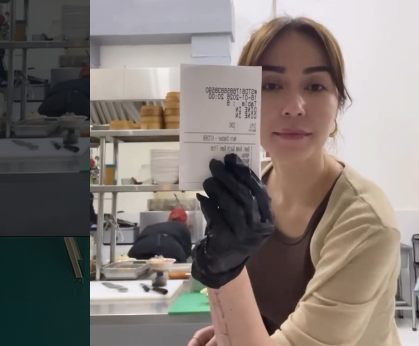
In the digital era of 2026, a minor misunderstanding at the dining table can escalate into serious legal trouble. The viral case involving Bibi Kelinci kopitiam and its customer serves as a stark reminder that payment procedures are not merely administrative matters but rather protective safeguards for both consumers and business owners.
Many customers often ask: “Should I pay immediately before eating, or wait for the bill?” The answer largely depends on the system implemented by the restaurant. However, understanding the correct etiquette and procedures can protect you from theft allegations and other legal risks.
The culinary industry generally recognises two main systems with different characteristics for consumers:
Pay-per-order systems require customers to pay each time they order a menu item. This is typically applied in cafés, fast-food restaurants, or modern kopitiam establishments. The advantage is that you have no debt after eating and can leave at any time. Always keep the receipt or digital transfer proof until you have completely left the location.
In the bill-at-the-end system, customers order first, enjoy their meals, and pay the total bill at the end before leaving. The risk involves potentially forgetting to pay or discrepancies between the number of dishes served and those charged. Ensure you confirm with the server before leaving the table.
Leaving a location without paying after consuming a service can be categorised as theft. However, on the other hand, restaurant owners must also be cautious about publishing CCTV recordings of customers on social media.
Under Article 36 of the new Criminal Code and provisions of the Information Technology Law, disseminating content that makes accusations without proper legal process can backfire on the business owner as defamation. Therefore, restorative justice mechanisms are now being prioritised to resolve conflicts between customers and business owners.
Paying for food immediately at the beginning or as soon as the order is complete is the safest step to avoid all forms of slander and misunderstanding. Consumer integrity and business professional standards are the key to creating a healthy culinary ecosystem.
Regarding frequently asked questions: legally, publishing video to social media without censoring risks violating the Information Technology Law regarding defamation, despite suspicions of theft. If you genuinely forget to pay, immediately contact the restaurant, explain the situation honestly, and make payment as soon as possible to prevent escalation to legal proceedings. Restorative justice is a mechanism for resolving cases outside court that prioritises mediation and reconciliation between the complainant and the accused.
The case highlighted broader reflections from officials and parties involved. According to one statement, the momentum of the holy month of Ramadan supported both parties’ desire to forgive each other and conduct self-reflection, indicating the incident was more complex than the video clip circulating on social media suggested. The Bibi Kelinci kopitiam owner in Kemang, South Jakarta, Nabilah O’Brien, deemed her designation as a suspect by the Criminal Investigation Body as highly unusual.