
Residents Near Sempidi TPS3R Complain of Overpowering Odour, Management Responds
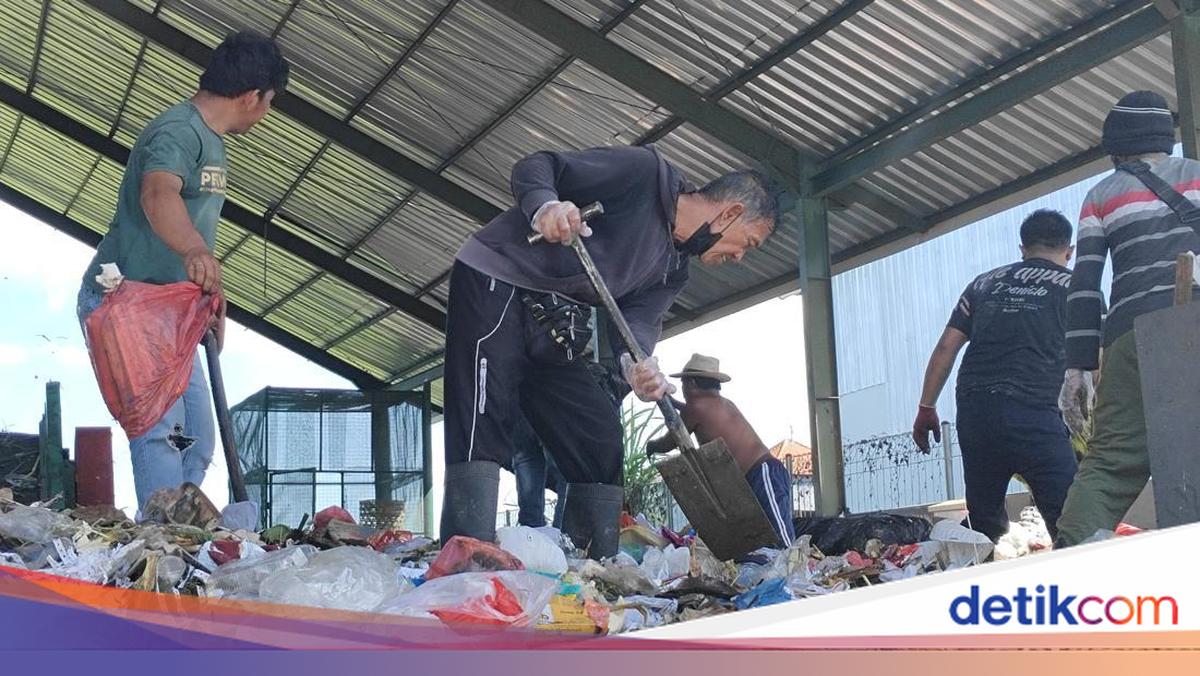
Residents around the Reduce-Reuse-Recycle Waste Processing Site (TPS3R) owned by Sempidi Customary Village, Mengwi Subdistrict, Badung, Bali, have been complaining about a strong unpleasant odour for the past few days. Several protest videos showing the site’s conditions have gone viral on social media.
Residents suspect that piles of waste inside the TPS3R Sempidi area are the cause of the unpleasant smell. They regret this situation, especially since the Badung Regency Government (Pemkab) previously guaranteed that the facility would not cause environmental impacts.
“This is different from the previous Regent’s promise, before the TPS was built,” said one resident who requested anonymity, on Saturday (11/4/2026).
The manager of TPS3R Sempidi from vendor Hejoteck, Rina A Soma, has spoken out regarding the residents’ protests. She mentioned there is a miscommunication and suspects provocation within the community. Rina also denied the narrative about the odour and waste burning activities at the TPS.
“The issues exist, there are reports like that, saying there’s burning here, but there isn’t at all. However, we apologise if there are any shortcomings; we will improve together,” said Rina.
Rina acknowledged that the operation of TPS3R Sempidi as of 1 April 2026 is a challenging transitional period because supporting facilities and infrastructure are not yet 100% installed. She requested an adjustment period of three months ahead until all supporting machines are ready to operate in the hangar.
“Actually, if we’re said to be ready to eradicate waste here, saying we’re ready now is actually not true. We need time, ideally three months ahead because then all machines will be complete here,” said Rina.
Hejoteck’s Operational Manager, Peter Noordiansah, explained that the waste piles reaching 8 tonnes per day are due to residents’ warehouse clean-ups and leftover waste that should have been managed by the previous TPS3R vendor. Peter emphasised that this volume is far above the normal daily capacity of waste from Sempidi Customary Village and Kwanji Customary Village, which usually ranges from 4-5 tonnes.
“Now we are accommodating all waste because after I examined it, most of the waste here can be processed for recycling. It’s proven now that what’s coming out isn’t daily household waste, but residents’ warehouse waste like a sack of shoes, washing machines, even mattresses we’ve found,” said Peter.
Peter stressed that the management has routinely sprayed special liquids to prevent odours from unprocessed waste. On the other hand, the TPS management is currently preparing the installation of complete machines, from organic shredders, glass crushers, to drying machines (rotary dryer).
The use of this technology is claimed to have permits and emission tests from the Ministry of Environment and Forestry (KLHK). According to him, the use of these machines is to ensure that waste is completely processed without leaving residues.
“Our goal here is that waste must be clean on site, finished on site. So we won’t dispose of waste outside, including residues, with the machines we’re preparing and still processing,” Peter asserted.
Peter then clarified that the piles visible in the hangar are waste that has already been sorted between organic, non-organic, and residues waiting in queue to be processed using machines. He denied that the packaged and piled waste was intentionally left.
“If all the equipment is complete, all supporting tools are there, production tools are there, this won’t take a month. Even two weeks won’t, one week and it’s done, and waste that comes will be finished that day,” he asserted.
Currently, the management together with the customary village and Sempidi Ward are continuously encouraging residents to be disciplined in sorting waste to speed up the workflow of officers. The waste transportation system will also start being scheduled on a rotational basis between organic waste, non-organic, and residues.
“One day organic, one day non-organic, one day residues, then back again like that. Because this is to force residents to sort their waste from their respective homes, and we here can process it quickly and focused,” Peter concluded.