
Researchers Warn Kidney Cancer Cases Could Double Within 25 Years
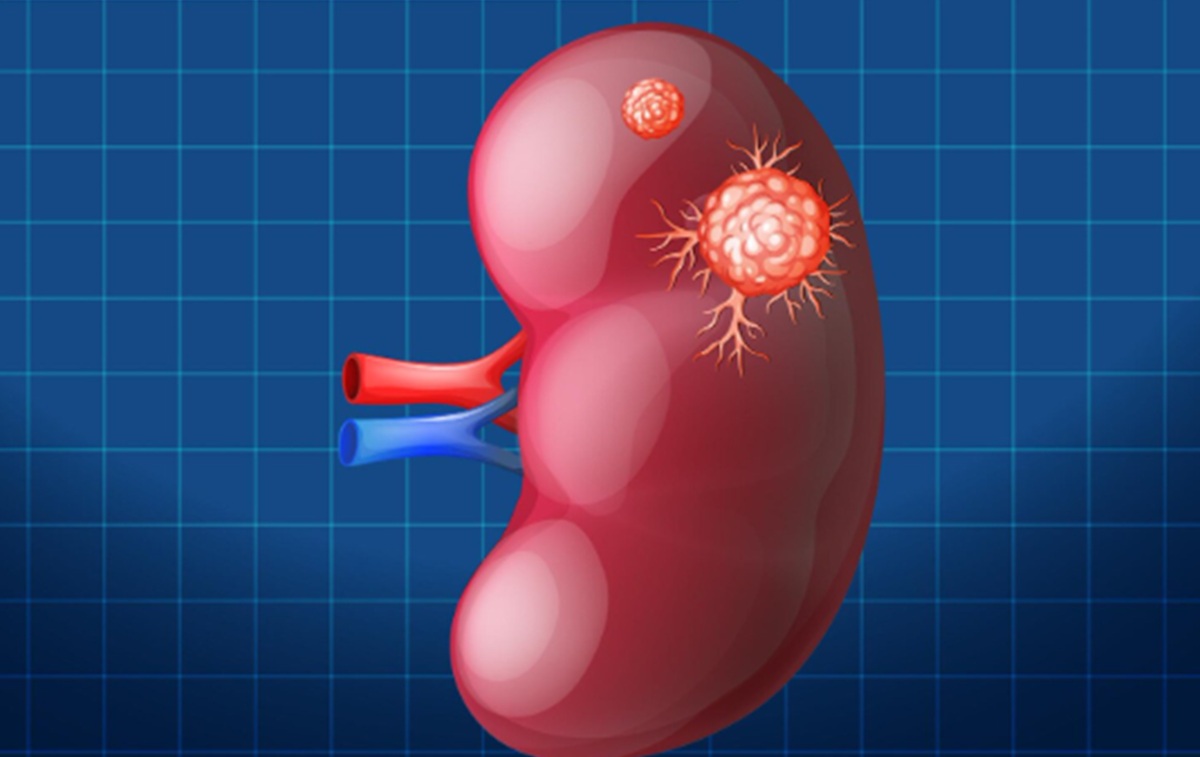
Researchers from Fox Chase Cancer Center, as part of an international research team, estimate that the number of kidney cancer cases worldwide could double within 25 years.
In 2022 alone, nearly 435,000 new kidney cancer cases and approximately 156,000 deaths were recorded globally. If current trends continue, this figure could potentially double by 2050.
“Kidney cancer is a growing global health problem. Both medical professionals and policymakers need to prepare themselves for this surge in cases,” said Alexander Kutikov, Head of the Department of Urology at Fox Chase Cancer Center, quoted on Tuesday (10 March).
The study, titled “Epidemiology of Renal Cancer: Incidence, Mortality, Survival, Genetic Predisposition, and Risk Factors,” also revealed that the five-year survival rate for kidney cancer patients ranges between 40% and 75%, depending on the region and access to healthcare services.
Regions with higher economic levels tend to have better survival rates due to early detection through routine imaging examinations and broader access to surgery, systemic therapy, and radiotherapy.
The research also highlighted several factors believed to contribute to the rising incidence of kidney cancer worldwide. Approximately 5-8% of kidney cancer cases are estimated to be hereditary or run in families, often associated with mutations in specific genes.
For this reason, genetic testing is recommended for individuals diagnosed with kidney cancer at a young age, patients with cancer in both kidneys, or those with a family history of the disease.
Beyond genetic factors, more than half of kidney cancer cases worldwide are associated with preventable risk factors. These factors include obesity, diabetes, hypertension, chronic kidney disease, smoking habits, certain environmental exposures, and lack of physical activity.
“Lifestyle changes such as weight management, blood pressure and blood sugar control, and especially quitting smoking, can significantly reduce risk,” Kutikov said.
“This is a prevention strategy that can make a real difference.”