
Researchers Transform Sand into Giant "Battery" to Store Renewable Energy
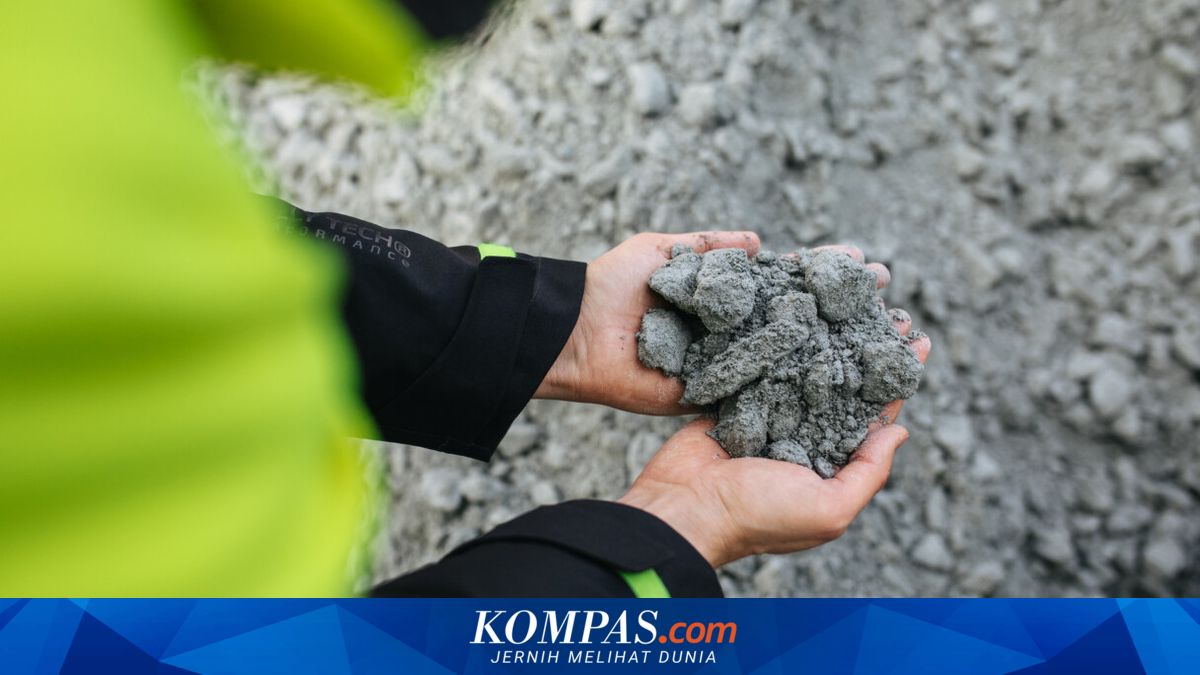
For decades, the term “battery” has been associated with materials such as lithium or nickel used to store electricity in mobile phones, laptops, and electric vehicles. However, engineers in Finland are attempting a different approach. They have created a “sand battery”.
Despite the name, this system is not actually an electrical battery like those found in electronic devices. A sand battery is a thermal energy storage system — a method of storing energy in the form of heat that utilises sand or crushed rock as the heat storage medium.
This technology has been developed by Finnish energy company Polar Night Energy and is already operating in the small city of Pornainen in southern Finland.
In Pornainen, the battery contains approximately 2,000 tonnes of crushed soapstone, a material sourced from waste produced by Finland’s fireplace manufacturing industry. The rock is stored in a silo — a large steel cylinder — measuring approximately 13 metres in height and 15 metres in diameter.
Electricity, usually derived from renewable energy sources such as wind and solar power, is then used to heat the sand or rock through a system of heat-conducting pipes. The material inside the silo is heated to very high temperatures, reaching approximately 400 degrees Celsius.
This heat is stored within the silo, which is lined with thick insulation to prevent heat loss. When energy is needed, cold air is circulated through pipes inside the silo to extract the stored heat.
This heat is then used to generate hot water, steam, or warm air. The thermal energy is utilised to warm homes and buildings through a district heating system — a centralised heating network commonly used in Scandinavian countries.
The sand battery in Pornainen is currently the largest in the world. The system can store up to 1,000 megawatt-hours (MWh) of thermal energy, sufficient to meet the city’s heating requirements for approximately one week during winter.
This technology is expected to help Pornainen significantly reduce carbon emissions. Previously, the city’s heating system relied on oil and wood chip combustion.