
Researcher warns of health risks from chemical spill in Cisadane River
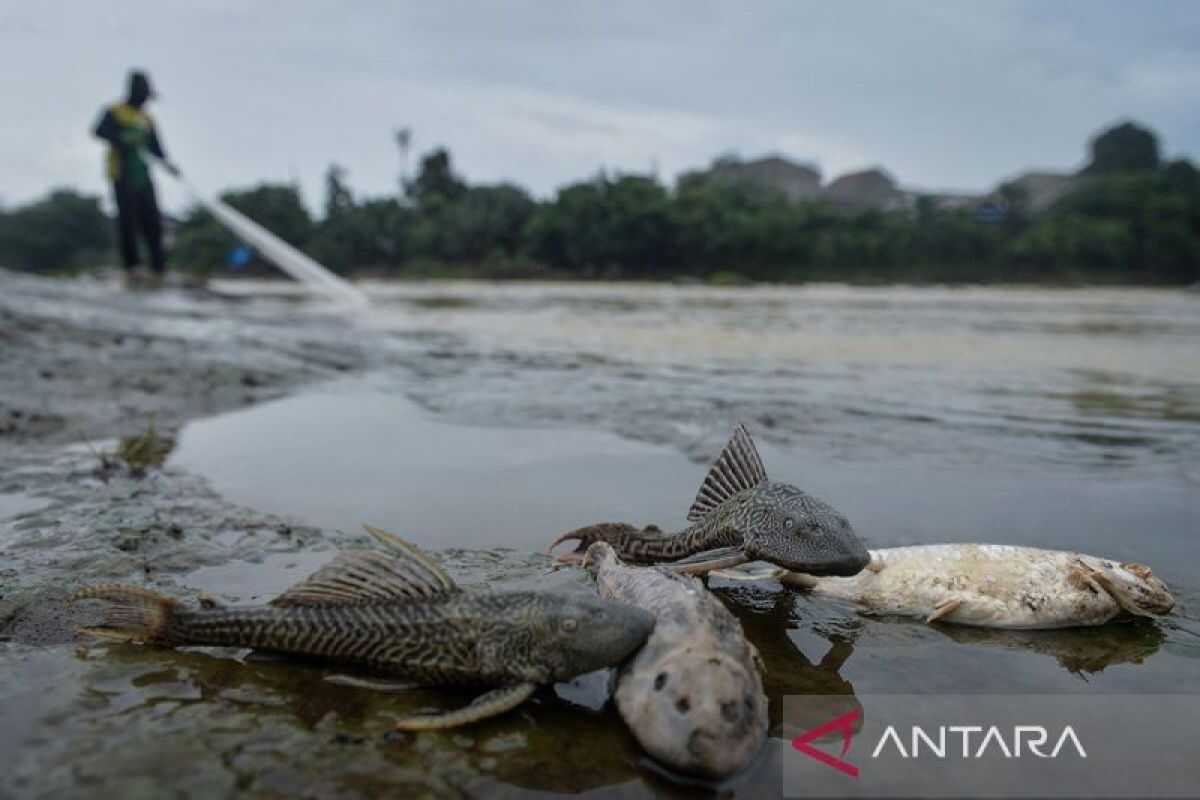
Jakarta (ANTARA) - An Indonesian researcher has warned that pollution in the Cisadane River, following a chemical spill could pose long-term health risks due to potential bioaccumulation of hazardous substances. Ignasius Sutapa of the Limnology and Water Resources Research Center at the National Research and Innovation Agency (BRIN) said the incident could trigger bioaccumulation and biomagnification. Pesticide residues or their metabolites may accumulate in aquatic organisms and move up the food chain to higher-level predators, including humans who consume contaminated fish. “This risk indicates that the pollution may not only have short-term impacts but also the potential to cause chronic health effects,” he said in a statement on Sunday. He explained that contaminants can settle in riverbed sediments and become a source of secondary toxic release over time. Even if the surface water appears clear, hazardous compounds may persist in sediment deposits and be remobilized into the water column under certain conditions, he added. From a public health perspective, pesticide exposure can occur through direct contact, such as bathing and washing, or indirectly through the consumption of contaminated raw water or fish. Sutapa noted that certain pesticides, particularly neurotoxic types, may cause acute symptoms such as nausea, dizziness, nervous system disorders, and even death, depending on the level of exposure. “In the long term, chronic exposure may lead to endocrine disruption, organ damage, and potential carcinogenic effects,” he pointed out. As short-term mitigation measures, he recommended temporarily closing raw water intake facilities operated by regional water utilities (PDAM) in affected areas. He also called for intensified real-time water quality monitoring and urged the public not to use river water until it is declared safe. Remediation efforts will be necessary if the source of pollution is confirmed, he added. Sutapa stressed the need for long-term strategies, including stronger supervision and law enforcement against hazardous and toxic waste polluters. He also highlighted the importance of developing early warning systems based on online water quality sensors and diversifying raw water sources to strengthen water security during crises. In addition, river ecosystem restoration through riparian zone rehabilitation is needed to enhance the river’s natural capacity to filter pollutants. “The public should remain vigilant and follow official instructions. Do not use river water for cooking, drinking, washing, or bathing until it is declared safe. Avoid consuming fish from affected areas during this period,” he said.