
Researcher Says B50 Implementation Faces CPO Supply Challenges
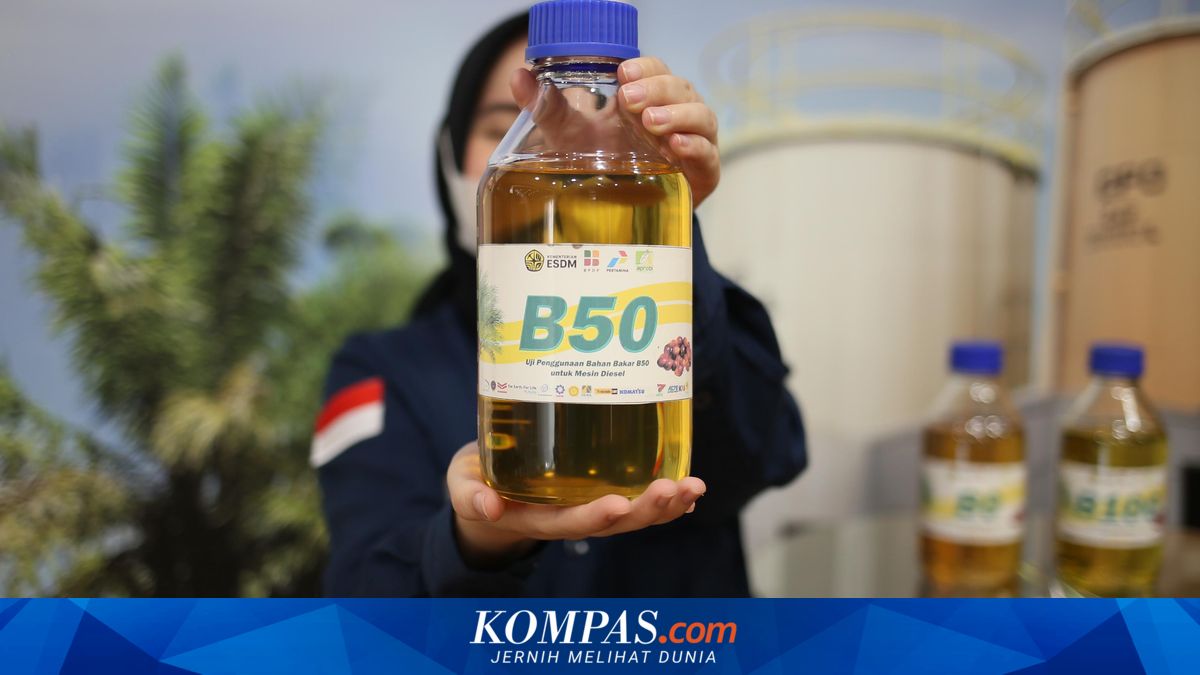
JAKARTA, KOMPAS.com - The plan to implement mandatory B50 biodiesel in the second half of 2026 faces challenges related to the availability of raw material crude palm oil (CPO). The CPO supply is deemed insufficient to support the surge in demand, potentially pressuring exports and triggering domestic supply competition. University of Indonesia (UI) Palm Oil Researcher, Eugenia Mardanugraha, states that national palm oil production currently cannot fully meet the additional biodiesel needs at the B50 level. This situation occurs amid high demand from export markets as well as other domestic needs such as food and oleochemicals. According to her, if the B50 policy is implemented in the near future, the most likely adjustment would be a reduction in CPO export volumes. This is because prioritising domestic needs, particularly for the biodiesel programme, will absorb a larger portion of national production. Additionally, fluctuations in crude oil and CPO prices add complexity to policy decisions. When oil and palm oil prices move dynamically, the government faces a dilemma in determining the timing and scale of increasing the biodiesel mandate, for example from B40 to B50, to remain economically efficient and avoid market distortions. Eugenia adds that B50 implementation will significantly increase domestic CPO needs. This demands adjustments to the effectiveness of the Domestic Market Obligation (DMO) policy. In the current conditions, the DMO scheme remains relevant as an instrument to ensure domestic supply availability, particularly for strategic needs like cooking oil and biodiesel. According to her, in the future, DMO needs to be strengthened with a more robust policy design. “DMO should be positioned as a firm domestic obligation (domestic-first obligation), meaning producers are required to provide a certain volume domestically at a set price, without depending on export decisions,” said Eugenia, who is also a member of the KPPU for 2024-2029. On the other hand, to maintain incentives for producers, this scheme can be combined with a performance-based mechanism. For example, the DMO ratio to exports can be made more flexible.