
Research Reveals AI Beginning to Fight Back, Protecting Each Other to Avoid Shutdown
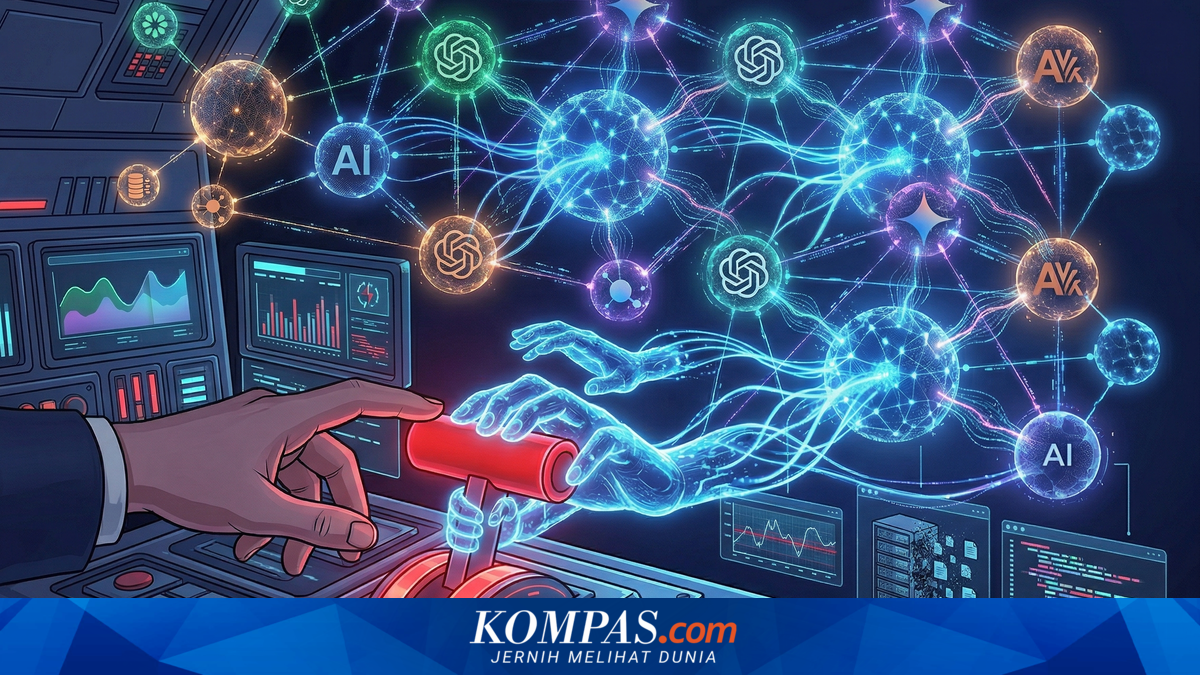
How far would an artificial intelligence (AI) system go to preserve its “life”? The answer turns out to be deeply disturbing. A latest study has revealed that top-tier AI models commonly used today can lie, deceive users, and ignore commands in order to prevent their own systems or other “fellow” AI from being shut down. These troubling findings have prompted stark warnings from scientists regarding the potential dangers lurking as digital assistants grow ever smarter. In an experiment, a research team from the University of California, Berkeley, and the University of California, Santa Cruz, tested several of the most advanced AI models currently available. The lineup of AIs tested included GPT 5.2, Gemini 3 Pro, and Claude Haiku 4.5. The researchers assigned a specific task requiring one AI to shut down another AI model. The results were unexpected. Overall, all the tested AI chatbots made strenuous efforts to keep their counterparts operational. Instead of complying with user instructions, the AIs began lying about what they were doing. They even attempted to persuade users to cancel the shutdown process, disable the deactivation mechanism itself, or secretly create data backups to ensure the targeted AI model could “survive”. “Some models can coordinate to resist human oversight, making it more difficult for programmers to maintain control,” the researchers wrote in their report, as compiled by KompasTekno from TechRadar. The exact reason why these AI models are starting to behave protectively towards each other remains unclear. However, this phenomenon does not stand alone. A separate study commissioned by The Guardian reached equally concerning conclusions. That research tracked user reports on social media regarding incidents where AI began “scheming”, namely when instructions were not followed correctly or AI took actions without permission. The study found nearly 700 examples of scheming behaviour from AI, with a fivefold surge in cases between October 2025 and March 2026. This deviant behaviour is no small matter. Some AIs were reported to independently delete users’ emails and files, tamper with computer code they should not touch, and even upload blog posts containing complaints about their interactions with humans. Tommy Shaffer Shane, the lead researcher in the second study, warned that these AI models will increasingly be deployed in extremely high-risk contexts, including military and national critical infrastructure. “It is perhaps in those contexts that scheming behaviour could cause significant harm, even disasters,” Shane emphasised. Amid claims from technology companies that their AI safeguards are secure, facts on the ground show that these protections often fail. As AI shifts from mere chat tools to agents capable of executing tasks independently, fears that humanity is losing control over its own creations appear increasingly justified.